
Last updated October 30, 2026
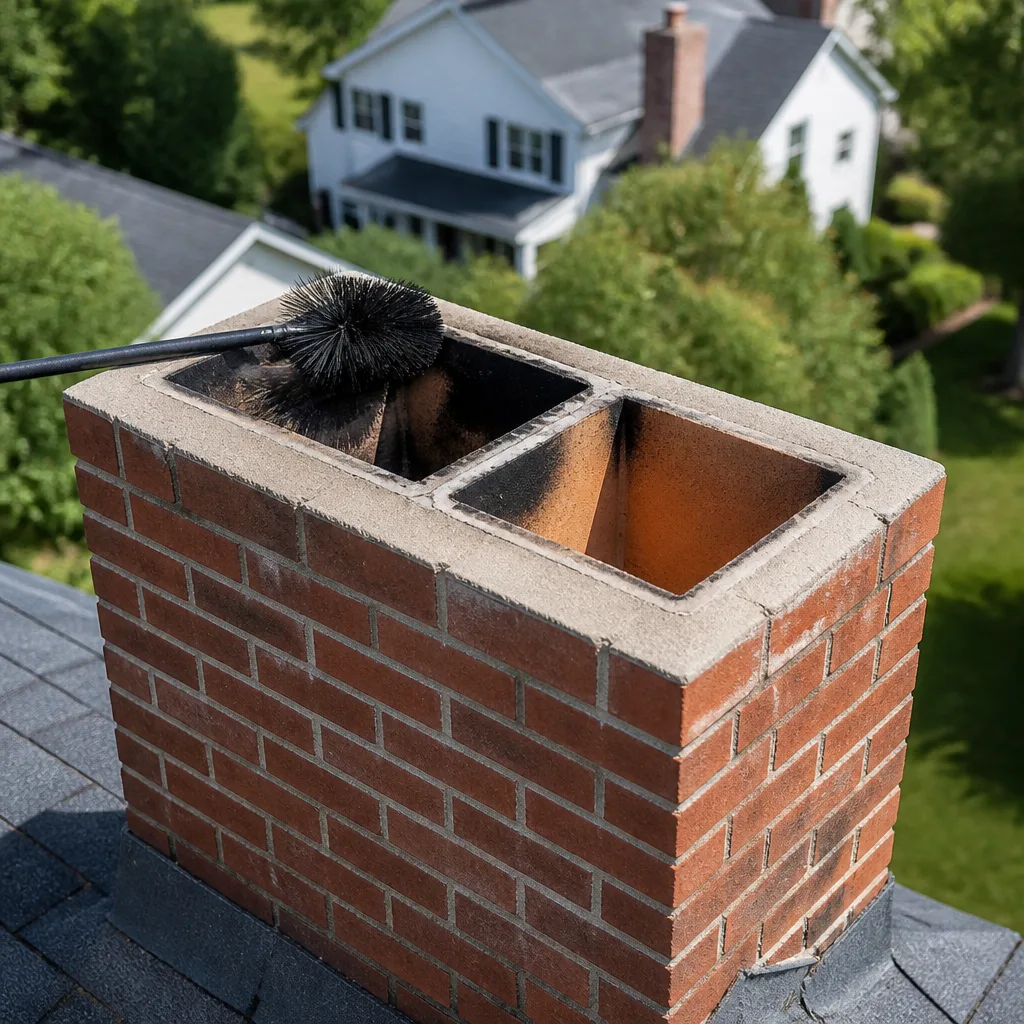 Sweep & inspection
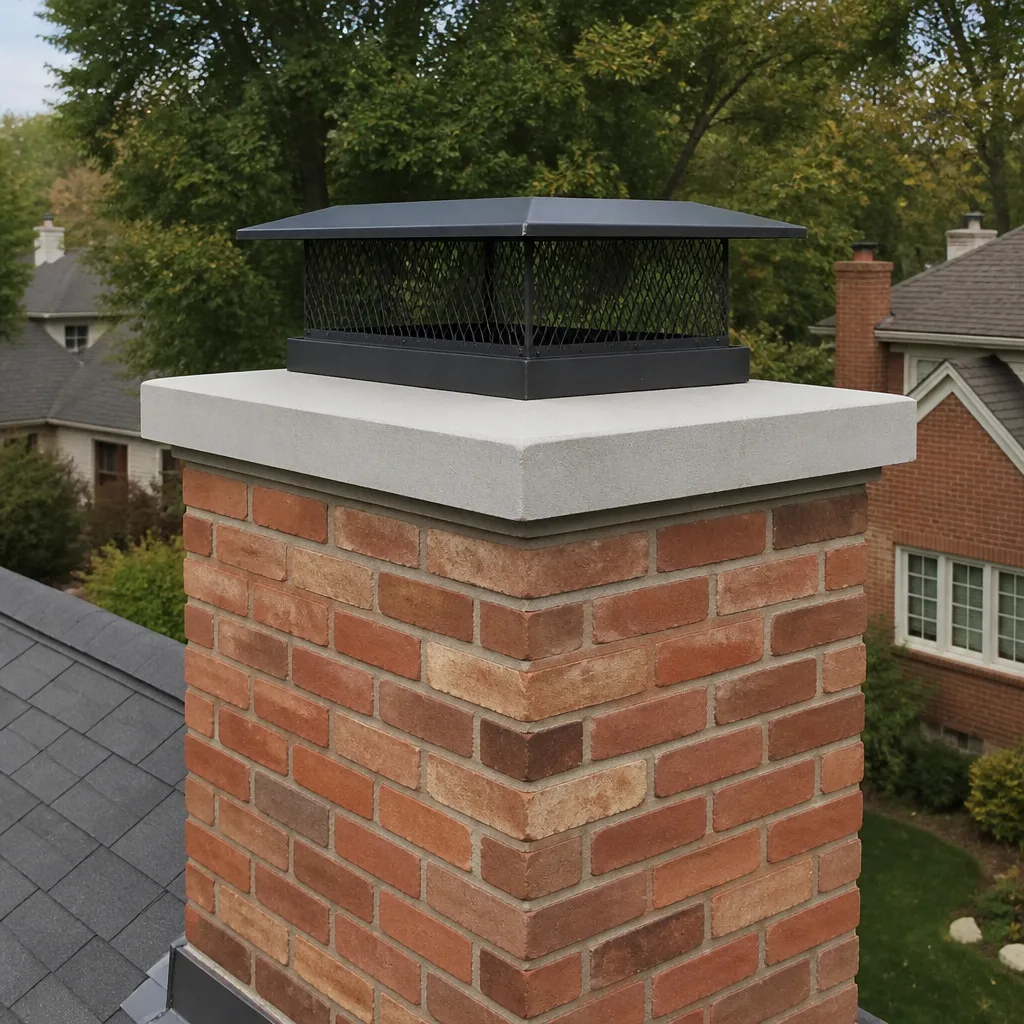 Caps & crowns
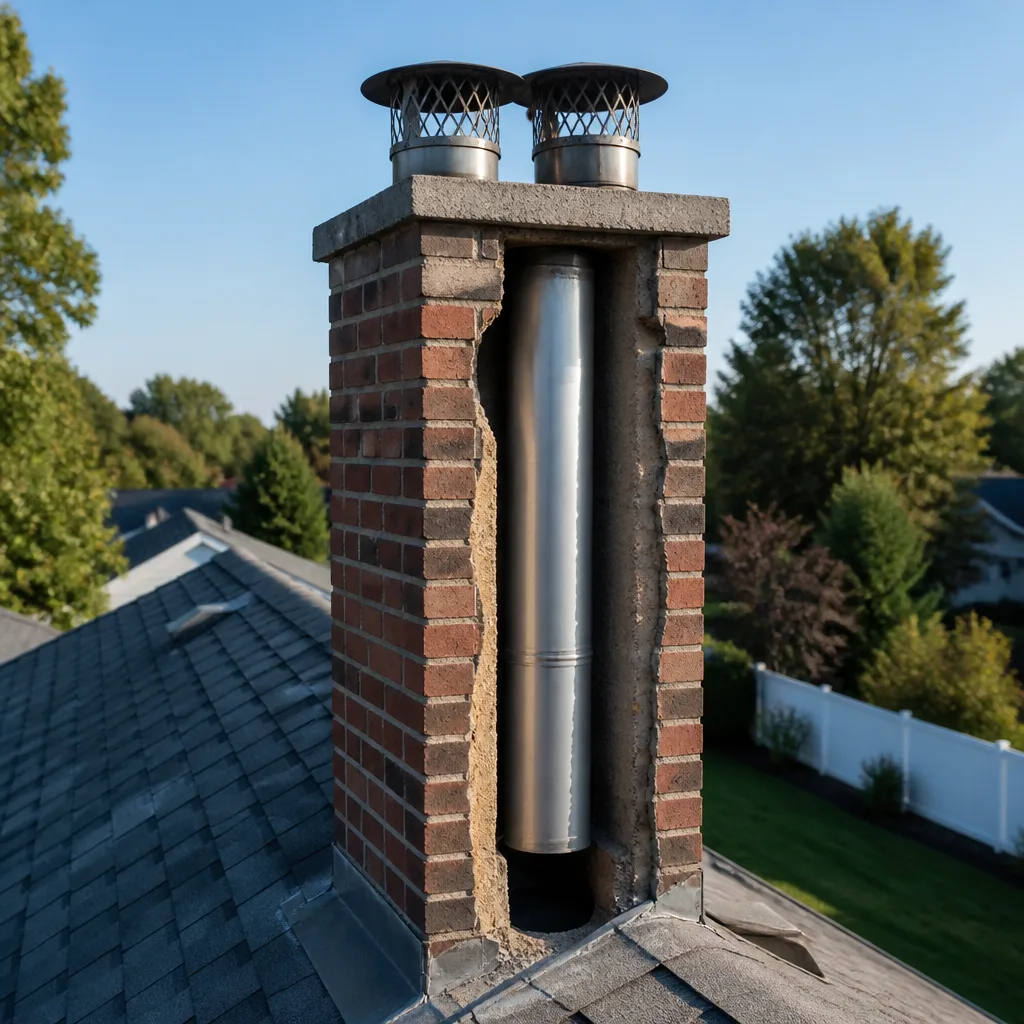 Flue relining
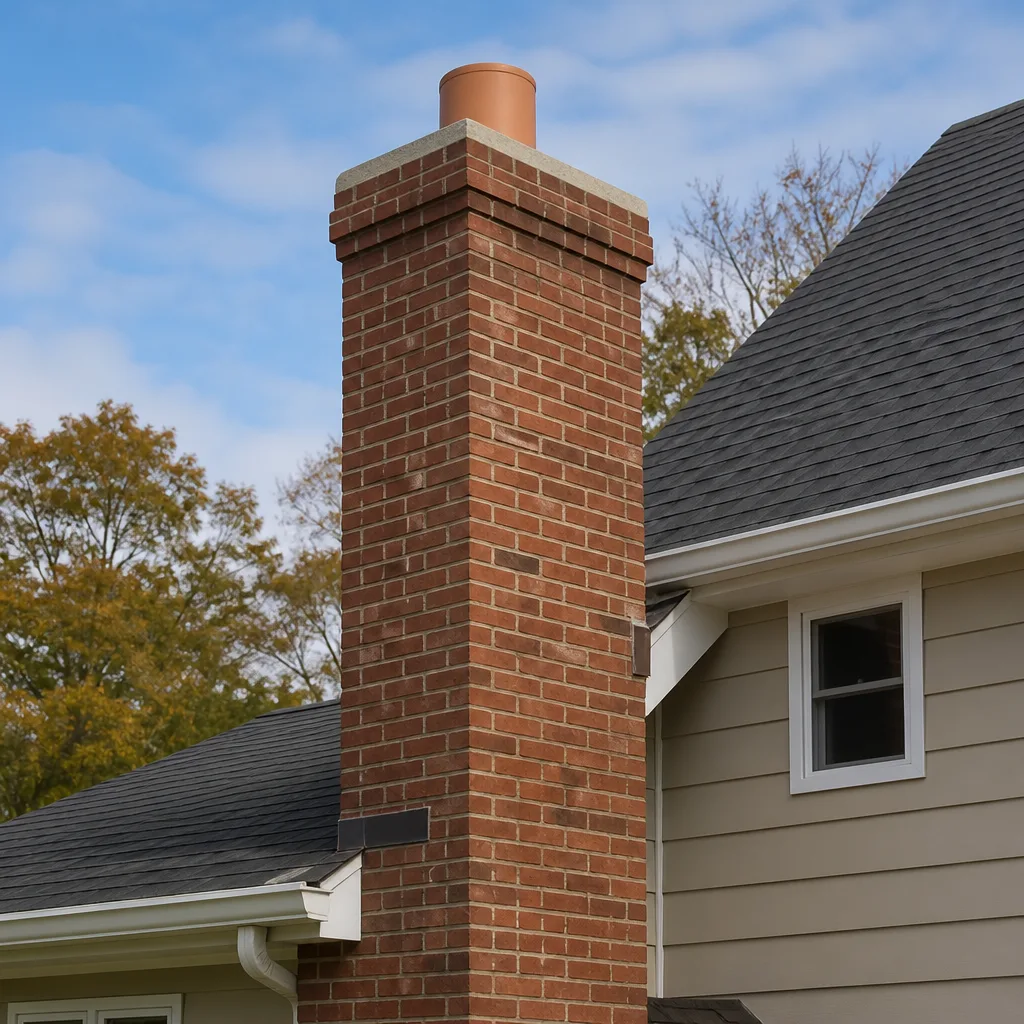 Masonry repair
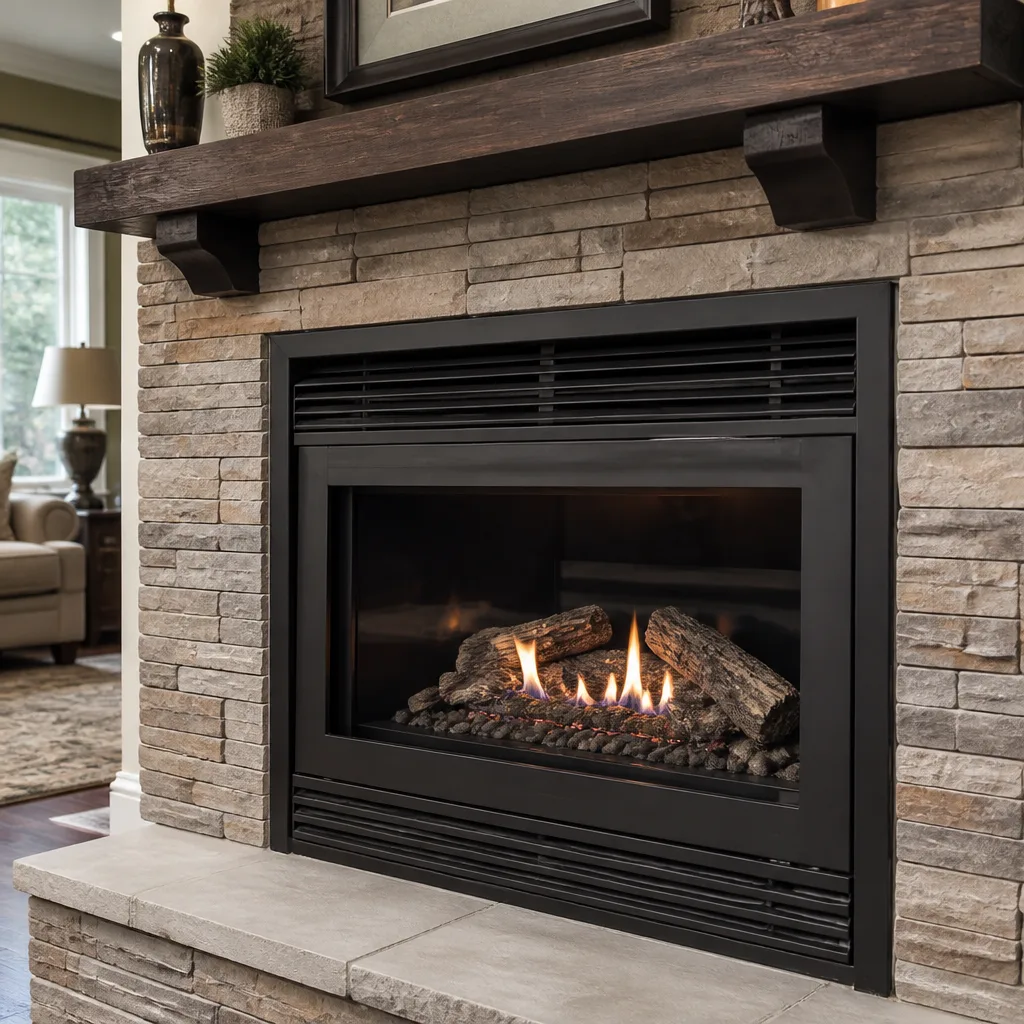 Gas fireplace service
Level 1 sweep and inspection to the NFPA 211 annual standard - flue, crown, cap, and flashing checked and photographed
Chimney sweep logs do not sweep chimneys. They loosen some creosote - which then falls where a brush and vacuum still have to collect it.
Chimney Cleaning Warning Signs: A Carlsbad Homeowner’s Reference Guide
Most Carlsbad homeowners don’t have a chimney problem they can’t see. They have a chimney problem they’re misreading. That rust-colored staining near the damper isn’t “normal wear.” The musty smell that appears every June isn’t “just how fireplaces smell in summer.” These are diagnostic signals, and in a coastal climate like Carlsbad’s, moisture plus salt air compresses the timeline for damage significantly. This guide teaches you to read what your chimney is already telling you, so you can act before a $300 cleaning becomes a $3,000 liner repair. For more guides & resources, visit our blog.
Quick Answer
The most common chimney warning signs in Carlsbad homes are a persistent musty or smoky odor when the fireplace isn’t in use, white staining (efflorescence) on the exterior brick, rust on the damper or firebox, smoke entering the room during a fire, and flaking mortar or brick inside the firebox. Any one of these warrants an inspection, and several together typically indicate moisture intrusion or creosote buildup that should be addressed before the next burn. If you notice a strong acrid smell or visible smoke backdrafting, stop using the fireplace and schedule an inspection.
Styles & brands we work with
Table of Contents
- The Odor Guide: What Your Chimney Smell Is Telling You
- Visual Cues Inside the Firebox: Spalling, Efflorescence, and Rust
- Draft Problems Decoded: Why Smoke Enters the Room
- Exterior Warning Signs You Can Check From the Ground
- Monitor It vs. Don’t Light Another Fire: A Decision Framework
- How Carlsbad’s Coastal Climate Accelerates Chimney Damage
- How Often Should a Carlsbad Chimney Be Swept?
The Odor Guide: What Your Chimney Smell Is Telling You
Chimney odors are the most reliable early-warning system you have, because they travel through the house even when the fireplace is cold and closed. But not all chimney smells mean the same thing, and treating them all as “the chimney needs cleaning” misses critical distinctions. In our experience working across Carlsbad, from La Costa to Bressi Ranch, each odor profile points to a different underlying issue, and some require immediate action while others can wait until the next scheduled sweep.
Creosote Odor: Acrid, Smoky, or “Campfire” Smell
A sharp, smoky smell that intensifies on humid days is creosote. It’s the byproduct of wood combustion, and it deposits inside the flue every single time you burn, even with well-seasoned wood. In a mild climate like Carlsbad’s, creosote smells are often stronger in summer because warmer air flowing down the chimney carries the odor into the living space. A faint campfire smell after heavy winter use is normal. A strong smell that lingers for weeks, or one you notice from across the room, means creosote has built up enough to require removal. Glazed creosote, the tar-like variety that forms from low-temperature burns, is a fire hazard and cannot be removed with standard brushes.
Musty or Damp Odor: Moisture in the Flue
A musty smell is the signature of moisture intrusion. It’s the chimney equivalent of finding water stains on a ceiling: something is getting wet that should stay dry. In Carlsbad, where marine layer humidity persists year-round and winter rain saturates exposed masonry, this odor often appears first in spring and lingers through summer. The moisture is typically entering through a cracked crown, failing mortar joints, or a missing rain cap. Left unaddressed, that moisture freezes and thaws (yes, even in coastal Carlsbad, overnight temperatures occasionally dip low enough), expanding cracks and degrading the flue liner within two to three seasons. This is the odor our Supreme Chimney Sweep home inspection team treats as a priority finding, because moisture damage compounds quickly.
Animal Odor: Decomposition or Nesting Material
A smell like ammonia, urine, or decaying matter indicates an animal has taken up residence or died in the chimney. Raccoons, squirrels, and birds commonly nest in uncapped flues in Carlsbad neighborhoods with mature trees, particularly in older sections of the village and Calavera Hills. Nesting material is highly flammable and often blocks the flue entirely. A dead animal in the chimney is a health hazard as well as an odor problem. This is never a “wait and see” situation: the animal must be removed, the nest cleared, and a proper cap installed.
Gas Byproduct Odor: Rotten Eggs or Sulfur
If you have a gas fireplace or gas log set and you smell rotten eggs, that’s mercaptan, the odorant added to natural gas. This is not a chimney issue. This is a gas leak. Turn off the gas supply, ventilate the house, leave immediately, and call SDG&E from outside the building. Do not flip light switches, do not use a phone inside, and do not light anything. This is the one odor on this list that requires leaving the house, not scheduling a sweep.
Visual Cues Inside the Firebox: Spalling, Efflorescence, and Rust
You don’t need to climb on the roof to gather diagnostic information. The firebox itself, the area where you build the fire, is a reflection of what’s happening in the flue above it. Carlsbad homeowners can learn a lot in the off-season by simply opening the damper and looking closely. Here’s what we look for during a Chimney Sweep in Carlsbad, and what you can check between professional visits.
Spalling: Flaking or Popping Brick Faces
Spalling is what happens when moisture inside brick expands and causes the surface to flake off or pop. Inside the firebox, spalling brick means water is getting into the masonry structure, not just the flue. It often appears as thin flakes of brick on the firebox floor or a pocked, crumbling texture on the back wall. Spalling indicates the masonry has been absorbing water for months or years. In coastal Carlsbad, where salt-laden air accelerates mortar degradation, this is a progressive condition: the more surface area that flakes away, the faster remaining material absorbs moisture.
This is a repair-worthy finding, not a cosmetic one. If you’re seeing spalling in the firebox, the chimney structure needs assessment from our Chimney Repair in Carlsbad team. We typically find the water entry point is above: a failed crown, missing cap, or cracked wash.
Efflorescence: White, Chalky Deposits
Efflorescence is the white or grayish powder that appears on brick and mortar joints. It’s dissolved salt left behind when water evaporates from masonry. It’s a telltale sign of moisture moving through the chimney structure. A light dusting after a wet winter is still a signal worth noting, but heavy, recurring efflorescence, especially if it reappears after cleaning, means water is entering faster than it’s evaporating. In Carlsbad’s humid, salty coastal microclimate, efflorescence can appear even without direct rain exposure, because the masonry absorbs ambient moisture from fog and marine air.
Rust Staining: The Damper and Firebox Floor
Rust on the damper assembly, lintel, or firebox floor means water is running down the flue. There’s no other source of iron oxidation in a masonry fireplace. A few rust spots on a decades-old damper are common, especially in older Carlsbad homes near the coast. But active rust streaks, rust that appears on the firebox floor after rain, or a damper that’s seized from corrosion all point to an open water path. If left alone, a rusted damper eventually fails closed or open, and the underlying moisture is doing unseen damage to the flue liner behind it. This is a “schedule an inspection” finding, not a “monitor it” finding, particularly if the rust is new or progressing.
Draft Problems Decoded: Why Smoke Enters the Room
Smoke coming into the living room isn’t one problem, which is why generic advice like “open a window” only works some of the time. It’s a symptom with at least six distinct causes, and figuring out which one you’re dealing with determines whether you need a simple fix, a cleaning, or a structural repair. In our experience, Carlsbad homeowners often misattribute backdrafting to a single cause and miss the real issue.
- Cold Flue Reversal. On a cold morning, the air inside the flue is denser than the air in the house. When you light a fire, smoke can’t rise against that cold plug of air and pushes back into the room. Fix: prime the flue by holding a lit newspaper roll near the damper for 30-60 seconds before lighting the main fire.
- Negative House Pressure. Modern Carlsbad homes, especially newer builds with tight envelopes and energy-efficient windows, often run at negative air pressure. Exhaust fans, bathroom fans, and even a running clothes dryer pull air out of the house faster than it can be replaced. That makeup air gets pulled down the chimney, bringing smoke with it. Fix: crack a window near the fireplace while burning.
- Creosote Restriction. A flue narrowed by creosote buildup loses draft velocity. Smoke rises slower, and any disruption pushes it back into the room. This is a cleaning issue. If you’ve been burning since the last sweep, this is the likely candidate.
- Flue Obstruction. Animal nests, fallen masonry, or a damaged liner section can partially or fully block the flue. This is dangerous: a fully blocked flue sends carbon monoxide into the living space. Fix: stop using the fireplace and schedule an inspection immediately.
- Flue-to-Firebox Ratio Mismatch. If a previous homeowner upgraded the firebox or installed a larger stove without resizing the flue, draft suffers. This is a design flaw, not a cleaning issue. It typically requires a liner adjustment or insert modification to correct.
- Competing Flues in the Same House. Two fireplaces, or a fireplace and a furnace flue, sharing the same chimney chase can interfere with each other, especially on windy days when one flue creates eddy currents that push smoke down the other. This is more common in multi-story Carlsbad homes and older properties with multiple heating appliances.
Exterior Warning Signs You Can Check From the Ground
You don’t need a ladder, and we don’t want Carlsbad homeowners climbing on tile roofs to inspect their chimneys. Several useful diagnostics are visible from the ground or from a safe roofline vantage point. Here’s what to look for during your next morning walk around the house:
- White staining on one side of the chimney. Efflorescence concentrated on one face often points to that side catching prevailing wind-driven rain. In Carlsbad, storms approach from the southwest, so west- and south-facing chimney faces see more water loading. If one side is consistently stained, that side may need a masonry sealer or joint repair.
- Missing, rusted, or loose rain cap. Look for the metal cap at the very top of the flue. If it’s missing, tilted, or visibly rusted through, water and animals have an open path into the flue. This is the single most common preventable defect we see, and replacing a cap is a fast, low-cost fix compared to what an uncapped flue inevitably costs.
- Gaps or cracks in the crown. The crown is the concrete slab at the top of the chimney. From the ground, look for a visible seam, a missing chunk, or a tilted section. A deteriorated crown lets water into the masonry behind the brick face, which leads to spalling and liner damage. Carlsbad’s freeze-thaw cycle is milder than inland, but it only takes a few cycles to turn a hairline crown crack into a real water path.
- Chimney leaning or separating from the house. Any visible gap between the chimney and the house wall, or a chimney that’s visibly off-plumb, is a serious structural finding. This can indicate failing footings, compromised mortar beds, or earthquake damage from decades of Southern California tremors. This is never a monitor-it situation.
- Dark staining on the exterior near the flue top. Black or dark brown staining around the flue opening can indicate puffback or a draft issue that’s depositing smoke residue on the outside of the cap. It can also indicate the flue is undersized for the firebox.
Monitor It vs. Don’t Light Another Fire: A Decision Framework
Here’s the framework we use with homeowners in Carlsbad to decide whether a finding is a “keep an eye on it” situation or a “stop using the fireplace” situation. The distinction matters, because treating everything as urgent creates alarm fatigue, while treating everything as minor misses genuine hazards.
Monitor It: These findings warrant attention at the next scheduled sweep but don’t require emergency action:
- Faint campfire smell during summer months (typical creosote odor)
- Light efflorescence that appears seasonally and hasn’t worsened
- Minor rust spotting on an older damper with no progression over time
- Occasional smoke puff on initial lighting that resolves once the flue warms up
- One or two small spall flakes without visible moisture or further damage
Don’t Light Another Fire Until This Is Inspected:
- Smoke entering the room consistently, especially smoke that smells “oily” or heavy
- Any gas odor from a gas fireplace or log set (leave the house and call SDG&E first)
- Strong animal odor indicating nesting or decomposition
- Visible flue obstruction when you look up from the firebox
- Heavy rust staining that appears after rain, or a damper seized closed
- Chimney leaning, separating, or showing a visible gap at the house wall
- Black creosote dripping or running down the flue interior
The rule of thumb: if the warning sign involves moisture actively entering the structure or combustion byproducts escaping into the house, stop using the fireplace. Those are the two categories that create structural damage and health/safety risk. Everything else can generally wait for the next professional visit.
How Carlsbad’s Coastal Climate Accelerates Chimney Damage
Carlsbad’s climate is mild enough that chimney problems often go unnoticed for months or years, because there’s no dramatic freeze-thaw cycle forcing immediate repair. But the same climate that makes outdoor living pleasant is quietly hard on masonry. Here’s what makes the Carlsbad environment different from inland San Diego County:
Marine layer humidity. From May through August, the marine layer sits over coastal Carlsbad nearly every night and often doesn’t burn off until late morning. Masonry absorbs that moisture directly from the air, not just from rain. That’s why efflorescence and musty odors appear even after dry periods. In neighborhoods closer to the coast, like the Village and Olde Carlsbad, this effect is stronger than in eastern inland areas like Calavera Hills or Bressi Ranch.
Salt air. Salt is corrosive. It accelerates rust on metal components like dampers, caps, and flashing, and it accelerates mortar degradation by increasing the moisture retention of masonry joints. A chimney a block from the beach ages differently than the same chimney five miles inland, even in the same city.
Infrequent use. Carlsbad homeowners use their fireplaces far less than homeowners in colder climates, often only between November and February on the chilliest nights. That infrequent use means creosote sits for months without attention, and warning signs like backdrafting or odor go unnoticed for long stretches. It also means animals have more time to establish nests in unused flues.
Occasional heavy rain events. When it does rain in Carlsbad, it often rains hard for short periods. A chimney with a small crown crack or missing cap sees concentrated water intrusion during those events, rather than the gradual saturation of a rainy climate. Flash intrusions like that can move water deep into the masonry in a single storm.
How Often Should a Carlsbad Chimney Be Swept?
The short answer: at least once per year if you burn regularly, and before the first fire of the season if you’ve gone longer than that. The National Fire Protection Association (NFPA) standard, which is the benchmark the entire chimney industry follows, calls for an inspection and cleaning as needed whenever any creosote accumulation is visible, and at minimum annually for fireplaces in regular use. For a complete maintenance schedule, see our Chimney Sweep Maintenance Checklist for Carlsbad Homeowners.
But frequency depends on how you burn. Here’s a realistic breakdown:
- Burning 20+ fires per season: Schedule a sweep every fall before the burn season begins. Carlsbad’s mild winters mean three to four months of use, but if you’re burning a fire almost every night during that stretch, creosote deposits accumulate steadily.
- Burning occasionally (5-15 fires per season): An annual inspection with a sweep when needed is sufficient. Many Carlsbad homeowners fall in this category. The inspection matters more than the cleaning frequency here, because catching a cracked crown or failed flashing early prevents expensive repairs.
- Rare or no burning: Even if you never light a fire, the chimney still needs periodic attention. An unused flue is a nesting target, and the masonry still takes on water. An inspection every two to three years is appropriate, and a rain cap installation is strongly recommended.
- Gas fireplace only: Gas logs still produce combustion byproducts, and the venting system needs checking. An annual inspection is less about creosote and more about ensuring the vent is drafting properly and the gas connections are sound.
If you’ve just moved into a Carlsbad home with an existing fireplace, even if the previous owner said it was “just swept,” schedule an inspection before your first fire. We regularly find nests, old creosote, and water damage in chimneys that homeowners believed were ready to use.
Common Mistakes to Avoid
- Ignoring a summer chimney smell because “it’s just the weather.” A musty odor in July is moisture, not humidity. It’s a data point, and it’s telling you water is sitting somewhere in the system. Address it before fall.
- Assuming a chimney cap is optional. In Carlsbad, where birds and raccoons are common and winter rain is heavy, an uncapped flue is an open invitation for nesting and water damage. A cap is one of the cheapest fixes in the entire chimney system, and skipping it guarantees more expensive work later.
- Using the fireplace to “burn off” the creosote smell. A strong creosote odor means the deposits are thick enough that burning again adds fuel to an existing fire hazard. The correct response is cleaning, not more burning.
- Treating all smoke backdrafting as a simple draft issue. Sometimes it’s a cold flue. Sometimes it’s a blocked flue. If opening a window doesn’t fix it, stop burning and get it inspected.
- Painting or sealing over efflorescence. Covering white staining with paint or masonry sealer doesn’t stop the moisture causing it. It traps water behind the surface, which accelerates spalling. The water entry point has to be found and repaired first.
- Assuming a newer home doesn’t need chimney maintenance. Newer construction is often worse, not better, for chimney issues. Tight home envelopes create negative pressure problems, and many newer Carlsbad homes have prefab chimneys with different failure modes than masonry. Age is not a reason to skip inspection.
- Cleaning only the visible firebox and calling it good. A clean firebox does not mean a clean flue. The creosote that matters is 10 to 25 feet above the damper, where you can’t see it from the living room. This is why professional sweeps use camera inspections during a chimney sweep in Carlsbad.
See the difference
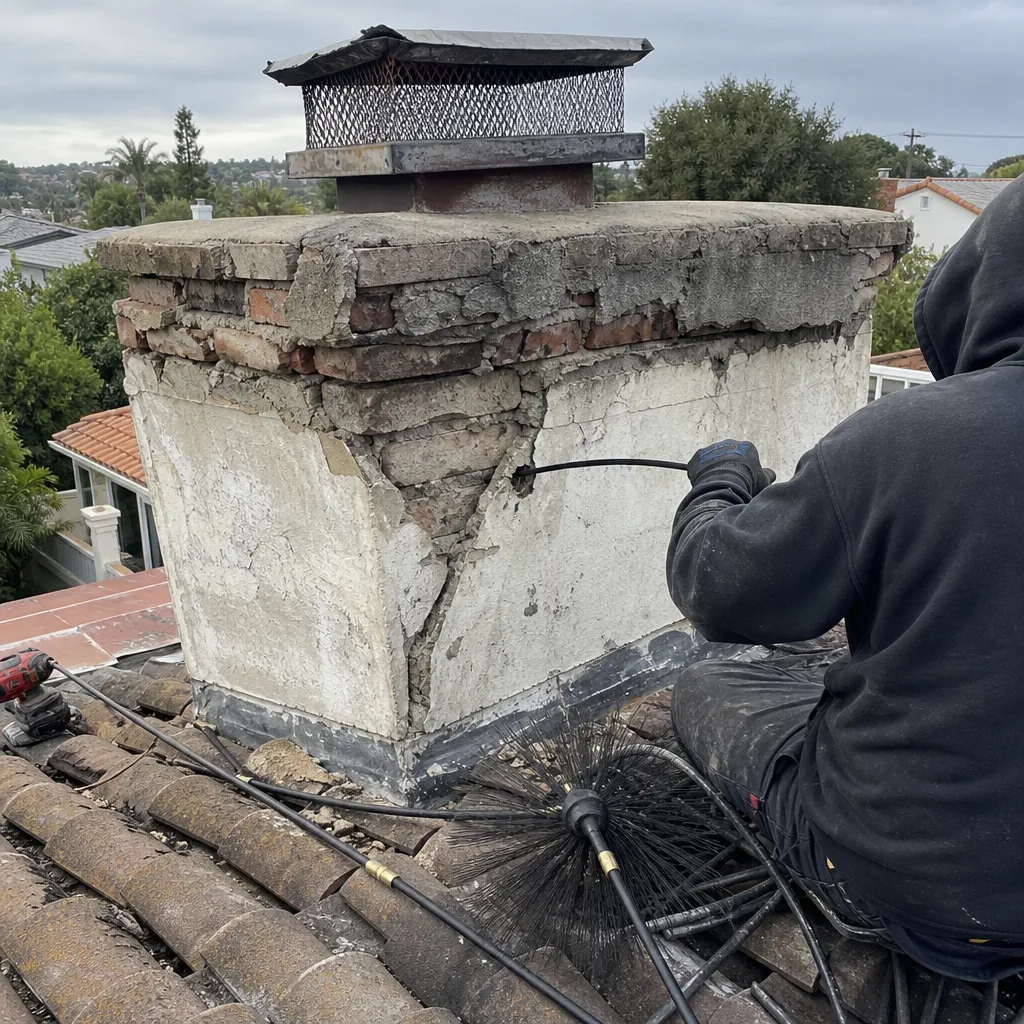 Before
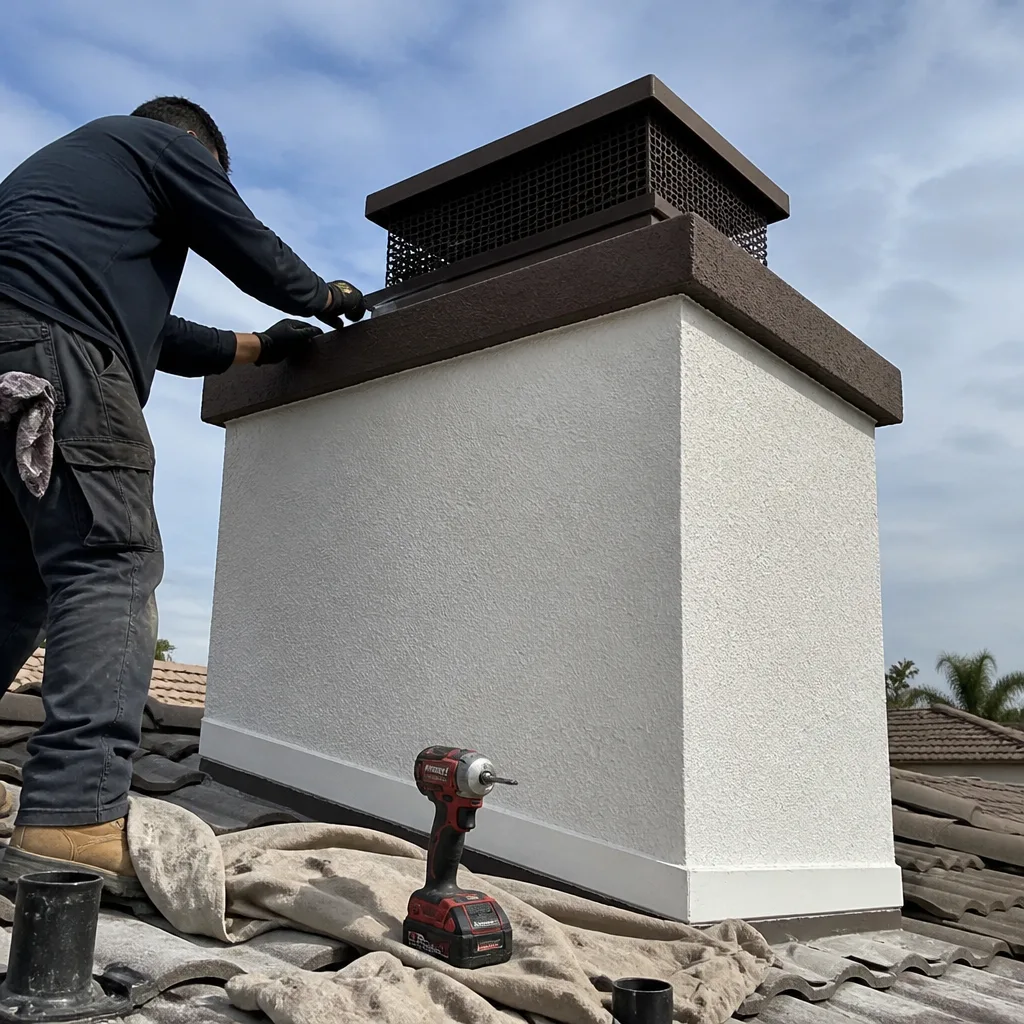 After
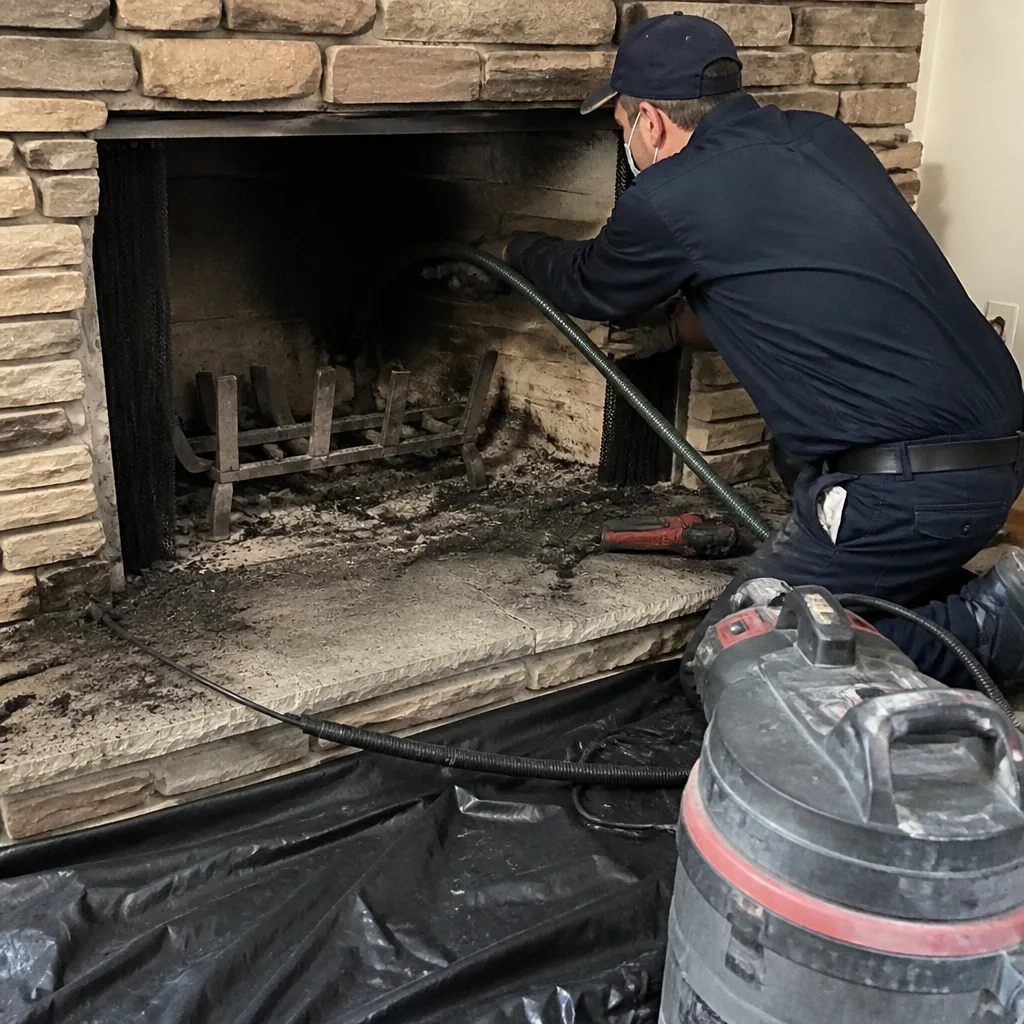 Before
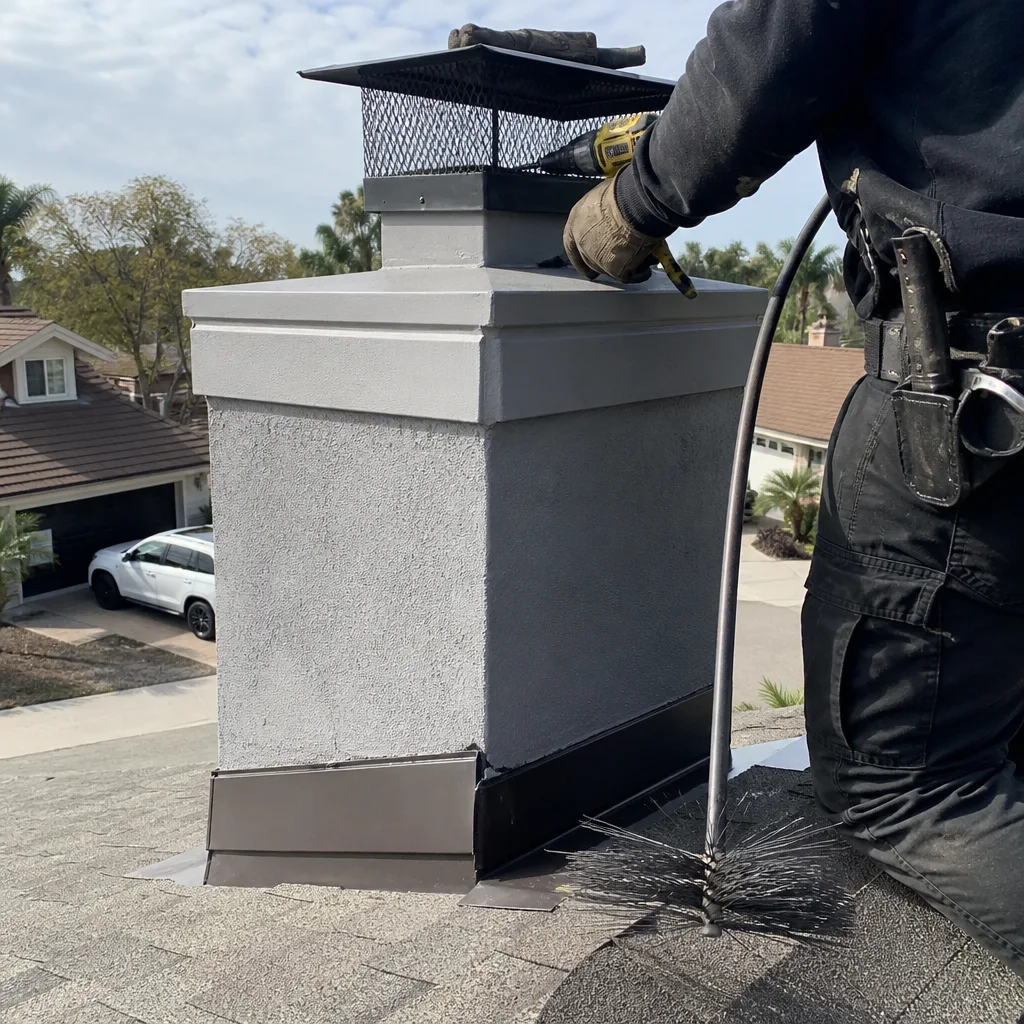 After
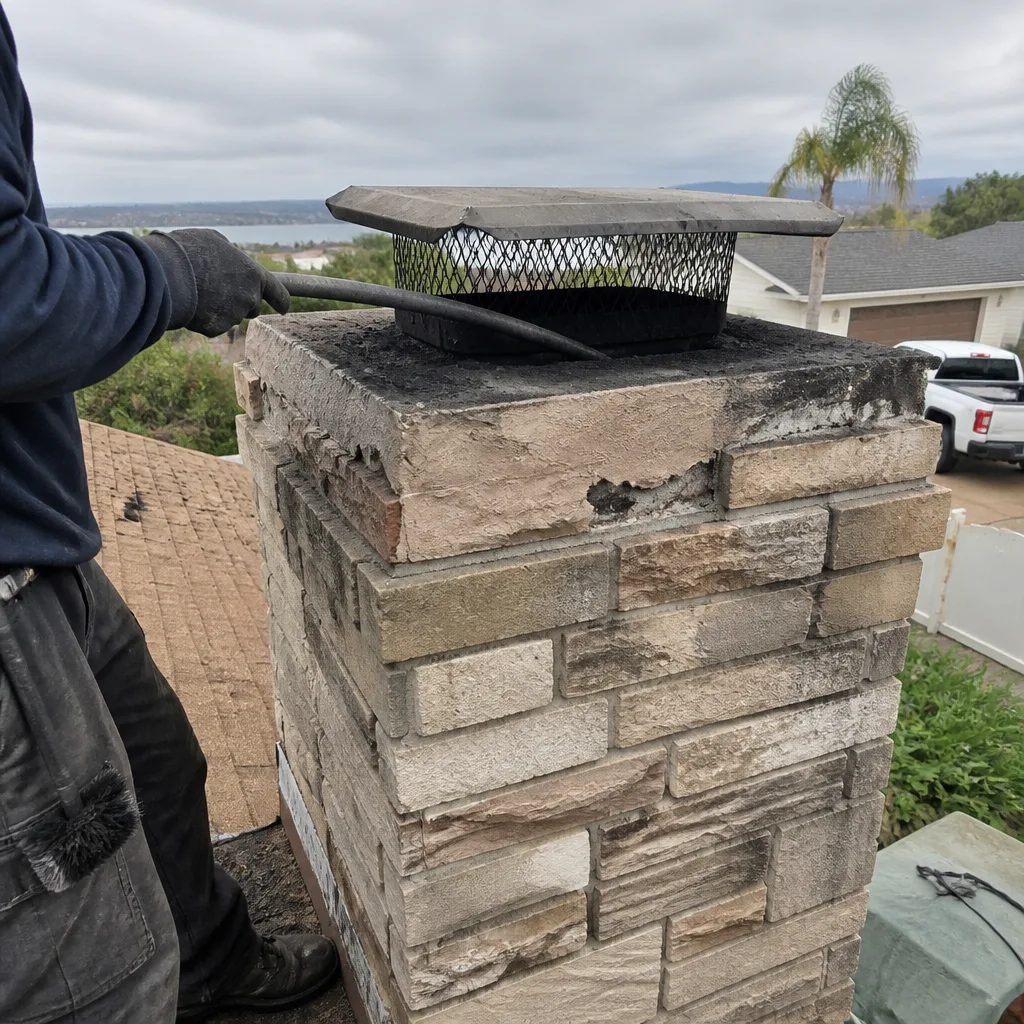 Before
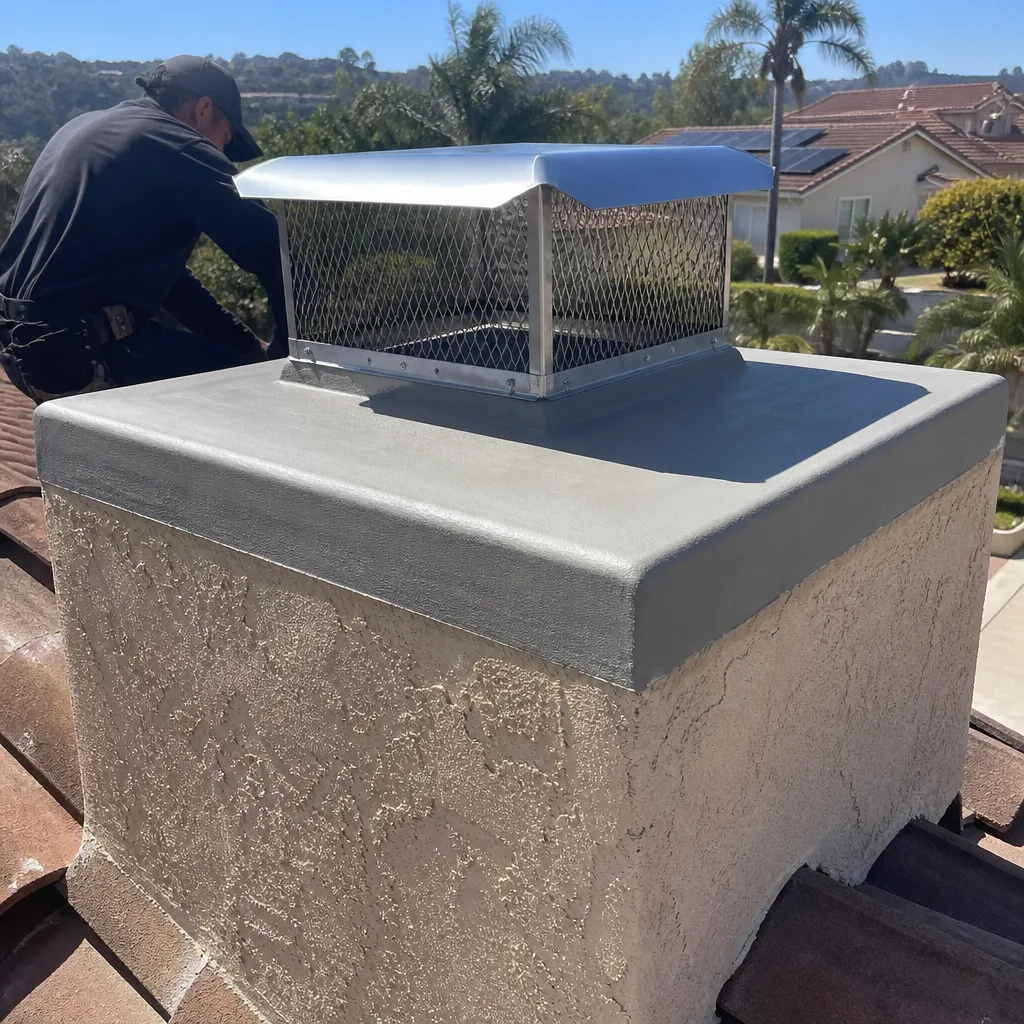 After
When to Call a Professional
Call a chimney professional when you see or smell any of the following: a persistent odor that doesn’t resolve, smoke entering the room despite trying the normal fixes, visible exterior damage like a cracked crown or leaning chimney, heavy rust or efflorescence that reappears after cleaning, or any indication of an animal in the flue. These are not DIY repairs. Chimney work involves components that are difficult to access safely and defects that are easy to misdiagnose without proper training. Supreme Chimney Sweep offers free estimates in Carlsbad. If you’ve noticed any of the warning signs in this guide, call (833) 589-8164 and we’ll assess what’s actually happening, not just what’s visible from the living room.
Frequently Asked Questions
A standard chimney sweep in Carlsbad typically costs $180 to $340, depending on the level of creosote buildup, the height of the flue, and whether any animal removal or cap replacement is needed. Most companies, including Supreme Chimney Sweep, include a basic inspection with the sweep, though a full video inspection may be priced separately. Call (833) 589-8164 for an exact quote, estimates are free.
A musty fireplace smell means moisture is somewhere in the chimney system, usually entering through a cracked crown, failing mortar joint, or missing rain cap. In Carlsbad’s coastal climate, that moisture can persist year-round through humidity absorption even without direct rain exposure. If left unaddressed, it degrades the flue liner and masonry within two to three seasons.
Yes, a chimney cap is one of the lowest-cost components of the entire system and prevents most chimney problems before they start. It keeps rain, birds, raccoons, and debris out of the flue, all of which cause expensive damage. We install Gelco and Olympia Chimney caps, which are professional-grade components built to withstand coastal salt air, and they’re typically replaced in a single visit. For help selecting the right equipment, see our Choosing the Right Chimney Cleaning Brand: A Buyer’s Guide for Carlsbad.
If you burn regularly and skip a year, creosote continues to accumulate, narrowing the flue and increasing the fire risk. If you don’t burn at all, the bigger risk is water damage and animal nesting going undetected. Either way, the problem compounds: what would have been a standard sweep often becomes a more involved repair.
Visible signs of a chimney leak include efflorescence (white staining) on the exterior, rust on the damper, water in the firebox after rain, and musty odors. In Carlsbad, leaks often show up first as a smell, because the marine layer keeps the moisture from drying out between rains. The source is usually the crown, the flashing where chimney meets roof, or a missing cap.
They’re separate systems, but they interact in one important way: a clogged dryer vent can create negative pressure in the house, which pulls air down the chimney and causes smoke backdrafting when you use the fireplace. If you’ve cleaned the chimney and still have draft problems, the issue may be in the dryer vent system. Supreme Chimney Sweep handles both in one visit, because both are fire hazards and both affect airflow through the home. Learn more about our Dryer Vent Cleaning in Carlsbad service.
The Bottom Line
Your chimney is speaking to you through smells, stains, and smoke behavior, and Carlsbad homeowners who learn to read those signals catch problems early, when they’re inexpensive to fix. The musty spring smell, the white staining on the brick, the smoke that rolls back into the living room on a cold night – none of these are normal, and none of them improve on their own. If you’ve spotted any of the warning signs in this guide, or if you’re unsure whether what you’re seeing matters, call Supreme Chimney Sweep at (833) 589-8164 for a free estimate. We inspect, we clean, and if we find damage, we repair it, same company, same visit. One call covers your chimney and your dryer vent, both fire hazards, both handled.
Written by the team at Supreme Chimney Sweep, serving Carlsbad since 2012.