
Last updated October 30, 2026
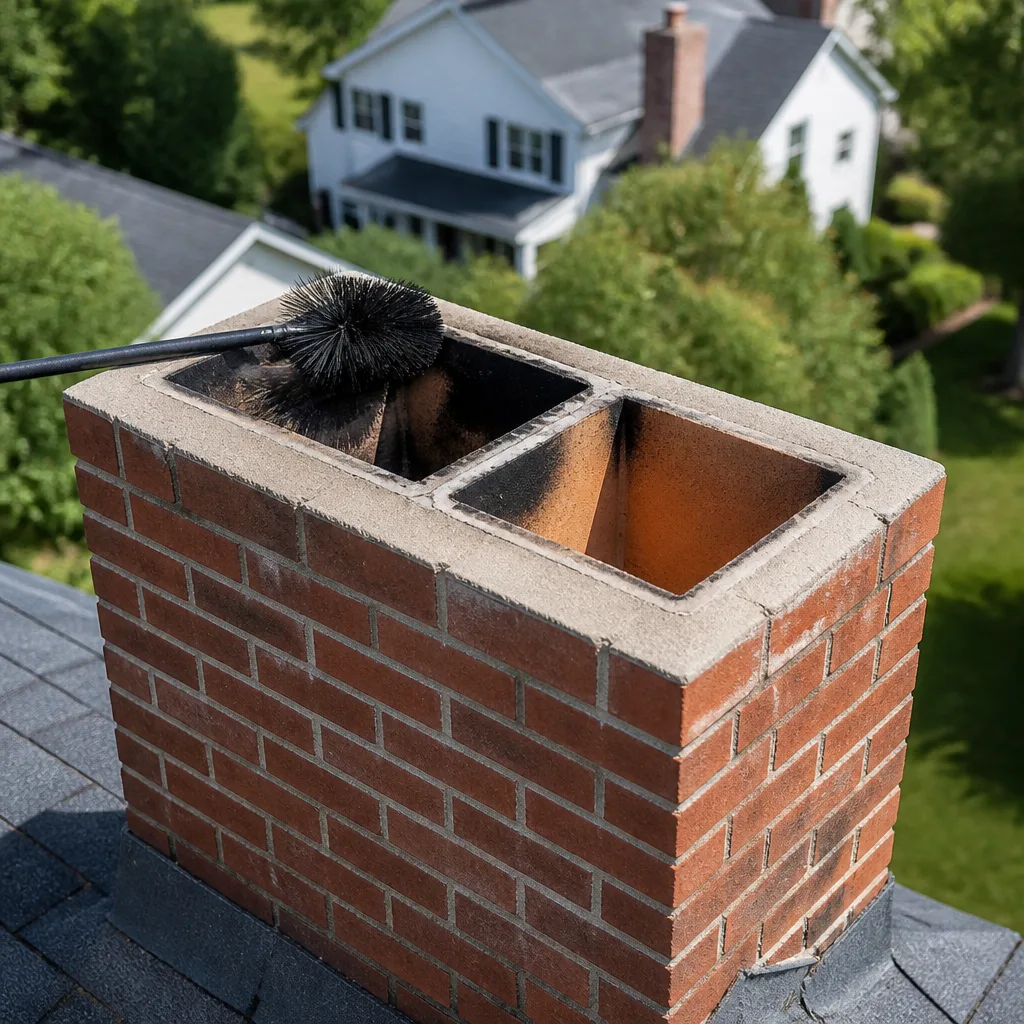 Sweep & inspection
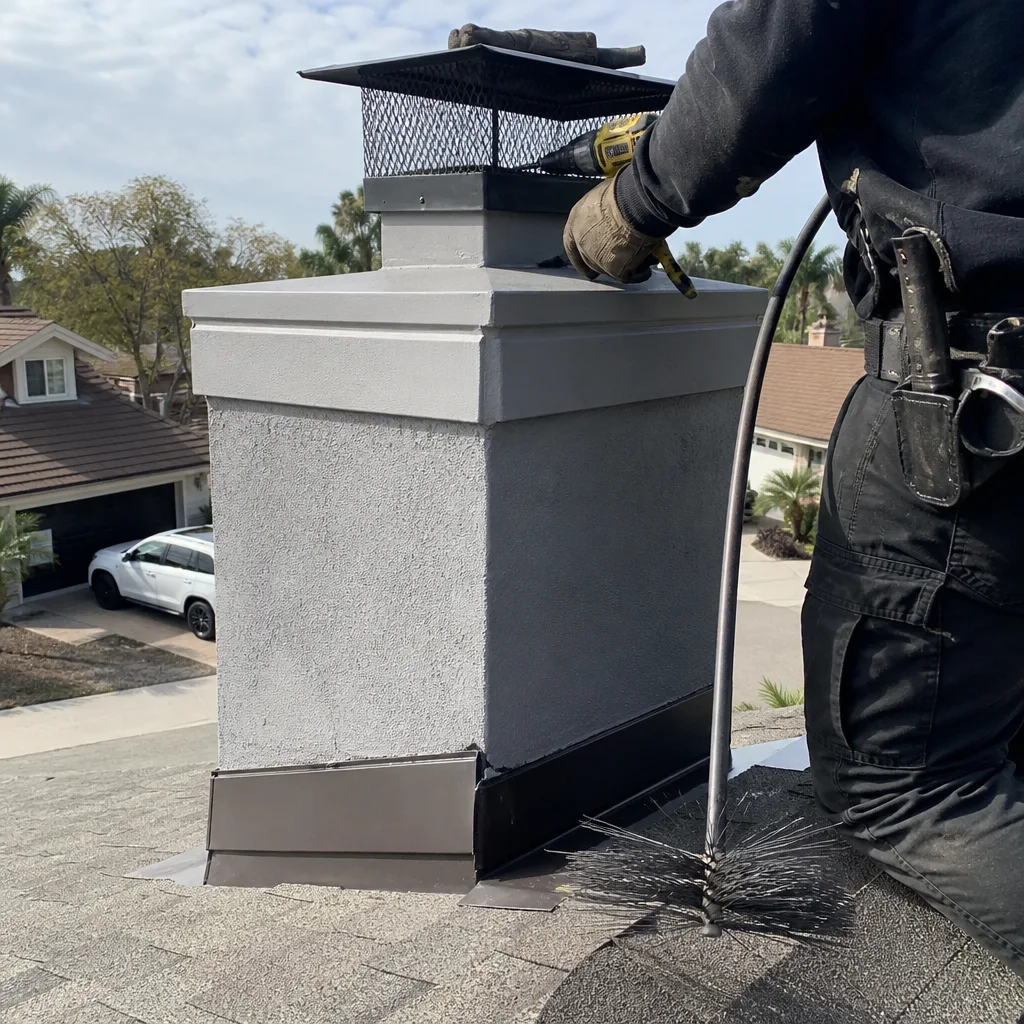
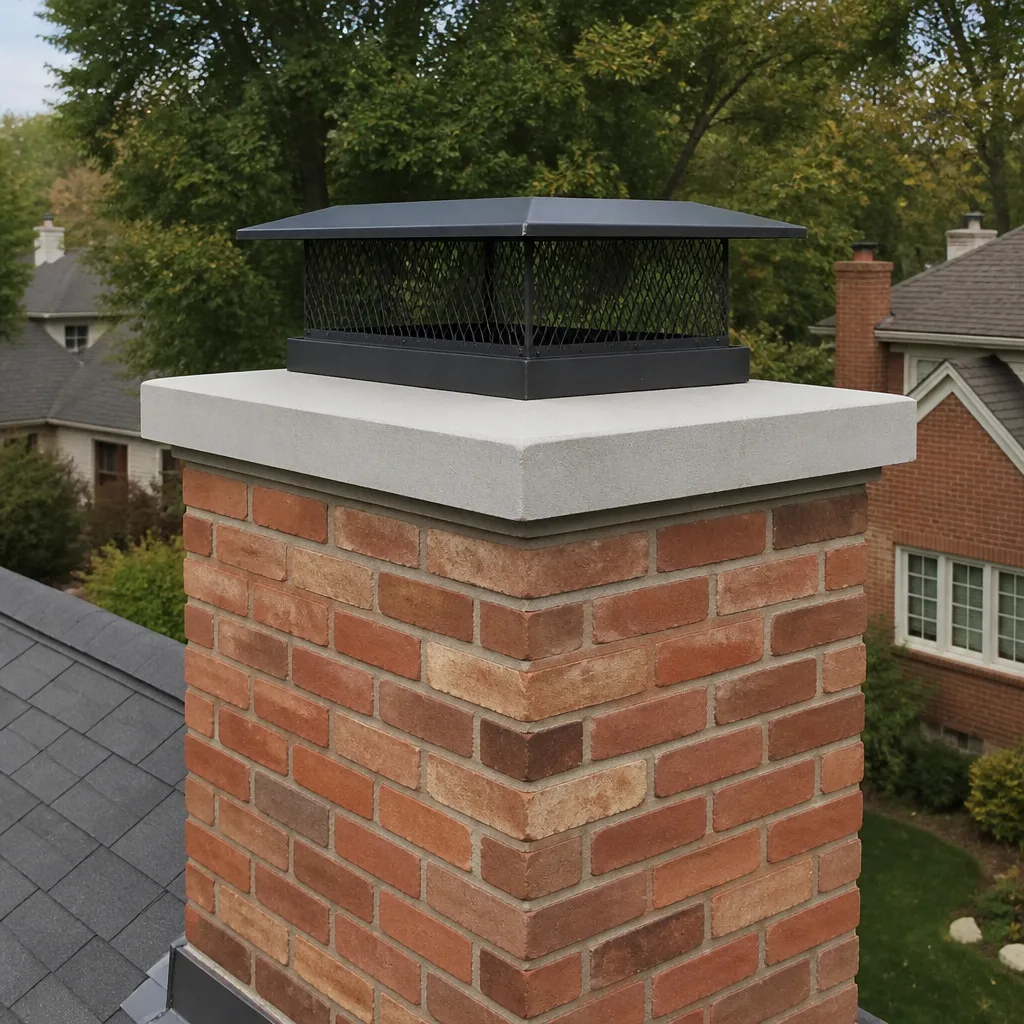 Caps & crowns
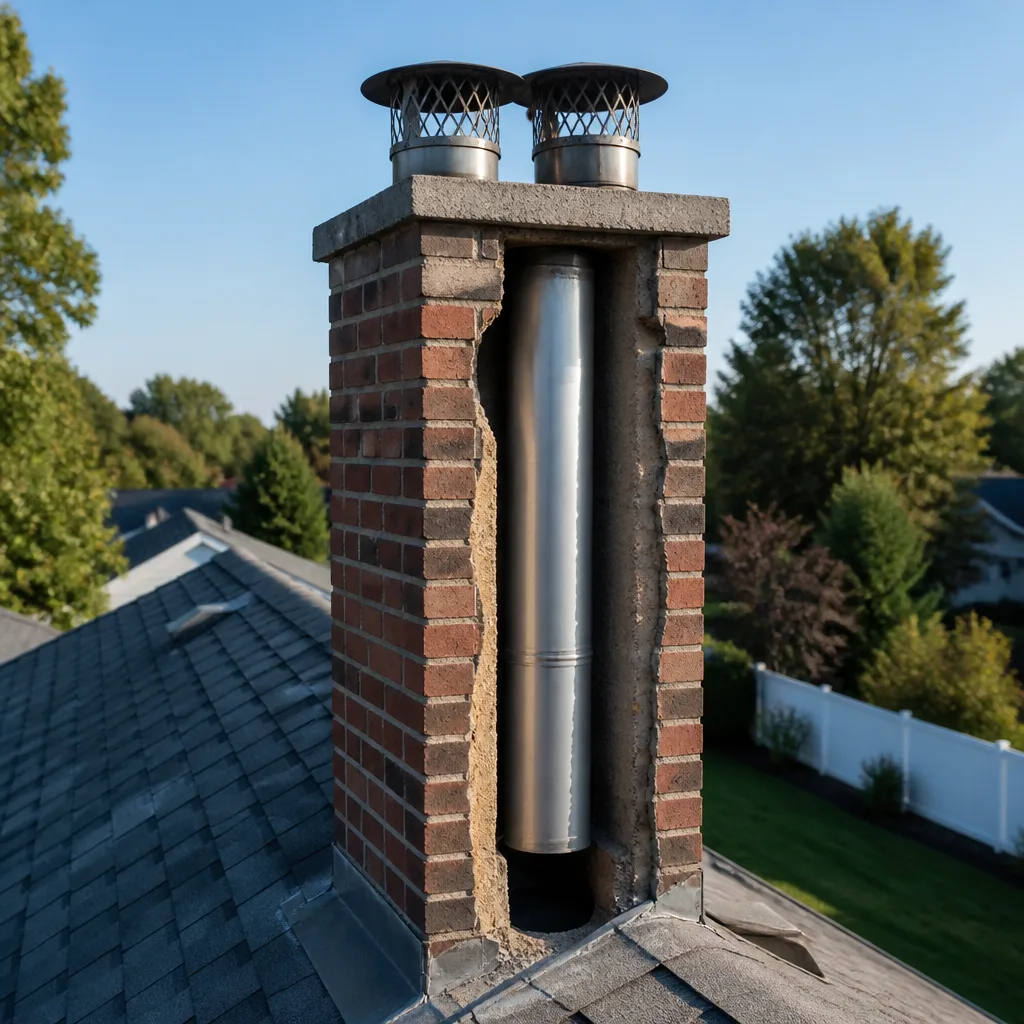 Flue relining
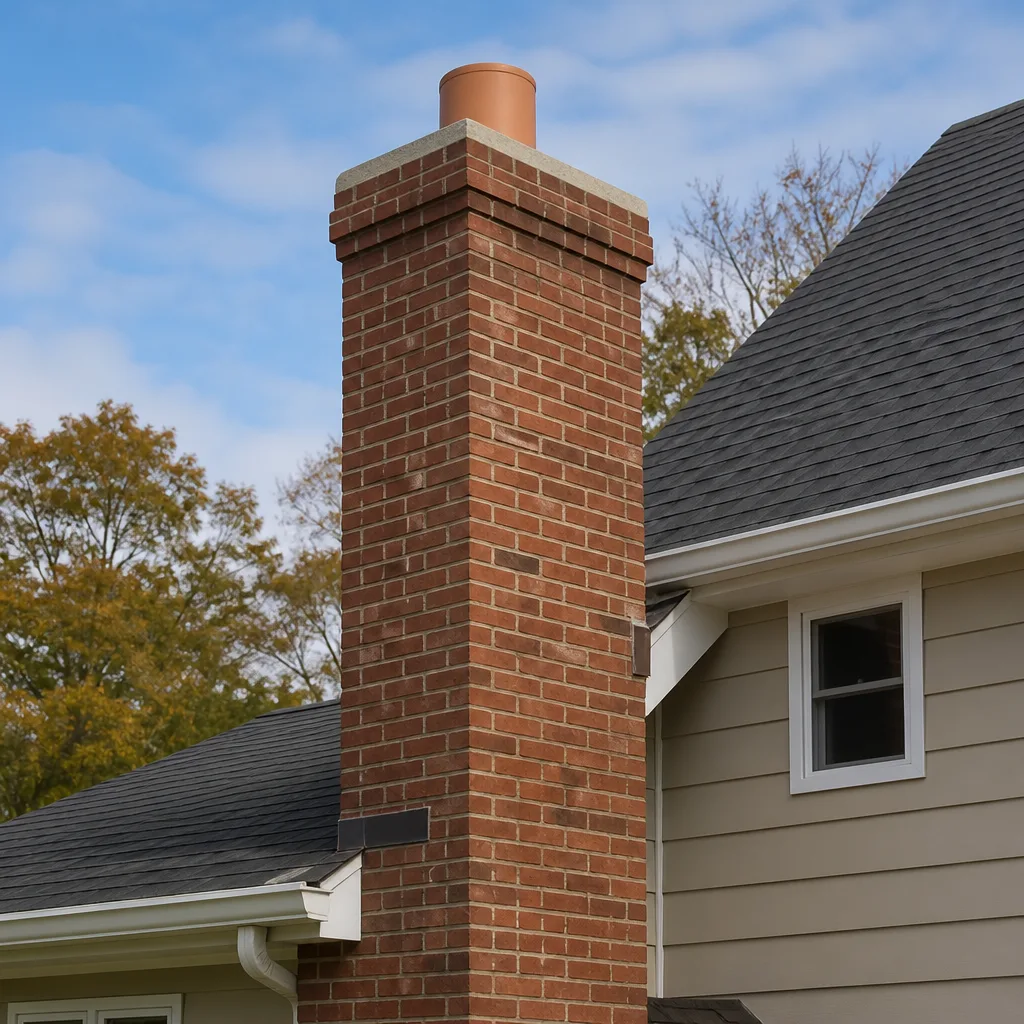 Masonry repair
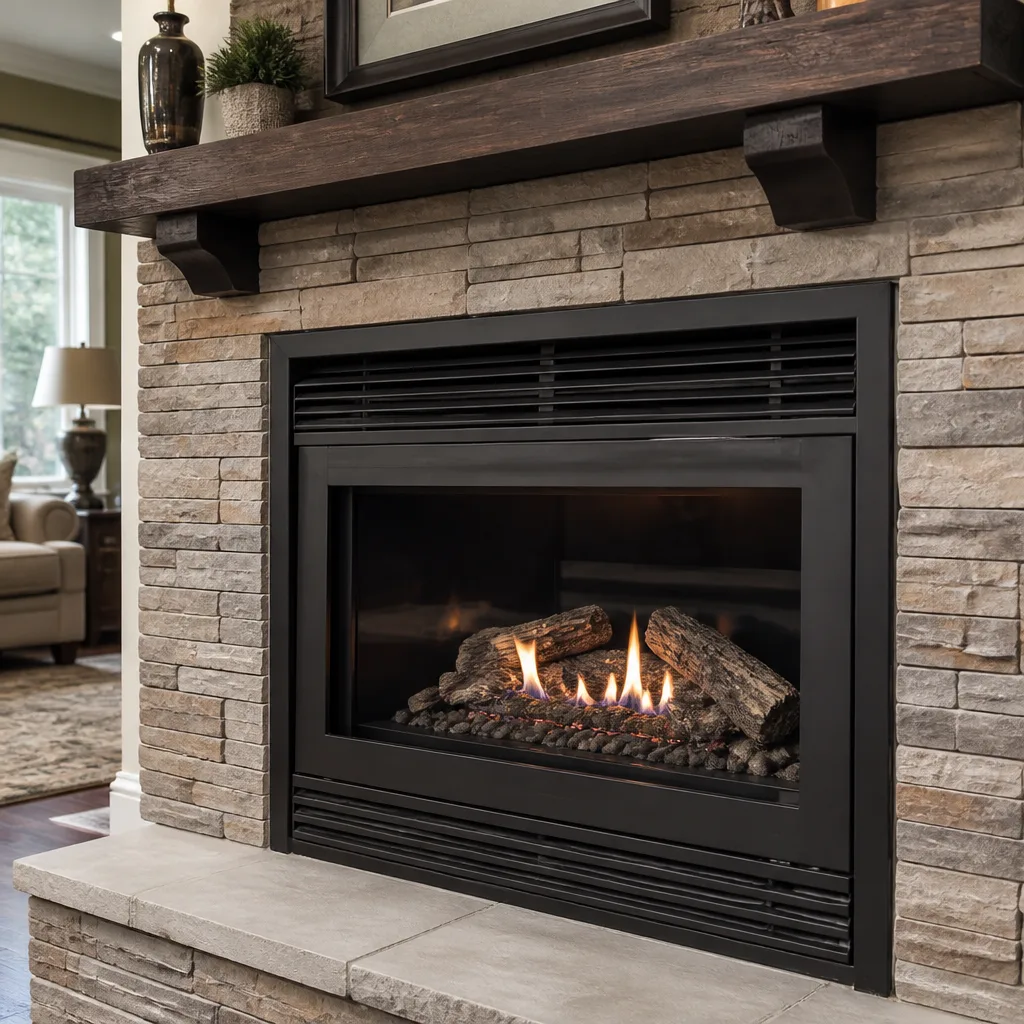 Gas fireplace service
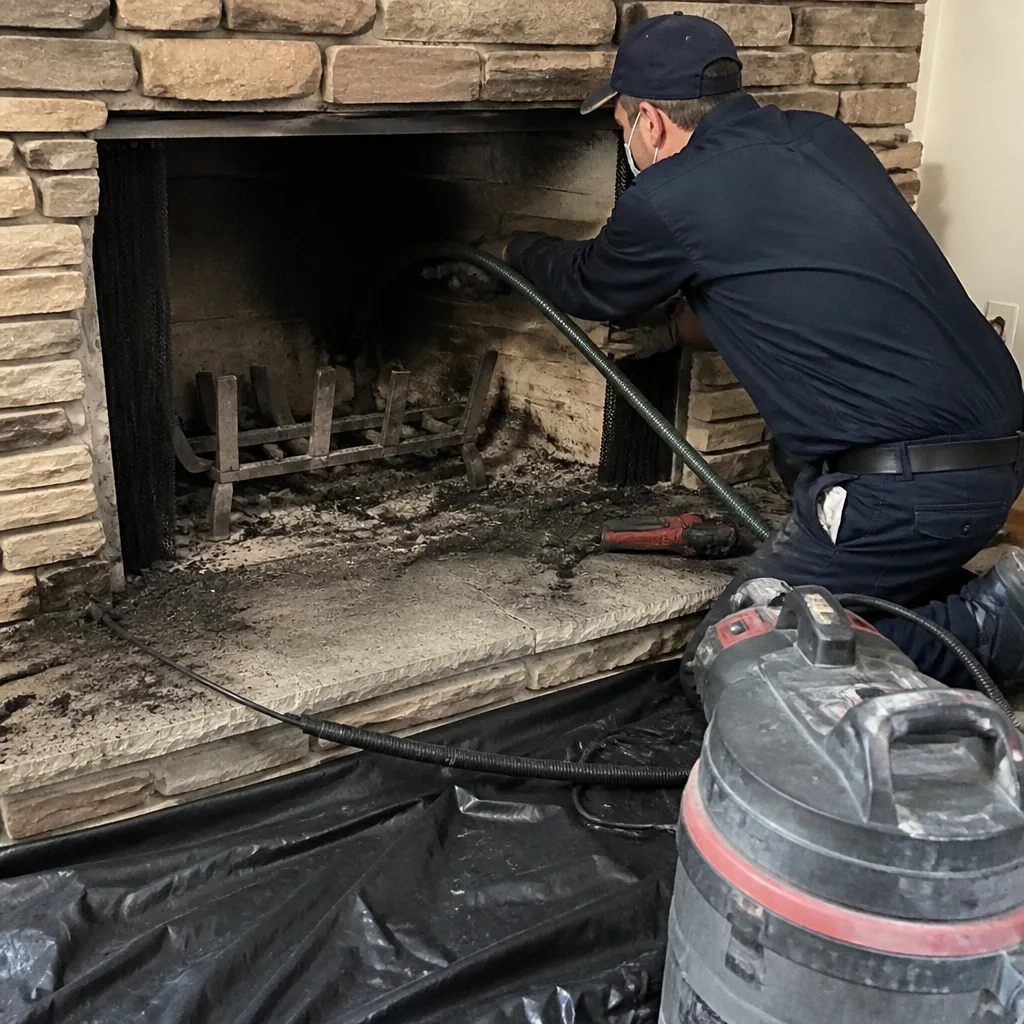
Level 1 sweep and inspection to the NFPA 211 annual standard - flue, crown, cap, and flashing checked and photographed
Chimney sweep logs do not sweep chimneys. They loosen some creosote - which then falls where a brush and vacuum still have to collect it.
Choosing the Right Chimney Cleaning Brand: A Buyer’s Guide for Carlsbad
The chimney cap sold at a big-box store and the one a professional contractor installs may look identical from the ground. But mesh gauge, collar gauge, and stainless alloy grade determine whether that cap lasts three years or fifteen in a marine climate like Carlsbad’s. Salt air corrodes cheap metal fast. Homeowners who learn to read the difference between contractor-grade components and retail substitutes make one decision that protects their chimney for a decade. This guide explains exactly what matters, what doesn’t, and which questions get you straight answers from any chimney professional in Carlsbad.
Styles & brands we work with
Quick Answer
The right chimney cleaning brand for a Carlsbad home is not a single name. It’s any professional-grade component line, like Gelco, Olympia Chimney, or HeatShield, that uses 316 stainless steel, proper mesh gauge, and UL-listed construction. The brand your contractor stocks matters because retail substitutes use thinner metal and weaker mesh that salt air destroys within a few years. Choose a contractor who installs trade-level brands and who can repair what they find, not just clean and leave.
Table of Contents
- Why the Brand on Your Chimney Components Matters More Than You Think
- How Carlsbad’s Coastal Climate Changes What You Should Buy
- The Product Categories Where Brand and Spec Actually Matter
- How to Decode Product Specifications: Gauge, Alloy, and UL Listings
- What Makes Contractor-Grade Products Different from Retail Versions
- Questions to Ask Your Chimney Contractor Before They Install Anything
- Common Mistakes to Avoid
- When to Call a Professional
- Frequently Asked Questions
- The Bottom Line
Why the Brand on Your Chimney Components Matters More Than You Think
Chimney sweeping is a cleaning service. What most Carlsbad homeowners don’t realize is that the components on their chimney, the cap, the damper, the liner, are doing the real safety work between visits. A sweep removes creosote. A properly built cap keeps rain, embers, and animals out. A properly installed liner contains heat and combustion gases. When those components come from a retail shelf, they are built to a price point. When they come from a professional line like Gelco or Olympia Chimney, they are built to a performance standard.
We see the difference constantly in Carlsbad. A homeowner buys a cap online or from a hardware store, installs it or has a handyman do it, and three years later the mesh is rusted through and squirrels are nesting in the flue. The homeowner paid less upfront and will pay again for removal, replacement, and often pest cleanup inside the chimney. The cap that costs $40 more from a contractor line would still be intact.
Brand matters because it is a shorthand for specification. Professional lines publish their alloy grades, their mesh gauges, their manufacturing tolerances. Retail lines publish a box photo and a price. When your contractor says they install Gelco caps, what they are really saying is that the cap on your roof meets a documented standard for Coastal California conditions. That’s the difference. Not the logo. The spec behind it.
This guide is built on what we’ve learned from chimney sweep work in Carlsbad and the repair jobs that follow when the wrong parts fail. Use it to evaluate any contractor’s parts, and you will end up with a chimney system that holds up. For more on what a full inspection and cleaning covers, see our Supreme Chimney Sweep home page.
How Carlsbad’s Coastal Climate Changes What You Should Buy
Carlsbad sits directly on the Pacific. That means marine layer moisture, salt-laden fog, and consistent onshore airflow. For chimney components, this is a corrosion laboratory. Stainless steel is not one material; it is a family of alloys, and the cheapest members of the family do not belong within five miles of salt water.
The two alloys most homeowners hear about are 304 and 316 stainless. Both are used in chimney caps and chase covers. Here’s the difference that matters in Carlsbad:
- 304 stainless steel contains chromium and nickel. It resists rust in normal outdoor conditions. It is a solid choice for inland San Diego County. In Carlsbad’s salt fog, 304 will eventually show tea staining and pitting, especially on flat surfaces where salt water pools.
- 316 stainless steel adds molybdenum. That single alloying element makes the metal dramatically more resistant to chloride corrosion, which is exactly what ocean air delivers. 316 costs more. It lasts roughly twice as long within two miles of the coast.
We’ve replaced 304 caps in La Costa and Aviara that failed in under four years while 316 caps on nearby homes still looked new at ten. The salt fog does not discriminate by neighborhood. Carlsbad Village, Bressi Ranch, Calavera Hills, the entire city is close enough to the water that 316 is the safer specification. If a contractor quotes a cap and cannot tell you the alloy grade, treat that quote as incomplete.
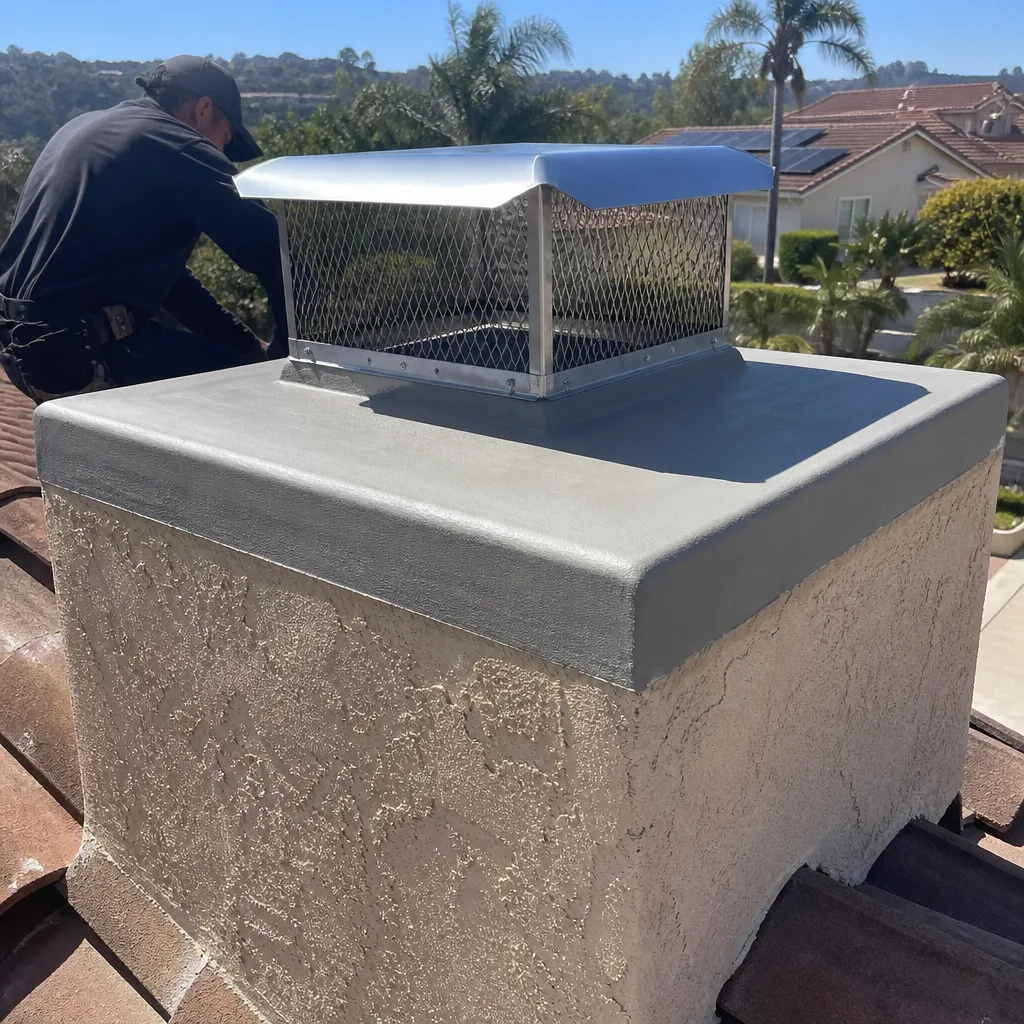
Chase covers, the flat metal tops on prefabricated chimneys, are even more vulnerable than caps because water sits on them. A chase cover fabricated from 316 stainless or powder-coated 24-gauge steel will outlast a thinner, uncoated cover by a wide margin. The same logic applies to dampers and liners: the component that costs slightly more today resists the specific failure mode this city specializes in, which is slow, steady corrosion.
The Product Categories Where Brand and Spec Actually Matter
Not every part of a chimney system deserves equal worry. Mortar joints, firebrick, and flashing are site-built and brand-agnostic. But four product categories are factory-made, and in those categories the brand name encodes real engineering decisions.
Chimney Caps
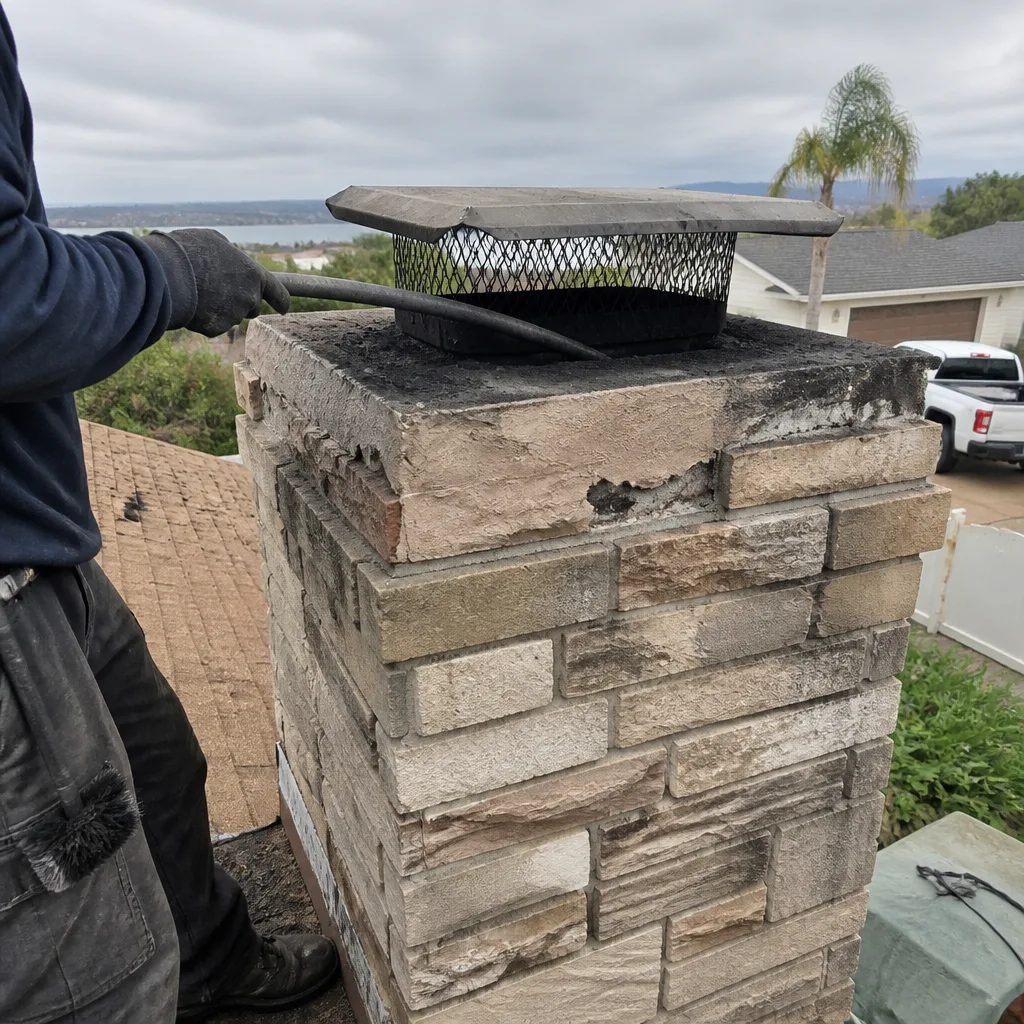
A chimney cap does three jobs: it keeps rain out, it keeps animals out, and as a spark arrestor, it keeps embers from leaving the flue. Performance in all three depends on mesh gauge and metal quality. Cheap caps use thin mesh that a determined raccoon can tear and light-gauge collars that warp under a strong Santa Ana wind. Professional caps from Gelco use welded mesh, heavier collars, and fastening systems that survive coastal wind and salt. In Carlsbad, the cap is the first line of defense against the two things the ocean sends constantly: moisture and wind-driven debris.
Chimney Liners
Liners contain heat and combustion gases. A cracked or missing liner is a fire-and-carbon-monoxide problem. When a liner needs replacement, the material choice matters: rigid stainless, flexible stainless, or a poured-in-place system. DuraFlex flexible stainless liners are used by chimney contractors nationwide because they are UL-listed and available in the proper grades. A relining job done with contractor-grade flexible liner can restore a safe flue path in a single day. When the existing liner is damaged but structurally intact, HeatShield resurfacing can restore the surface without a full liner replacement, a specialized repair capability that changes the cost equation for homeowners.
Damper Hardware
Dampers regulate airflow and, when closed, block conditioned air from escaping the house. The factory-built dampers used by professional chimney contractors seal more tightly than the cast-iron originals in most older Carlsbad homes. Brands like Olympia Chimney make top-sealing and throat-mount dampers with machined tolerances that keep air where it belongs. The difference shows up in energy bills and in whether wildfires’ smoky air pulls into the living room when the damper is closed.
Chase Covers
Prefabricated chimneys, very common in newer Carlsbad construction, sit inside framed and stucco-finished chases. The metal cap on top of that chase is the only thing between the framing and the rain. A properly fabricated chase cover drains water to the edges, has a drip edge, and is built from thick enough metal that it does not sag. Big-box versions are often stamped from thin stock that pools water. Contractor-grade covers are measured, bent, and welded to the specific chase dimensions.
How to Decode Product Specifications: Gauge, Alloy, and UL Listings
Brand names give you a starting point. Specifications tell you the rest of the story. The best contractor in Carlsbad will tell you both. Here is how to read what they say.
Gauge
Gauge indicates metal thickness. In sheet metal, a lower gauge number means thicker material. A 24-gauge chase cover is substantially thicker and stiffer than a 30-gauge version. For caps, collars, and covers in a coastal environment, 24-gauge stainless or 26-gauge at minimum is the range we specify. Thinner metal warps, tears at fastener points, and fails prematurely under wind load.
Alloy Grade
As covered above, 316 stainless is the coastal standard for caps and covers. 304 is acceptable inland. Anything identified only as “stainless steel” without a grade number is a red flag, not because it is automatically bad, but because the seller is not giving you the information you need to judge. A contractor who cannot name the alloy is a contractor who has not thought about corrosion resistance.
UL Listings
Underwriters Laboratories tests chimney liners and related components for fire safety. A UL-listed liner has passed specific standards for temperature resistance, structural integrity, and installation compatibility. DuraFlex liners, for example, are UL-listed. That listing matters for homeowner insurance and for building code compliance in Carlsbad. If a contractor proposes a liner without a UL listing, walk away. Not all chimney components require UL certification, but liners specifically should have it.
Mesh Gauge and Opening Size
Spark arrestor mesh on caps and chimney tops has two requirements that work against each other. Openings must be small enough to stop embers and exclude animals, but large enough to avoid clogging with creosote and soot. Professional caps use 3/4-inch mesh, typically 18-gauge or thicker. Cheaper caps use lighter wire that rusts into holes in a few coastal seasons. For Carlsbad specifically, mesh corrosion is the dominant failure mode, which is why 316 stainless mesh is worth the premium.
What Makes Contractor-Grade Products Different from Retail Versions
The honest answer is: construction. Not branding, not marketing, but how the metal is cut, bent, welded, and finished. Contractor-grade products from lines like Gelco, Olympia Chimney, and Famco are built for installers who have to stand behind their work. Retail products are built for shelves.
We’ll give you the concrete differences we see on job sites in Carlsbad:
- Metal thickness. A contractor cap typically uses 24-gauge steel in the hood and collar. A retail cap may use 28 or 30-gauge. The thinner cap dents during installation and flexes in wind. The thicker cap holds its shape for the life of the component.
- Mesh attachment. Professional caps use welded or mechanically fastened mesh. Retail caps often use crimped mesh held in place by the cap’s rolled edge. Crimped attachments loosen as metal expands and contracts through Carlsbad’s daily temperature cycles. A loose mesh is an animal entry point.
- Fastener design. Contractor caps attach with machine screws into pre-drilled, reinforced collars. Retail caps use sheet-metal screws intended to bite into thin stock. The professional design holds under wind load. The retail design can strip out.
- Weld quality. Trade-level components from Famco and others show consistent welds. That matters on chase covers, where a pinhole weld leaks rainwater directly onto the wood framing below.
- Finish. Powder coating, when specified, is a prepared-surface industrial process on professional lines. On retail lines, it is often a thin coat applied in the factory with minimal surface prep. In Carlsbad’s salt environment, thin powder coat fails in sheets within two years.
The price difference between retail and contractor-grade for a typical chimney cap is often $50 to $150. The lifetime difference is a decade. For a liner or chase cover, the math is even more lopsided. Chimney repair work in Carlsbad frequently starts with the phrase “the part I bought at the hardware store failed.” We fix what those parts let break.
Questions to Ask Your Chimney Contractor Before They Install Anything
A homeowner who asks good questions gets better work. Contractors know within ten seconds whether they are talking to an informed client or a passive one. Here are the questions that separate the two, and what good answers sound like.
- “What alloy grade is this cap or cover, and why did you choose it for my home?” A good answer names 316 stainless within a few miles of the Carlsbad coast, or explains why 304 is acceptable for your specific location. A bad answer says “it’s stainless, so it won’t rust.” Stainless rusts. The wrong grade in salt air rusts quickly.
- “Is this liner UL-listed? Can you show me the listing?” A contractor who installs DuraFlex or another listed liner can produce documentation. If the answer is vague, that liner may not meet code or insurance requirements.
- “What gauge is the metal you’re installing?” The answer should be a number: 24, 26, 28. Lower is thicker and better for structural components. “Standard gauge” is not an answer.
- “What’s the warranty on this part, and who honors it?” Professional lines carry warranties that the manufacturer backs. The contractor should be able to name the warranty term without looking it up. If the warranty is “whatever the store gives you,” that’s a retail part.
- “When you inspect my chimney and find damage, are you able to fix it on the same visit?” This question matters more in Carlsbad than homeowners realize. A contractor who only cleans and refers out means you will coordinate a second company, a second appointment, and a second set of risks. We carry repair components like dryer vent cleaning is part of our safety scope, and chimney repair parts are stocked on the truck for the same reason: the fire hazard gets resolved in one visit.
Ask these five questions, and you will quickly separate the contractor who understands ventilation safety from the one with a truck and a brush. Neither brand names nor fancy logos substitute for specific answers.
Common Mistakes to Avoid
- Buying by price alone. The cheapest cap is always the most expensive long-term decision in a salt-air coastal zip code. Paying $60 instead of $180 to replace it again in three years, plus pest damage, plus the second labor cost, is not savings.
- Assuming all stainless steel is the same. 304 and 316 are different materials. In Carlsbad, the difference is roughly double the service life. Ask for the grade.
- Treating the chimney cap as decorative. A cap is a fire-safety and water-management device. Choosing one because it looks nice in a product photo, without checking mesh gauge and alloy, is how animals and water get into flues.
- Ignoring the damper. A worn damper wastes conditioned air all year and pulls smoke into the house during Santa Ana conditions. Replacing it with contractor-grade hardware pays for itself in energy savings faster than most people expect.
- Delaying a liner repair because “it’s just a crack.” A crack in a chimney liner lets heat and gases reach combustible materials. HeatShield resurfacing can often restore a cracked liner without a full relining, but only if the crack is addressed before the damage spreads. Waiting turns a repair into a replacement.
- Hiring a cleaning-only company for a structural problem. If your chimney has a rusted cap, damaged liner, or failed damper, a sweep that cannot repair the issue will leave you with a report and a to-do list. In Carlsbad, you want one company that can finish the job.
- Forgetting the dryer vent. The chimney is one household fire hazard. The clogged dryer vent is the other. Both involve heated airflow through a duct, and both deserve professional attention. A company that handles both reduces the number of service relationships you manage.
When to Call a Professional
Some chimney work is genuinely dangerous to do yourself. Any task involving a rooftop, high-tension components, or combustion gas paths should go to a trained professional. If you see rust streaks on your chase cover, hear animals in your flue, smell smoke when the damper is closed, or can’t remember the last time your liner was inspected, that’s the call. If your dryer takes longer than one cycle to dry a load, the vent has a blockage that a homeowner can’t reach with a shop vac. These are not projects where YouTube substitutes for a working professional with the right equipment. Supreme Chimney Sweep offers dryer vent cleaning in Carlsbad as a documented fire-prevention service, and we offer free estimates for chimney work throughout the city. Call (833) 589-8164.
Frequently Asked Questions
A contractor-grade chimney cap replacement in Carlsbad typically costs between $250 and $600 including the cap and installation, depending on the flue size, roof access, and whether you choose 304 or 316 stainless. The cap itself usually accounts for $120 to $350 of that total. Salt-air homes within two miles of the coast should budget for 316 stainless, which sits at the higher end of that range but lasts roughly twice as long. Call (833) 589-8164 for an exact quote based on your chimney.
Many damaged liners in Carlsbad homes qualify for HeatShield resurfacing, which restores the existing flue surface without a full liner replacement. The liner only requires full replacement when it is structurally compromised, collapsed, or too far gone for the resurfacing material to bond properly. A camera inspection shows the condition of your liner, and we do not recommend replacement unless the evidence supports it. Call (833) 589-8164 to schedule an inspection with a written report.
The National Fire Protection Association recommends an annual inspection and cleaning when creosote buildup reaches 1/8 inch or more. Wood-burning fireplaces in Carlsbad typically need sweeping every one to two years depending on wood type and burn frequency. Gas fireplaces need less frequent cleaning but still require annual inspection of the venting system. For most Carlsbad homes, an annual inspection with cleaning on an as-needed basis is the right rhythm.
Creosote, a tar-like byproduct of wood combustion, builds up on the interior of your chimney. At 1/4 inch thickness, it can ignite and create a chimney fire that reaches 2,000 degrees and cracks your liner or ignites surrounding framing. Even without a fire, heavy buildup restricts airflow, pushes smoke into the home, and accelerates liner corrosion in Carlsbad’s moist air. Skipping cleaning also means skipping the inspection that catches damaged components before they fail.
You can, but the big-box cap and the professional cap are not the same product, and the difference is structural, not cosmetic. Retail caps use lighter-gauge metal and thinner mesh that weaken quickly in Carlsbad’s salt air. Installation also requires getting on the roof, working at height, and securing the cap so it handles wind load. A trained professional with a 316 stainless contractor cap installs it once, correctly. We’ve replaced enough prematurely rusted retail caps to know the pattern well.
Yes, because we stock professional-grade components including caps, dampers, and liners from Gelco, Olympia Chimney, and other trade lines on the truck. If the inspection finds a rusted cap, damaged damper, or cracked liner section, we can usually make the repair in the same visit. That’s the point of our approach: not just cleaning and handing over a report, but handling the fire-safety issue while we’re there. Call (833) 589-8164 to discuss your chimney.
The Bottom Line
The chimney cap, liner, and damper on a Carlsbad home are safety equipment, not accessories. They need to resist salt corrosion, handle wind, contain heat, and exclude animals and water for a decade or more. Retail parts rarely meet that standard. Contractor-grade components from lines like Gelco, Olympia Chimney, and HeatShield exist because professionals refuse to install parts that fail on a three-year cycle. The right decision comes down to alloy grade for coastal conditions, gauge for structural parts, UL listing for liners, and a contractor who can repair what inspection reveals. Ask the five questions, insist on specific answers, and your chimney will hold up. That’s the difference between a part on a shelf and a system built to last.
Written by the team at Supreme Chimney Sweep, serving Carlsbad since 2012.
See the difference
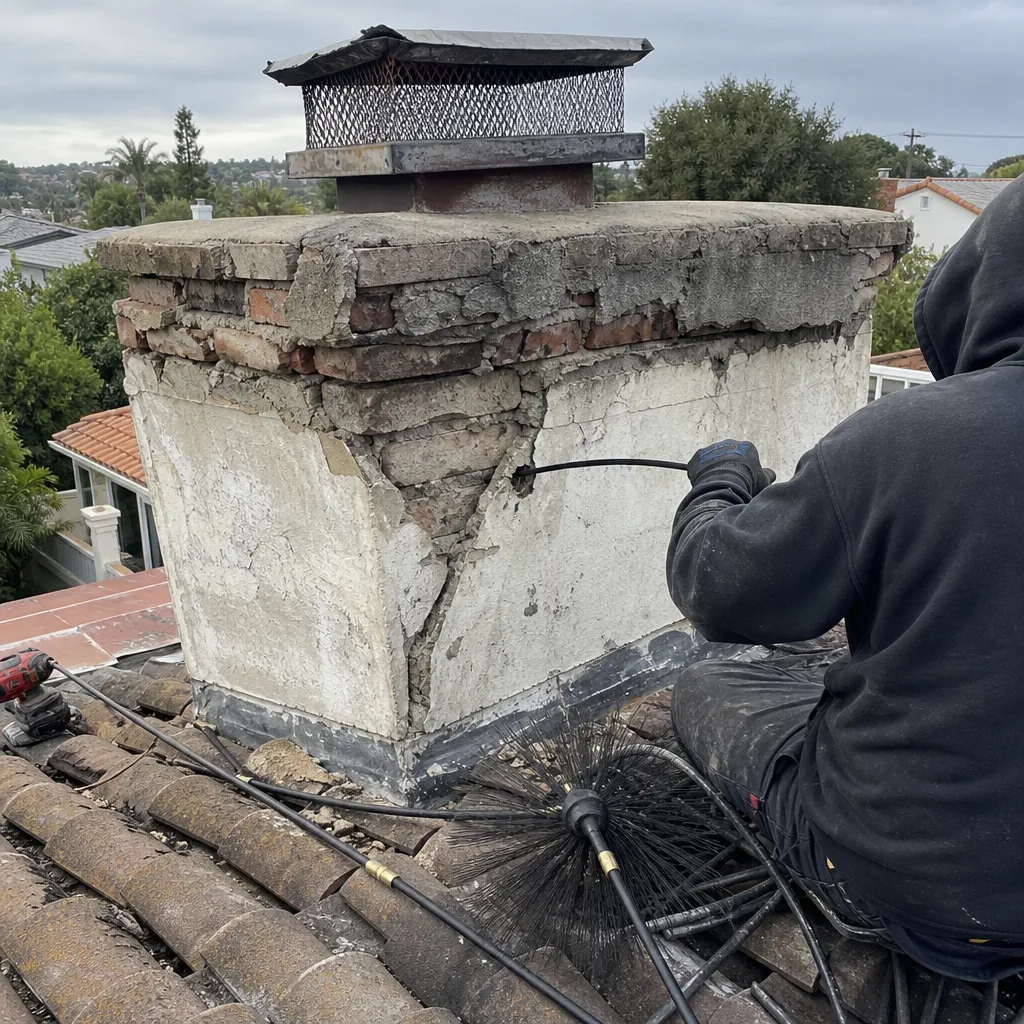 Before
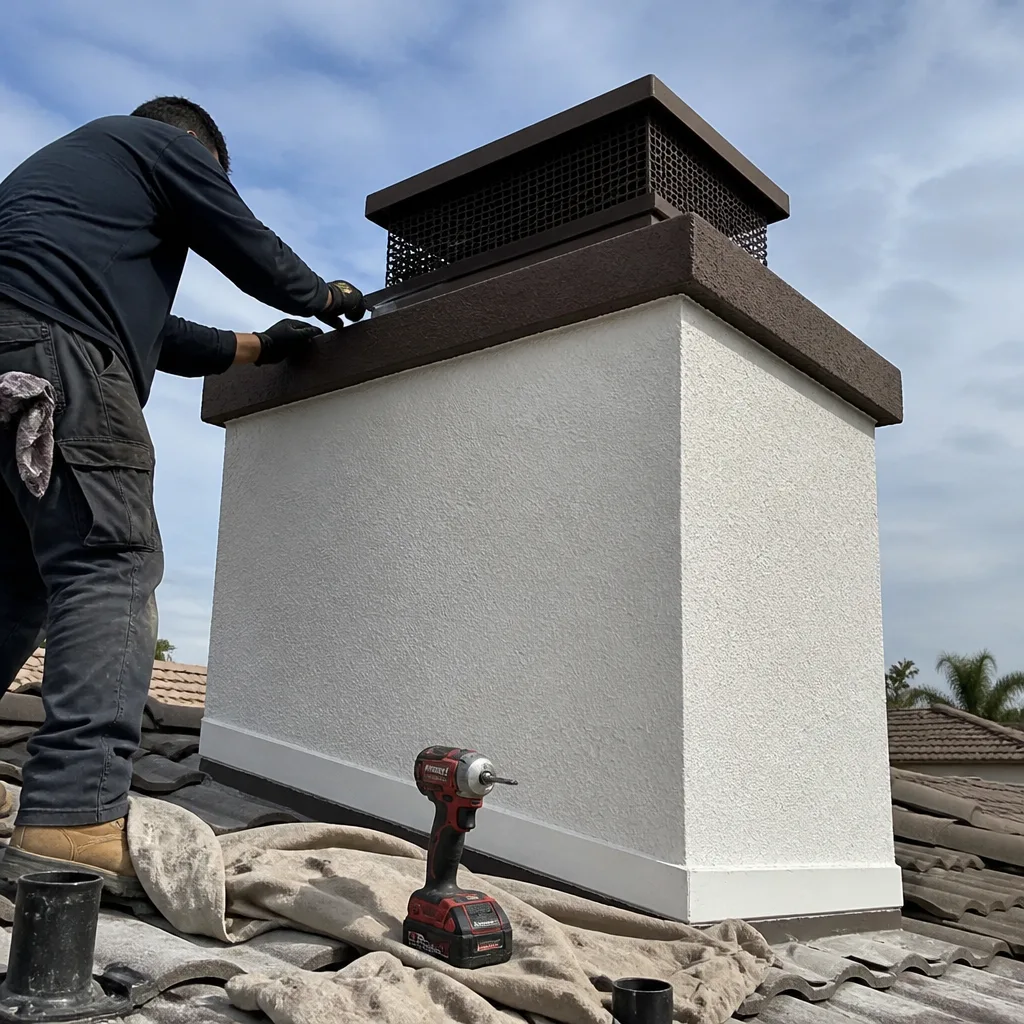 After
 Before
 After
 Before
 After