
Last updated October 30, 2026
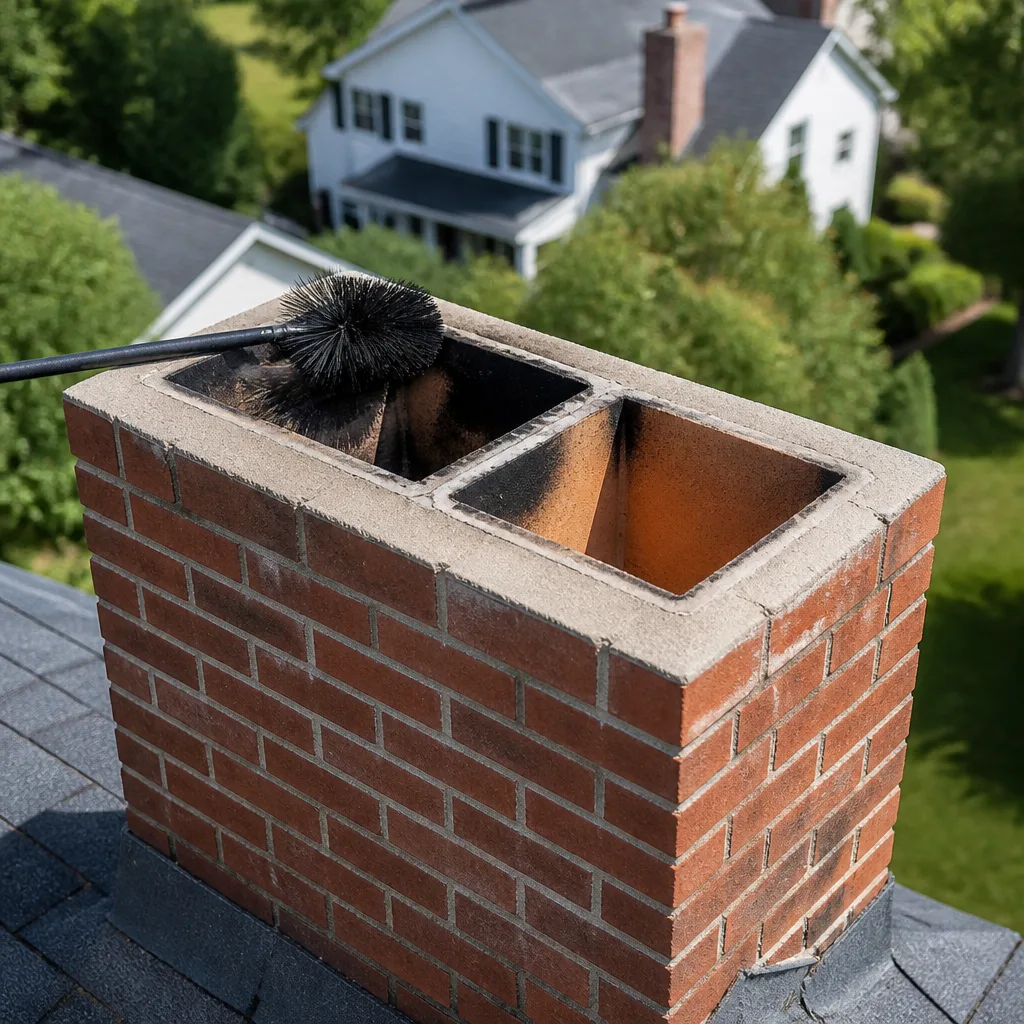 Sweep & inspection
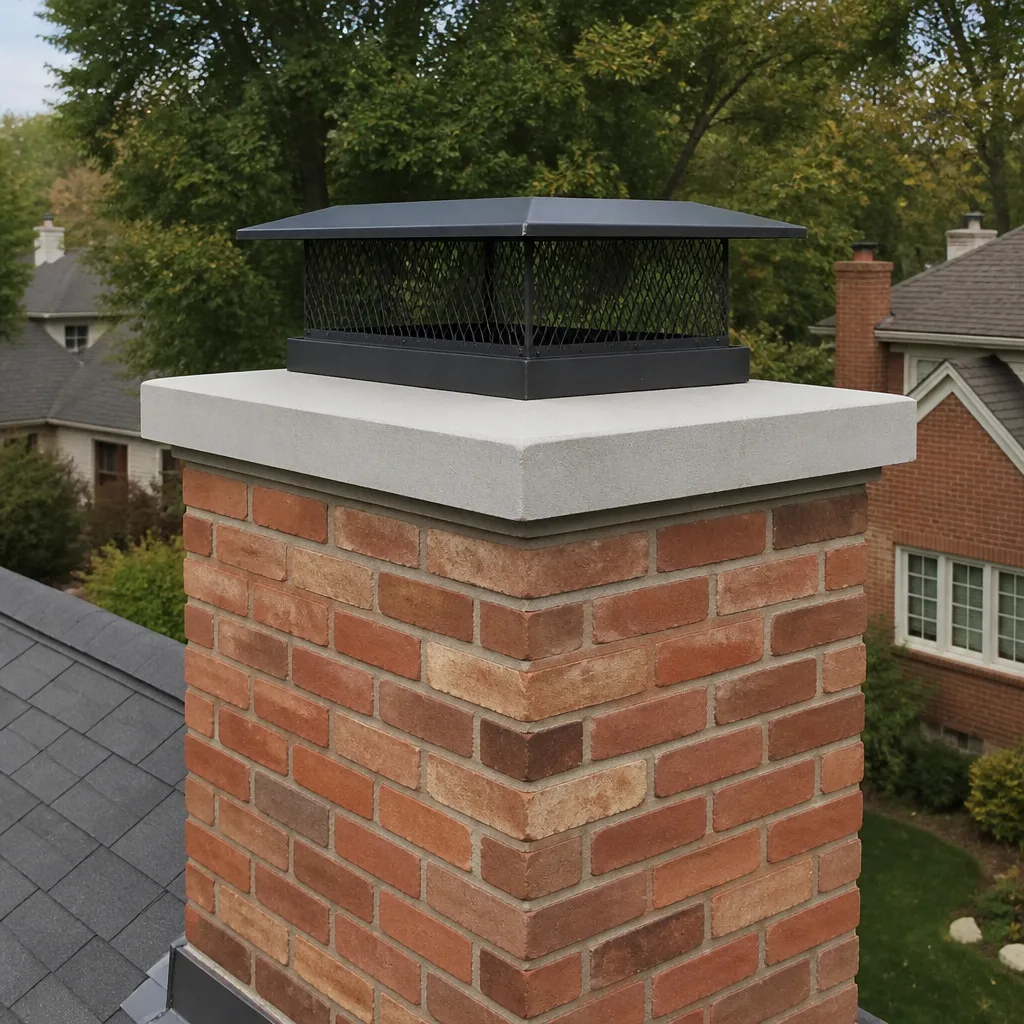 Caps & crowns
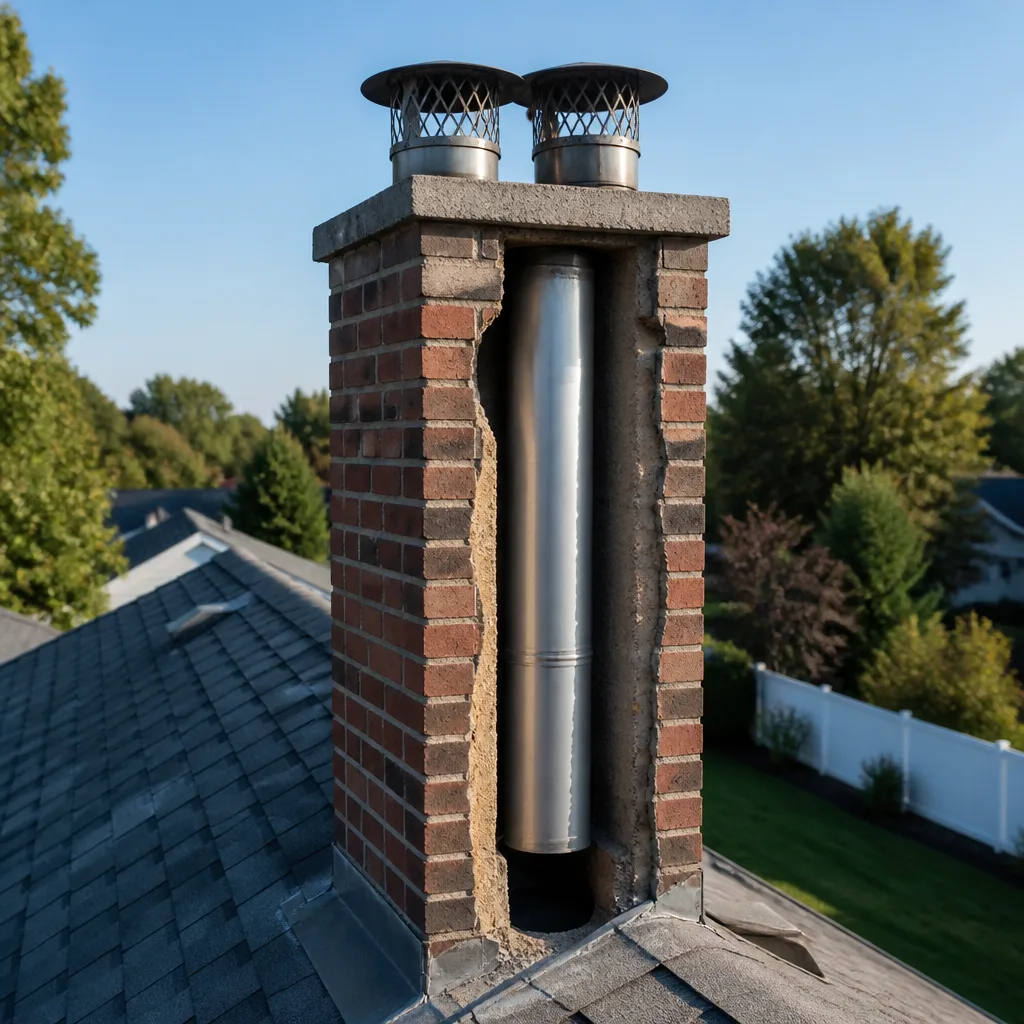 Flue relining
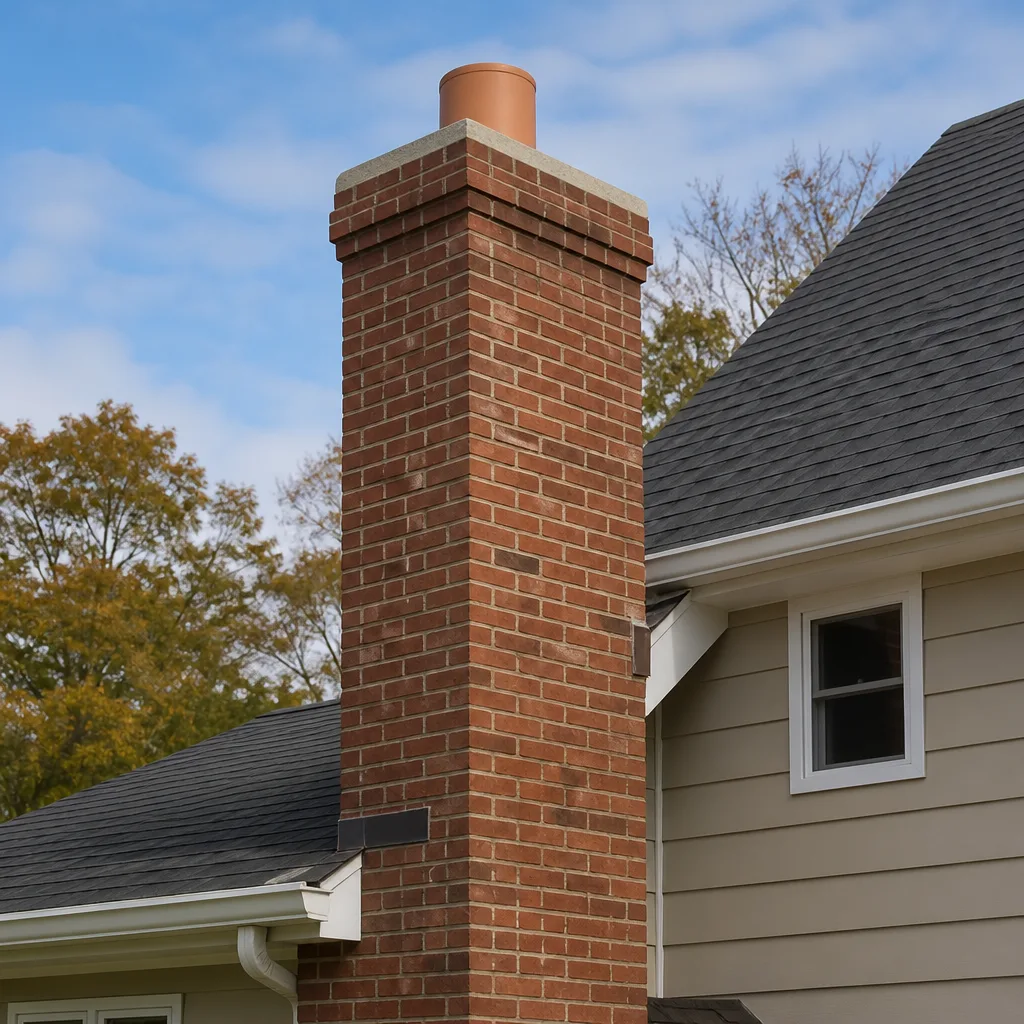 Masonry repair
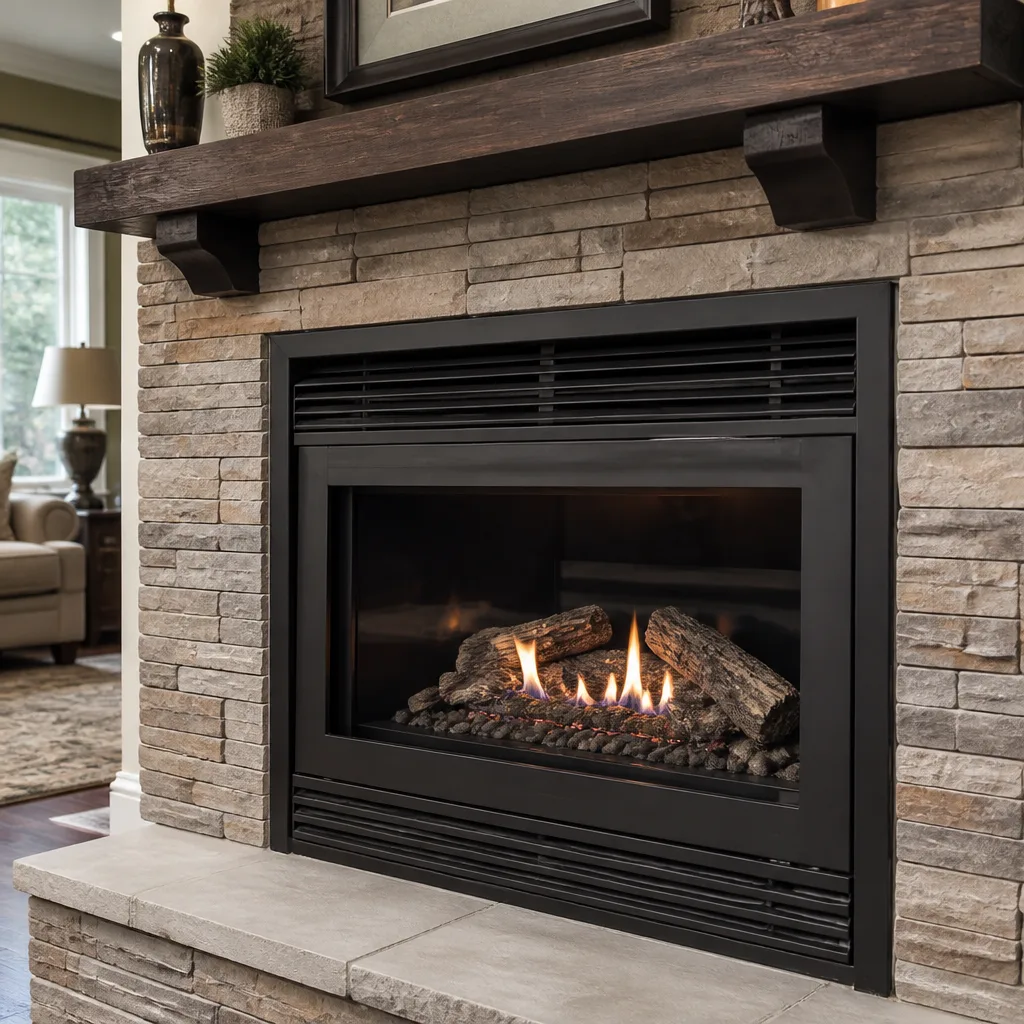 Gas fireplace service
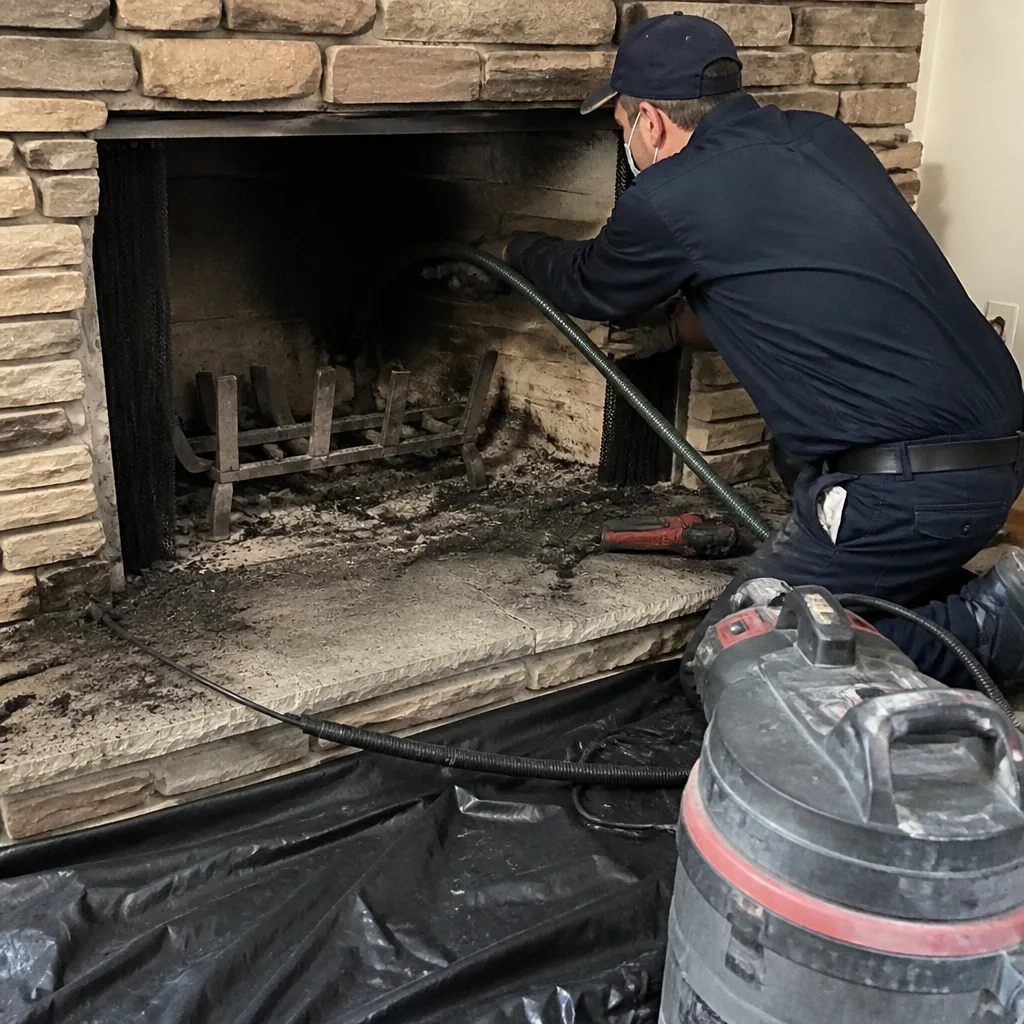
Level 1 sweep and inspection to the NFPA 211 annual standard - flue, crown, cap, and flashing checked and photographed
Chimney sweep logs do not sweep chimneys. They loosen some creosote - which then falls where a brush and vacuum still have to collect it.
DIY vs Professional Chimney Cleaning: The Carlsbad Homeowner’s Decision Guide
A chimney cleaning kit from a home improvement store cleans the flue walls. It doesn’t tell you whether the tile liner behind the soot is cracked, which is the part that actually prevents a house fire. Those are two completely different jobs, and in Carlsbad, where salt air works on chimney hardware year-round and coastal moisture hides inside mortar joints, the gap between what a homeowner can see and what a professional can assess is wider than most people realize. This guide lays out exactly what you can competently handle yourself, what you genuinely cannot, and how to make the call without wasting money or taking on risk you didn’t know you had.
Styles & brands we work with
Quick Answer
DIY chimney cleaning is reasonable for light surface soot removal and routine exterior checks in Carlsbad, but professional cleaning is the right call any time creosote buildup exceeds 1/8 inch, the chimney is more than 10 years old without a recent inspection, or you burn wood more than twice a week during the season. The deciding factor isn’t elbow grease. It’s whether you can verify the flue liner is intact and the chimney structure is sound, because neither can be assessed with a store-bought brush and neither failure announces itself until it’s dangerous.
Table of Contents
- What DIY Chimney Cleaning Actually Means
- What Professionals Do Differently
- Carlsbad-Specific Factors That Change the Math
- The Insurance and Liability Calculus in California
- The Three-Variable Decision Matrix
- Cost Comparison: DIY vs Professional in Carlsbad
- What You’d Actually Need to DIY It Right
- Common Mistakes to Avoid
- When to Call a Professional
- Frequently Asked Questions
- The Bottom Line
What DIY Chimney Cleaning Actually Means
Most homeowners picture DIY chimney cleaning as running a brush up and down the flue until the soot stops falling. That part is doable. You can buy a chimney brush kit, fiberglass rods, a tarp, and a shop vacuum for somewhere around $80 to $150, watch a few tutorials, and physically remove surface creosote from the flue walls. The work is dirty, it’s awkward, and it takes an afternoon, but it’s not complicated in the mechanical sense.
The problem is that removing soot is the smallest part of what a chimney cleaning is supposed to accomplish. A proper cleaning has four components, and only one of them involves the brush:
- Creosote removal from the flue interior. This is the brush step, and the only part most DIY approaches address.
- Flue inspection using a camera or mirror to check for cracks, gaps, spalling tiles, or liner deterioration. Store-bought kits don’t include this, and a flashlight from the top or bottom can’t see the middle of a 20-foot flue.
- Smoke chamber and damper assessment. These areas accumulate creosote unevenly and are where airflow restrictions most often begin. The damper in particular warps over time, and a warped damper changes burn dynamics in ways that accelerate creosote formation.
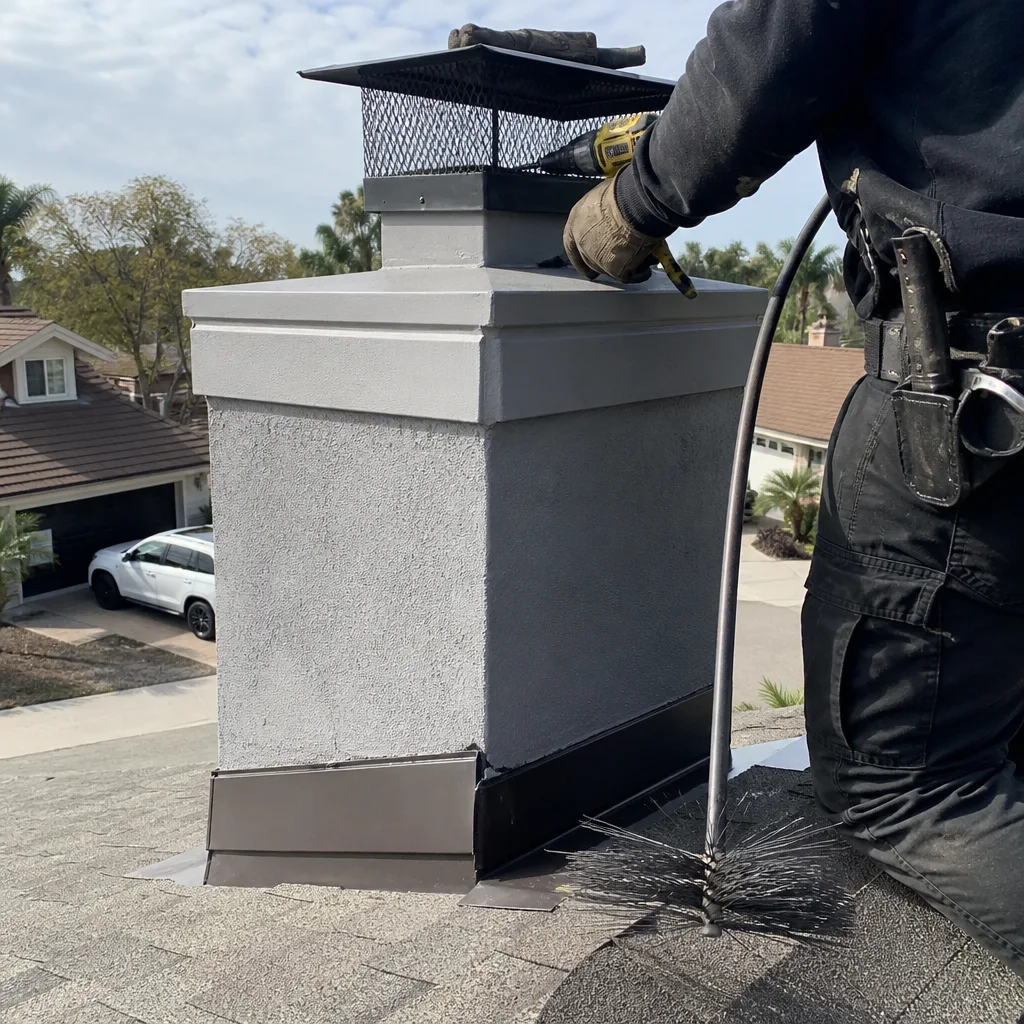
- Structural check of the crown, cap, flashing, and exterior masonry. This requires getting on the roof, which in Carlsbad means dealing with tile or steep-pitch slopes on many homes.
When homeowners say they “cleaned the chimney,” what they generally mean is they completed step one and then looked up the flue with a phone camera. That’s not a cleaning in any meaningful fire-prevention sense. It’s a surface wipe. The flue liner behind what you brushed is the component that contains the fire and channels heat. If it’s compromised, the cleanest soot-free chimney in Carlsbad is still a house fire waiting to happen.
What Professionals Do Differently
The difference between a DIY cleaning and a professional chimney sweep comes down to one sentence: we can see what you can’t. Our Chimney Sweep in Carlsbad service includes a full video inspection of the flue interior, which is the industry-standard way to verify liner integrity. That inspection is what turns a cleaning from a cosmetic exercise into a safety procedure.
Here’s what a professional sweep actually does that a homeowner with a brush kit can’t replicate:
- Video camera inspection of the entire flue length, including the smoke chamber and damper seat. Cracks as small as 1/16 inch show up clearly on camera, and in a chimney, a 1/16-inch crack is a pathway for heat and gases into your wall cavity.
- Creosote stage assessment. Creosote comes in three stages, from flaky soot to tar-like glaze. Stage three creosote cannot be removed with a brush at all. It requires chemical treatment or mechanical rotary removal, and attempting to brush it just polishes the surface while leaving the fuel intact.
- Combustible clearance verification. Building code requires specific distances between the flue and any framing or insulation. A camera inspection confirms whether the original installation met code or whether settlement has shifted things out of spec.
- Draft testing. A professional checks whether the chimney actually pulls air properly. In Carlsbad, the marine layer and frequent atmospheric inversion can affect draft in ways that vary by season and chimney height.
We also carry the repair capability to act on what the inspection finds. If the camera shows a cracked tile or a deteriorated section of liner, we can often resurface the flue with HeatShield rather than sending you to another contractor for a full reline. That’s a repair path most sweeps don’t offer because they don’t stock the materials. We do. If the damage warrants a new liner, we install DuraFlex systems, which are the same flexible stainless liners specified by specialty chimney contractors nationwide, not a big-box substitute.
Carlsbad-Specific Factors That Change the Math
Every coastal city has its own chimney pathology. Carlsbad’s is salt air plus moisture plus marine layer, and those three factors interact with masonry in ways that make visual inspection misleading. Here’s what we see regularly in homes from La Costa to Bressi Ranch to the Village:
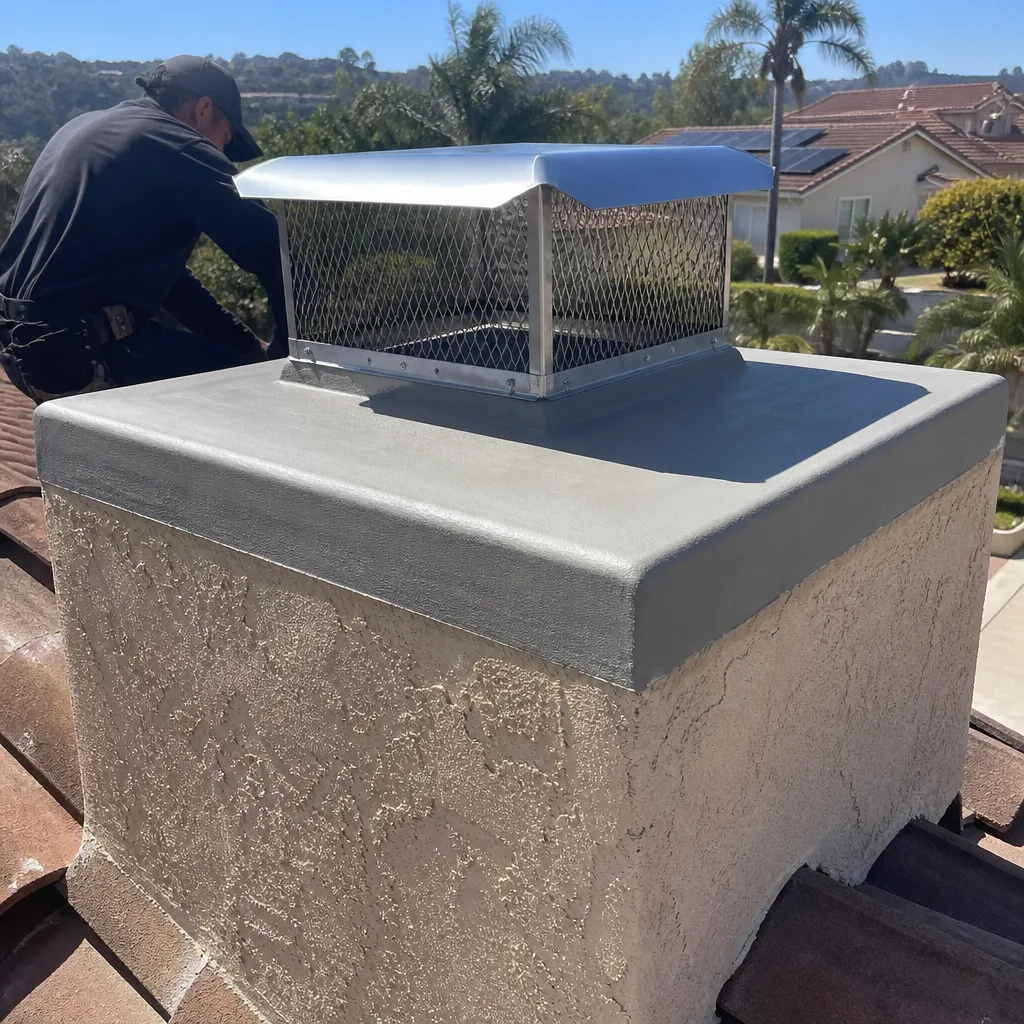
Salt air corrosion on hardware. Chimney caps, dampers, and chase covers in Carlsbad corrode faster than they do inland. A cast-iron damper that looks fine from below can be rusted through at the pivot points. When the damper fails partially open, it changes the burn characteristics of every fire you light, and you’d never know it from the living room. We install Olympia Chimney and Copperfield caps and dampers for exactly this reason. They’re built for coastal exposure and last longer than the stamped metal parts most big-box stores sell.
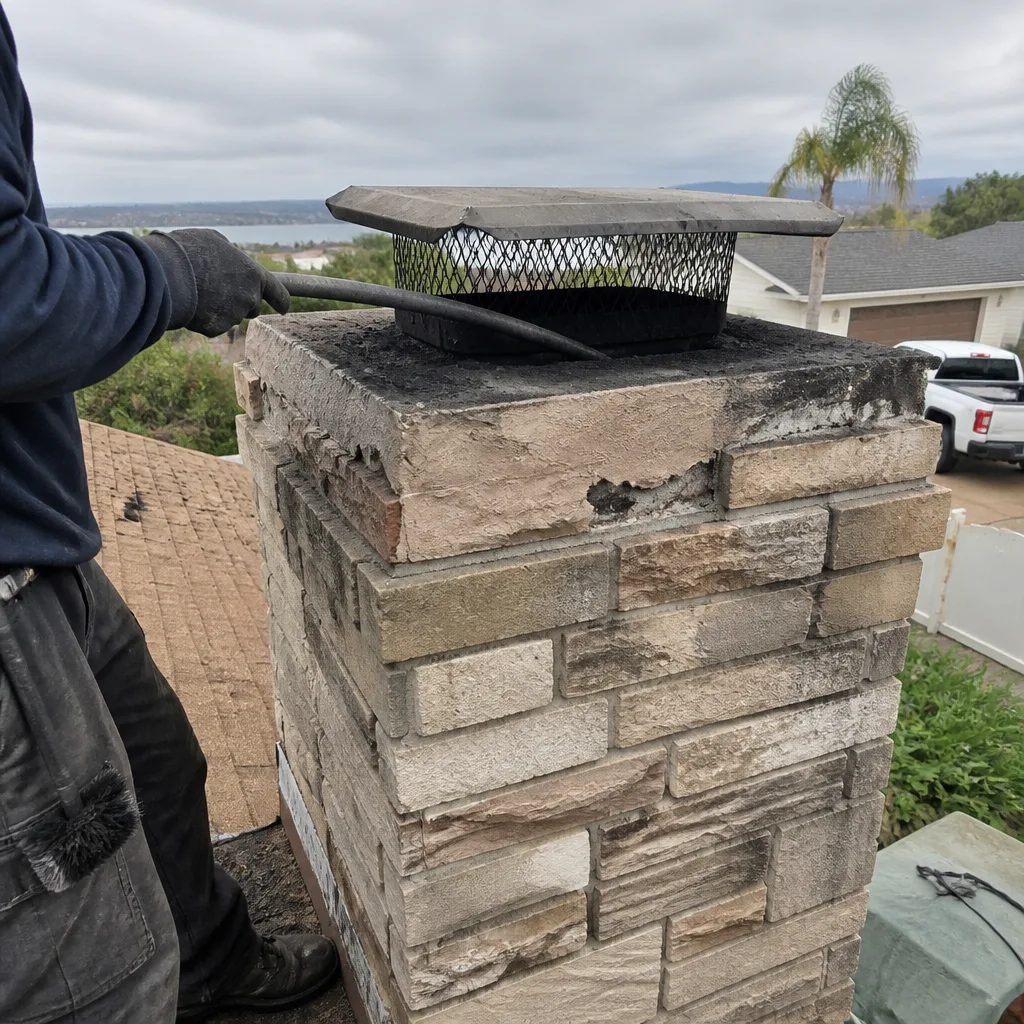
Moisture-compromised mortar that looks intact. This is the one that gets people. Carlsbad gets 12 to 13 inches of rain a year, but the marine layer delivers sustained moisture exposure at the crown and upper masonry. Mortar joints can be structurally weakened from years of this damp cycling while still looking perfectly normal from the ground. Tap on them and they crumble. You can’t do that tap test from a ladder at the gutter line, and you can’t do it at all if you’re not on the roof.
Roofline pitch and tile roof access. A significant portion of Carlsbad homes have Spanish tile or barrel tile roofs with pitches that make safe chimney access a real skill. Walking tile roofs requires knowing where to step and where not to. A cracked tile from one wrong foot placement is a several-hundred-dollar repair, and that’s before you consider the fall risk. We work on these roofs routinely. A homeowner who hasn’t been on their roof in five years isn’t going to safely navigate a 7:12 pitch with a chimney brush in one hand.
Marine layer and draft behavior. Carlsbad’s coastal fog and inversion conditions can make a chimney that drafts fine in January struggle in June. When you add a poorly maintained flue to naturally marginal draft conditions, you get smoke spillage into the living space. Homeowners often assume a smoky fire means the wood is wet, when the real issue is flue condition interacting with local atmospheric conditions.
The Insurance and Liability Calculus in California
Here’s the part most DIY guides won’t tell you because they’re not written by people who’ve dealt with California insurance claims. If you clean your own chimney and that chimney later has a fire, your insurance carrier will investigate. One of the first things they’ll ask for is documentation of the last professional chimney inspection and cleaning.
If you say you did it yourself, the follow-up question is: based on what training, using what equipment, with what inspection of the flue interior? If you can’t answer those questions with anything beyond “a brush from Home Depot and a YouTube video,” you’ve handed the adjuster a reason to delay, reduce, or deny the claim. California insurers have seen too many DIY chimney cleanings that removed surface soot while leaving a cracked liner in place. They know the pattern. They ask the question specifically because they expect a certain answer.
This isn’t a scare tactic. It’s the actual claims environment in California. A professional cleaning comes with a receipt and a documented inspection that establishes you performed reasonable due diligence. That documentation is worth something in claims processing. It’s also worth something in a resale disclosure, because a buyer’s inspector will ask when the chimney was last professionally evaluated and whether liner integrity was verified.
Our Chimney Repair in Carlsbad service is built around documentation. Every sweep includes a written report with findings, photos where relevant, and a clear statement of flue condition. If nothing is wrong, you have a dated professional record. If something is wrong, you know before it becomes a claim.
The Three-Variable Decision Matrix
If you want a clear-eyed framework for deciding whether DIY chimney cleaning is reasonable in your situation, here it is. Three variables determine the answer, and you need honest answers to all three.
Variable 1: Usage frequency. How often do you actually burn fires?
- Occasional use (a few fires per year, mostly decorative): DIY surface cleaning is defensible if the other two variables check out, but you should still have a professional inspection at least once every three years. Light use doesn’t eliminate creosote, it just slows the accumulation.
- Regular use (weekly fires during the cooler months, October through March in Carlsbad): Professional cleaning annually. Weekly burning builds creosote faster than you think, especially if you burn softwood or any wood that isn’t fully seasoned.
- Heavy use (fires multiple times per week, or the fireplace is a primary heat source for part of the year): Professional cleaning twice per year, and don’t consider DIY at all. Heavy use creates stage two and three creosote that no brush kit will remove.
Variable 2: Chimney age and repair history.
- Under 10 years old, no known issues, professionally inspected in the last 24 months: DIY surface cleaning between professional inspections is reasonable. You have a recent baseline and a known-good liner.
- 10 to 25 years old: Professional cleaning with inspection. This is the age range where liner tiles start cracking, mortar starts failing, and dampers start warping. You want eyes on the flue interior annually.
- Over 25 years old, or unknown history: Professional cleaning and inspection before you burn another fire. You have no verified baseline of liner condition, and in Carlsbad’s coastal climate, a 25-year-old chimney has been through two and a half decades of salt air and moisture cycling.
Variable 3: Last professional inspection date.
- Less than 12 months ago, no issues noted: DIY surface cleaning is fine as a maintenance measure.
- 1 to 3 years ago: Schedule a professional cleaning and inspection. You’re outside the window where a professional opinion is current.
- More than 3 years ago, or never: Professional cleaning and inspection, full stop. You have no verified information about liner condition, and the cost of finding out is a fraction of what a chimney fire costs.
If your answers to all three variables point toward professional service, that’s not a coincidence. Most Carlsbad homes with wood-burning fireplaces fall into the professional-service category, not because homeowners are incapable, but because the chimneys are old enough and the coastal climate is corrosive enough that visual checks aren’t sufficient. The smart DIY move in Carlsbad isn’t cleaning your own chimney. It’s knowing which parts you can safely maintain and which parts need a professional, and doing the DIY parts while leaving the verification to someone with a camera and the training to read what it shows.
Cost Comparison: DIY vs Professional in Carlsbad
Let’s put real numbers on this, because cost is usually the first thing homeowners ask about. Here’s what DIY actually costs when you do it properly, versus what professional cleaning costs in Carlsbad.
True DIY Cost (Doing It Right, Not Cheap)
| Item | Cost Range | Notes |
|---|---|---|
| Chimney brush kit with rods | $40 – $90 | Must match flue diameter; wrong size does nothing useful |
| Drop cloths and plastic sheeting | $15 – $30 | Fireplace cleanup is genuinely messy |
| Shop vacuum with HEPA filter | $80 – $150 | Standard shop vac will not contain fine soot |
| Ladder rated for roof access | $150 – $300 | You need roof access for cap and crown checks |
| Personal protective equipment | $25 – $50 | N95 minimum; goggles and gloves required |
| Total DIY investment | $310 – $620 | One-time, reusable for future cleanings |
That’s the honest number. You can spend less by skipping the HEPA filter or the proper ladder, but then you’re doing a worse job and breathing fine soot in the process. The $40 brush kit on a shelf is not the real cost of DIY. The real cost is the brush plus everything else required to do the job without ruining your living room carpet and your lungs.
Professional Cleaning Cost in Carlsbad
Professional chimney sweeping in Carlsbad typically runs between $180 and $350 depending on chimney height, accessibility, creosote condition, and whether it’s been more than two years since the last cleaning. A chimney with heavy glaze creosote or difficult roof access falls toward the upper end. The price includes the full video inspection, the cleaning, the safety check of damper and cap, and a written report.
The gap between DIY and professional is real, but it’s smaller than the initial numbers suggest once you factor in equipment. Your first DIY cleaning costs roughly the same as one professional visit when you buy the right tools. After that, DIY is cheaper on paper. But paper doesn’t account for what the professional visit includes: verified liner condition, documented inspection for insurance purposes, and the ability to act on what’s found. If your DIY cleaning misses a hairline liner crack that becomes a chimney fire, the “savings” equation reversed itself by a factor of about a thousand.
Call (833) 589-8164 for an exact quote on your chimney. Estimates are free, and we’ll tell you plainly if the cleaning can safely wait.
What You’d Actually Need to DIY It Right
If you’ve worked through the decision matrix and you’re still in the DIY zone, here’s what doing the job properly actually requires. Not the store-bought kit version. The version that doesn’t leave you with a false sense of safety.
- A correctly sized chimney brush. Measure your flue diameter before buying anything. A brush that’s too small doesn’t contact the walls. A brush that’s too large can get stuck, and extracting a stuck brush from a flue is a genuinely miserable job that sometimes ends with a professional call anyway.
- Fiberglass or poly rods, not metal. Metal rods scratch flue tiles, and scratched tiles accumulate creosote faster and fail sooner. Buy the right rod material for your liner type.
- Full PPE. N95 mask at minimum, safety goggles, work gloves, long sleeves. Creosote dust is a skin irritant and a respiratory hazard. Some of the compounds in creosote are carcinogenic with repeated exposure. Don’t treat this like dusting a shelf.
- Interior containment. You’ll need to seal the fireplace opening with plastic sheeting and tape before you start brushing from above. Every gap is a leak point, and fine soot finds every gap. Lay drop cloths across the entire hearth area and a few feet out.
- Roof safety equipment. This is the one DIY guides gloss over. You need a properly rated extension ladder, and on a Carlsbad tile roof, you need to understand tile walking technique or you’ll crack tiles. You need a second person on the ground for ladder stability. You need to be realistic about whether your roof pitch is something you’re comfortable working on. A fall from even a single-story roof is a life-changing event. A fall from a two-story tile roof is often fatal.
- A plan for the creosote debris. What you brush down lands in the fireplace, and then you’re cleaning it out. That means more plastic, careful vacuuming with a HEPA filter, and disposal in a sealed bag. You’d be surprised how much material comes out of a chimney that doesn’t look that dirty from the top.
Here’s the thing we’d tell a friend: the brushing itself is boring and straightforward. The part that makes DIY genuinely risky is the roof access and the false confidence that comes from seeing clean flue walls without seeing what’s behind them. In our experience with hundreds of Carlsbad chimneys, the light-buildup chimneys where homeowners DIY successfully are the exception, not the rule. Coastal moisture creates conditions that hide problems, and DIY cleaning doesn’t reveal them.
Common Mistakes to Avoid
- Assuming a clean-looking flue top means the whole liner is fine. Creosote accumulates unevenly, and the sections you can see from the top are rarely the worst. The smoke chamber and upper third of the flue are the typical hot spots. A visual check from the top-down misses most of what matters.
- Using a metal brush on a tile liner. Wire brushes scratch the tile surface, and those scratches become creosote anchors. Scratched tile liners also crack more easily under thermal stress. Match the brush material to the liner type, or better yet, let a professional handle it.
- Skipping the damper inspection because the damper “works.” In Carlsbad’s salt air, dampers corrode at the hinge points even when they still operate. A damper that’s partially compromised changes draft dynamics and accelerates creosote formation. You won’t see it from the firebox floor without a mirror and a flashlight angled correctly.
- Burning unseasoned wood and blaming the chimney for the resulting buildup. This one comes up constantly in Carlsbad because people buy firewood in the fall and burn it the same season. Unseasoned wood creates wet smoke that condenses into glaze creosote rapidly. No chimney cleaning schedule can keep up with consistently wet wood. The Supreme Chimney Sweep home page explains the connection between wood moisture and chimney performance if you want the full picture.
- Treating a ceramic log set or gas fireplace like it doesn’t need chimney service. Gas fireplaces still vent combustion gases, and the venting still requires inspection. The annual cleaning schedule may be different, but the inspection need doesn’t go away.
- Doing a DIY clean and then never following up with a professional inspection. This is the insurance problem from earlier. A DIY clean with no professional verification is worth roughly nothing as a safety record. You removed soot. You didn’t verify anything about liner condition. The two are not the same, and insurance adjusters know the difference.
- Waiting until there’s a visible problem to act. Chimney problems don’t announce themselves. They accumulate silently inside walls and flues until the smoke backs up, or worse. The homeowners who avoid chimney fires aren’t the ones who respond to symptoms. They’re the ones who have inspections before symptoms exist.
When to Call a Professional
There are specific scenarios where DIY chimney cleaning stops being a reasonable option and becomes a genuine risk. If you burn fires more than twice a week during the season, you need professional cleaning annually, full stop. If your chimney is more than 15 years old and hasn’t been inspected in over two years, book an inspection before you burn again. If you see any of the following: white staining on exterior brick, rust on the damper or cap, smoke spilling into the room on windy days, or a strong smoky odor in the house even when the fireplace is cold. These are indicators of problems that cannot be brushed away. If you’ve already attempted a DIY cleaning and couldn’t get the brush through, or you dropped the brush, or you have any doubt about whether the flue is clean: stop and call. Supreme Chimney Sweep offers free estimates in Carlsbad. Call (833) 589-8164 and we’ll assess it properly.
Frequently Asked Questions
Professional chimney cleaning in Carlsbad typically costs between $180 and $350, depending on flue height, roof access difficulty, and creosote condition. Heavier buildup, especially glaze creosote, adds labor and chemical treatment time. The price includes a video inspection and written report. Call (833) 589-8164 for a specific quote on your chimney.
For homes that burn wood fires weekly during the cooler months, annual professional cleaning and inspection is the standard recommendation. Occasional users can stretch to every two years, but no chimney in Carlsbad should go more than three years without a professional inspection, regardless of how little it’s used. Coastal moisture and salt air corrode chimney components even when the fireplace sits idle. If you also need to think about the full ventilation picture, our Dryer Vent Cleaning in Carlsbad service pairs naturally with chimney maintenance, since both systems hold the same fire-hazard profile in a home.
Creosote accumulates on the flue walls, and creosote is combustible. Once buildup reaches about 1/8 inch, you have enough fuel for a chimney fire. A chimney fire burns at extremely high temperatures and can crack the tile liner, at which point future fires can spread into the wall cavity. The fire you have in your fireplace is safe because the liner contains it. What you’re maintaining when you clean the chimney is the integrity of that liner. Skip it long enough, and you’re betting the structural condition of that liner on nothing at all. Call (833) 589-8164 if you’re overdue, and we’ll get you documented and back to safe burning.
Creosote sweeping logs can loosen some stage one creosote, but they don’t remove it. The loosened material sits in the smoke chamber and on the smoke shelf until physically removed with brushes. In Carlsbad’s damp coastal air, loosened creosote absorbs moisture and becomes more flammable, not less. Sweeping logs are a maintenance aid between cleanings at best. They’re not a substitute for mechanical removal.
Sometimes, but not always. Hairline cracks and minor spalling can often be repaired with HeatShield resurfacing, which restores the inner flue surface without full relining. The decision depends on crack location, extent, and whether the structural integrity of the flue is compromised. Get a camera inspection and ask to see the footage. A reputable sweep will show you exactly what they’re seeing and explain why the recommended repair path makes sense. If a full reline is indicated, we install DuraFlex systems, which carry the same spec as what specialty contractors use nationwide. The key is evidence. Don’t accept a liner recommendation without seeing the camera footage yourself.
They’re separate systems but share a common failure mode: combustible accumulation in an exhaust pathway that doesn’t get inspected until there’s a problem. We handle both because they’re the two leading ventilation fire hazards in a home, and scheduling them together saves a second service visit. The Chimney Sweep in Carlsbad service and the Dryer Vent Cleaning in Carlsbad service both include inspection and documentation, and both are priced transparently before we start.
The Bottom Line
The DIY vs professional chimney cleaning decision in Carlsbad comes down to what you’re actually trying to verify. If you want surface soot removed and you’re willing to do the work safely, DIY is defensible for occasional users with newer chimneys and a recent professional inspection on record. If you want to verify that your chimney is safe to burn in, which is what the whole exercise should be about, you need professional equipment and trained eyes. Carlsbad’s coastal climate makes the distinction sharper than it is inland. Moisture hides in mortar. Salt eats hardware. And the flue liner, the only component standing between your fire and your walls, cannot be evaluated from the top with a flashlight. We’ve cleaned and repaired hundreds of Carlsbad chimneys, from the Village to La Costa, and the homes that stay safe are the ones where homeowners understand the difference between cleaning and verification. If you’re ready to get yours documented and done right, call (833) 589-8164 for a free estimate.
Written by the team at Supreme Chimney Sweep, serving Carlsbad since 2012.
See the difference
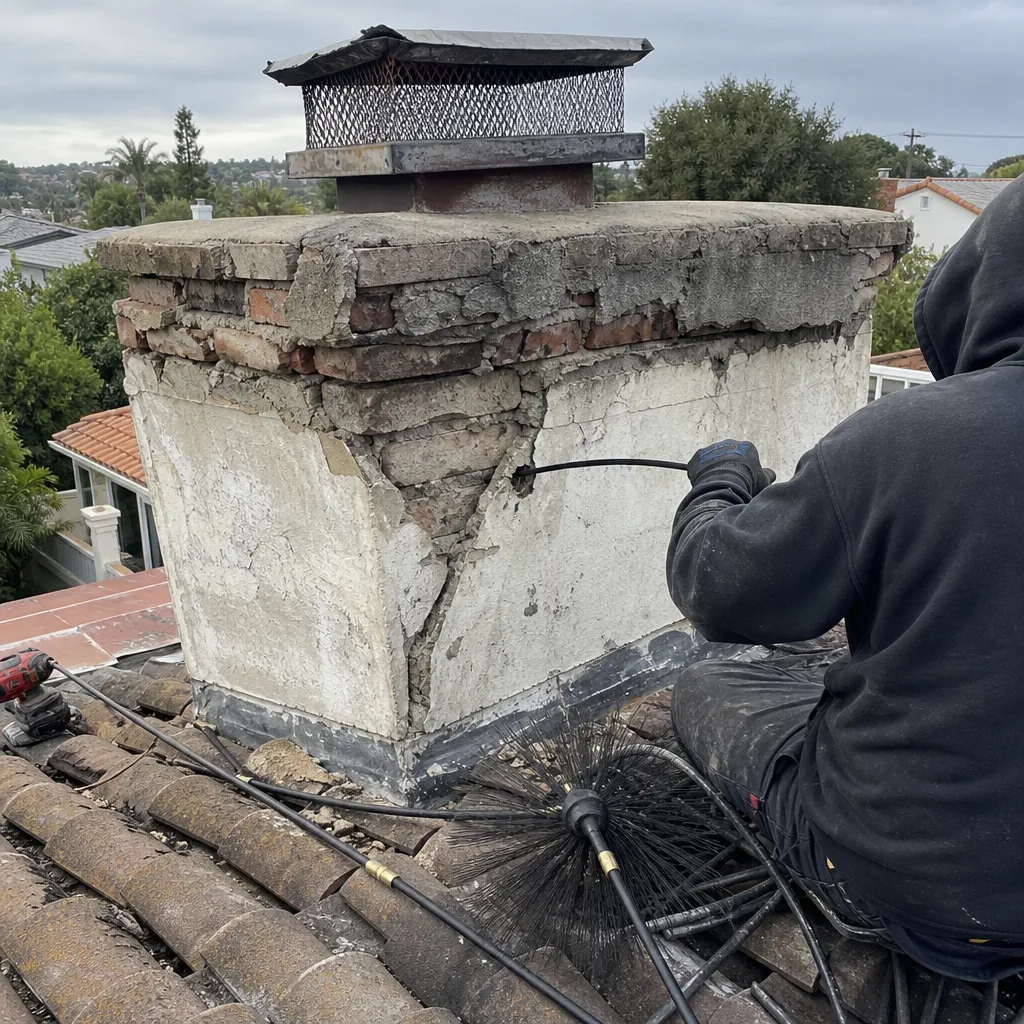 Before
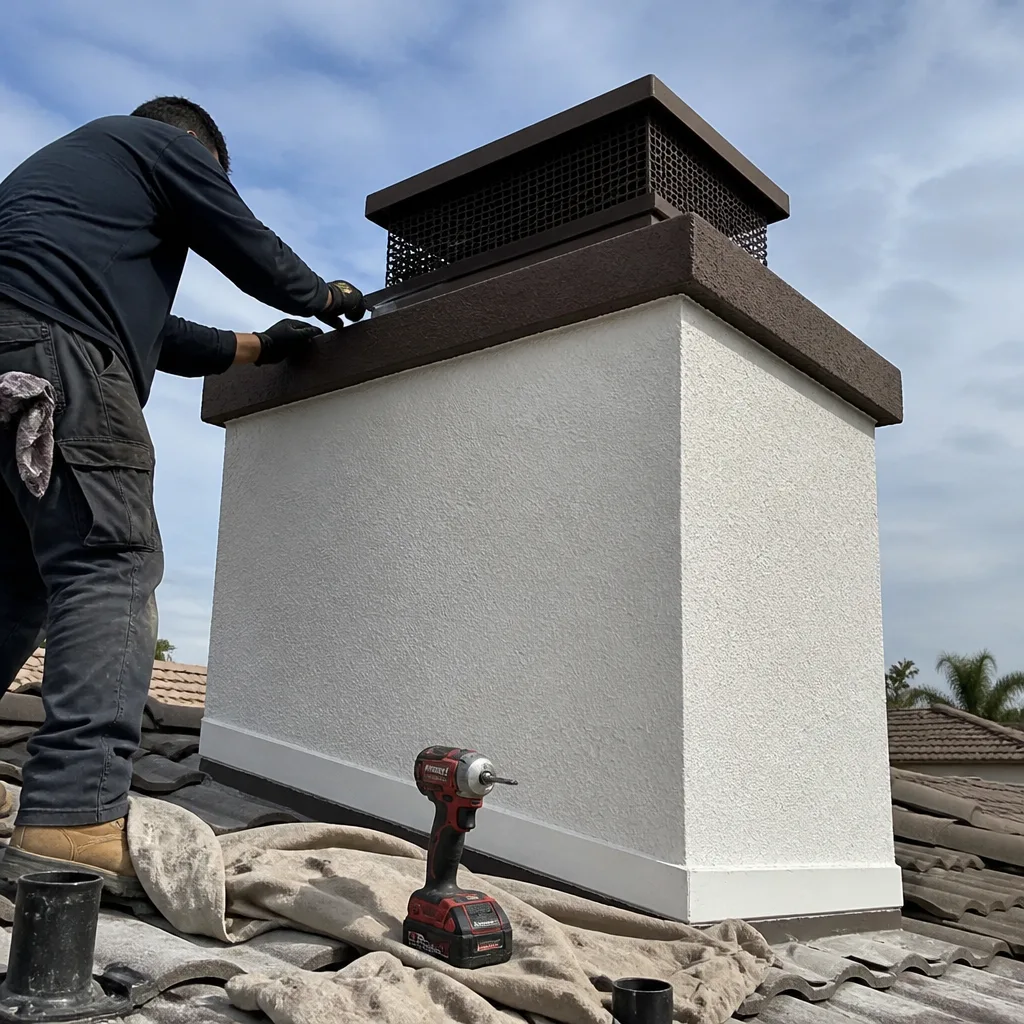 After
 Before
 After
 Before
 After