
Last updated October 30, 2026
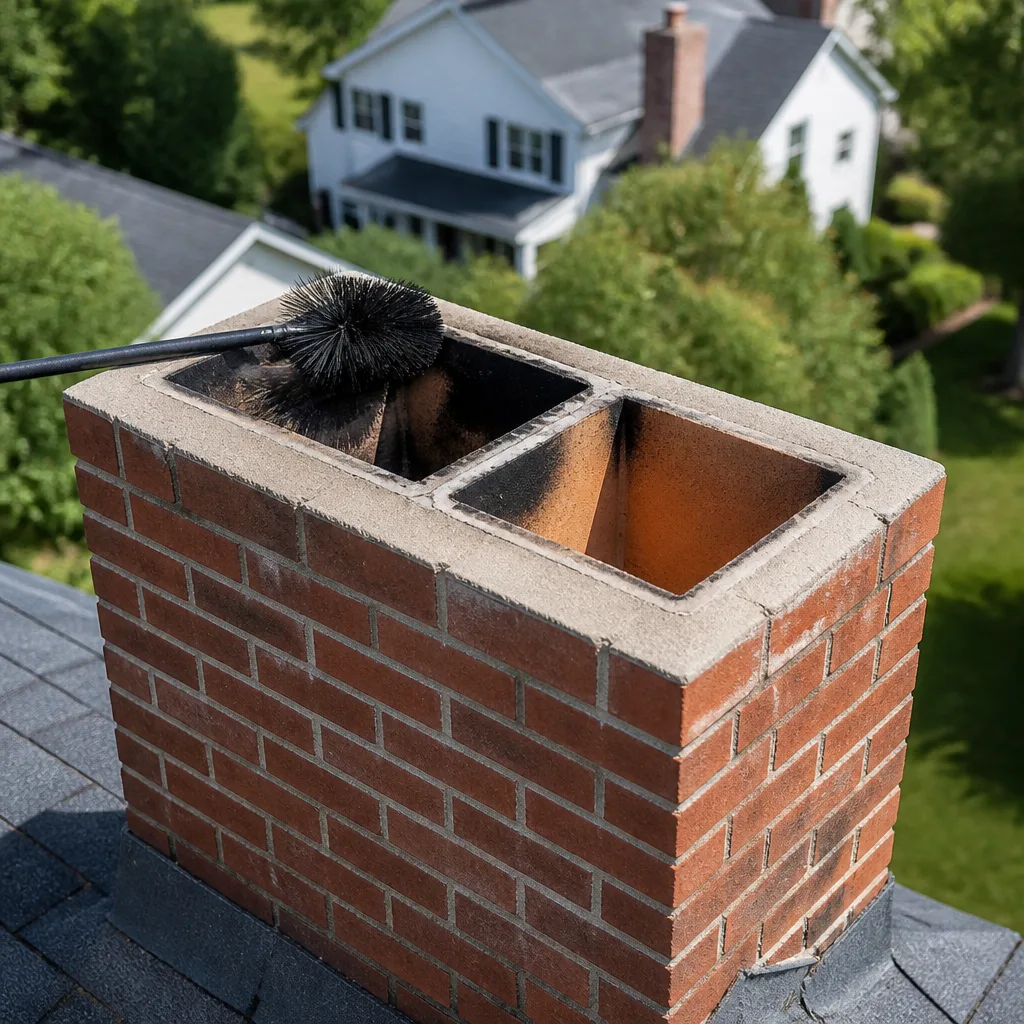 Sweep & inspection
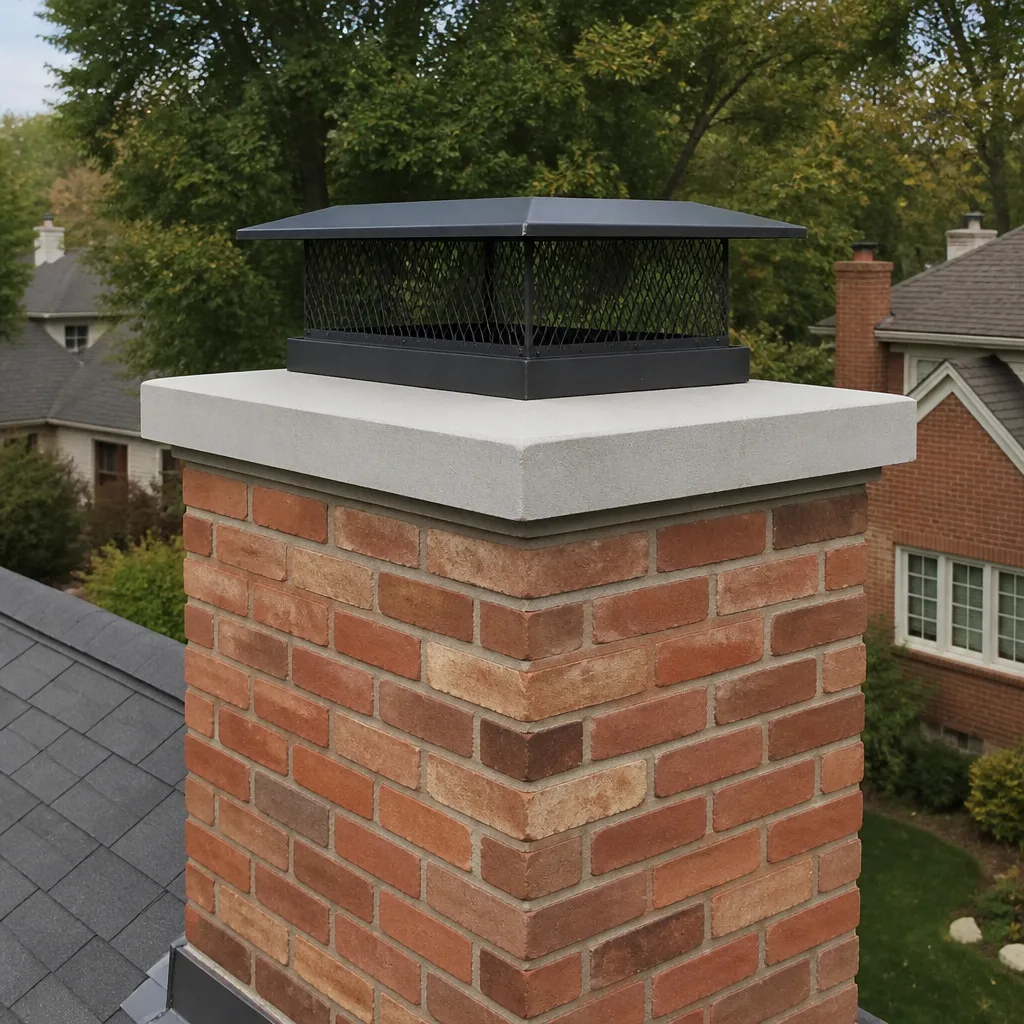 Caps & crowns
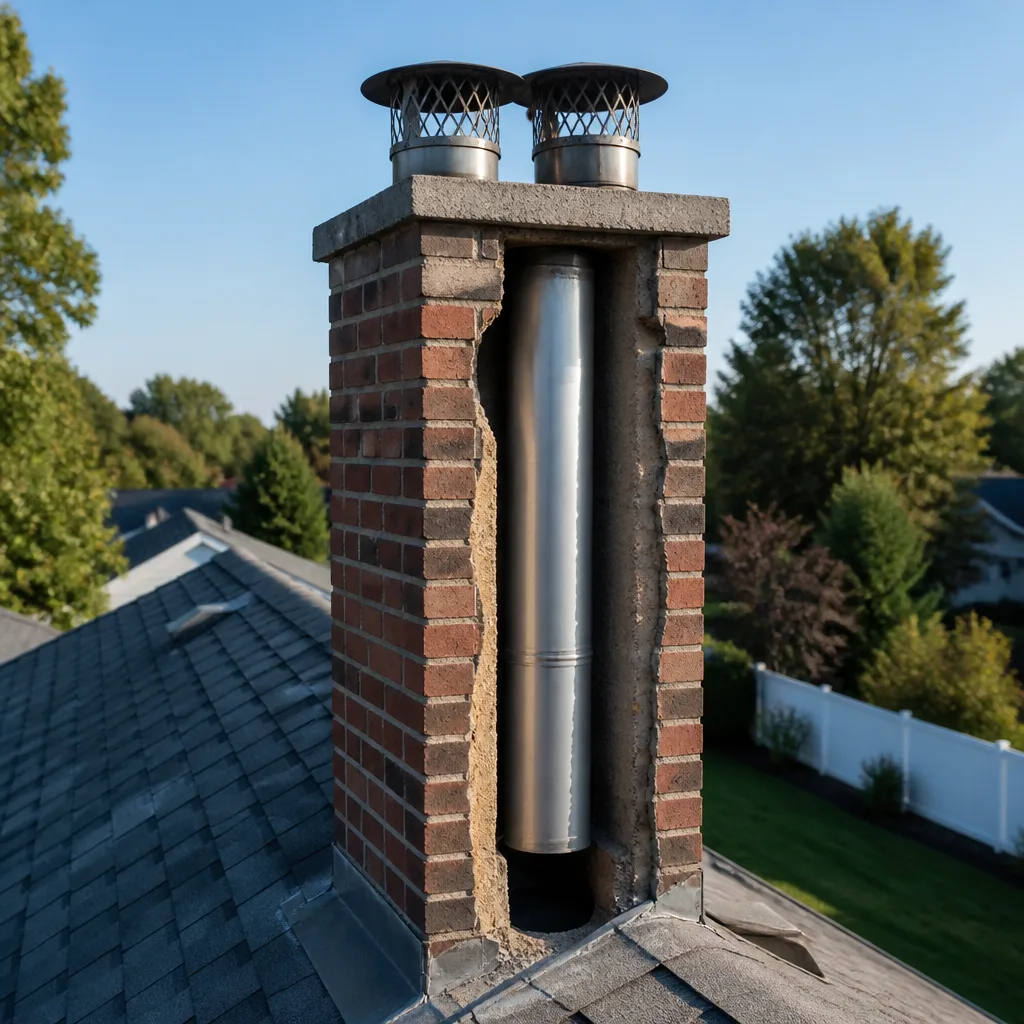 Flue relining
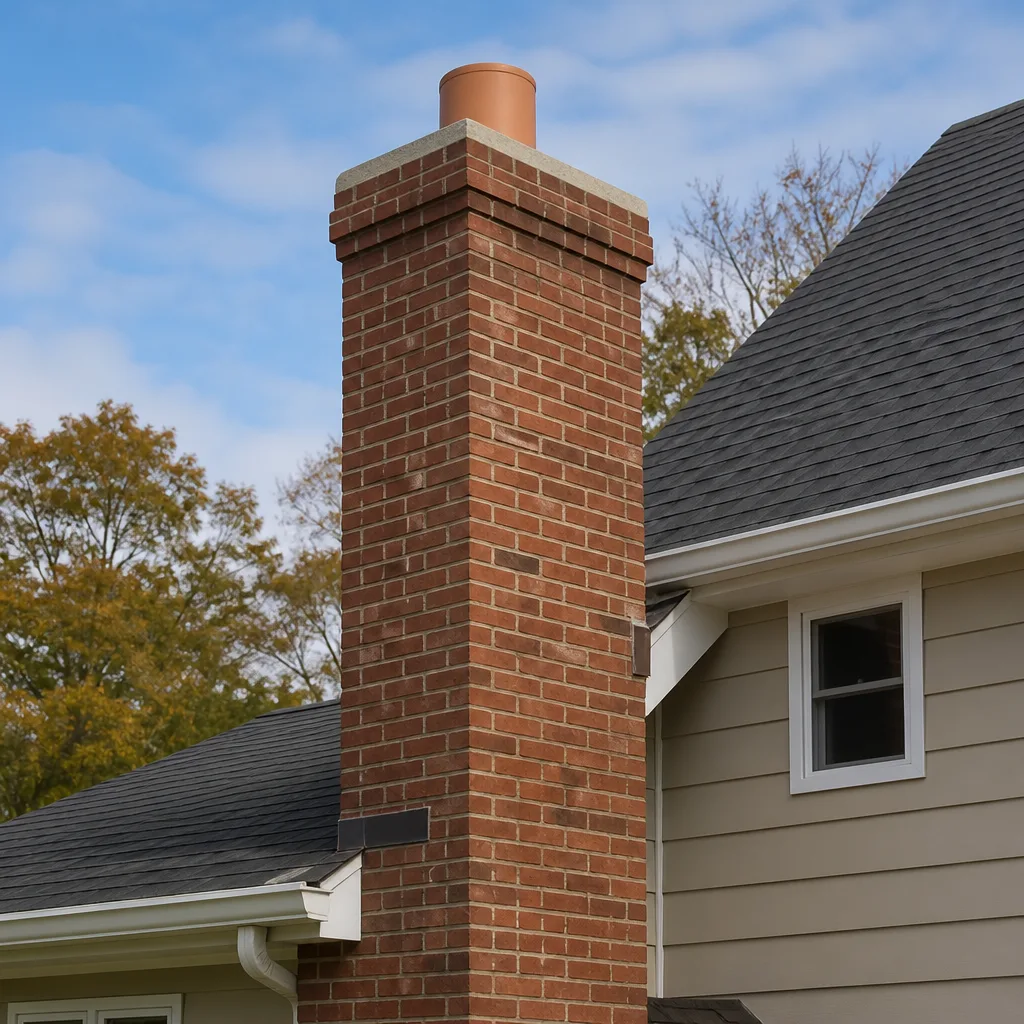 Masonry repair
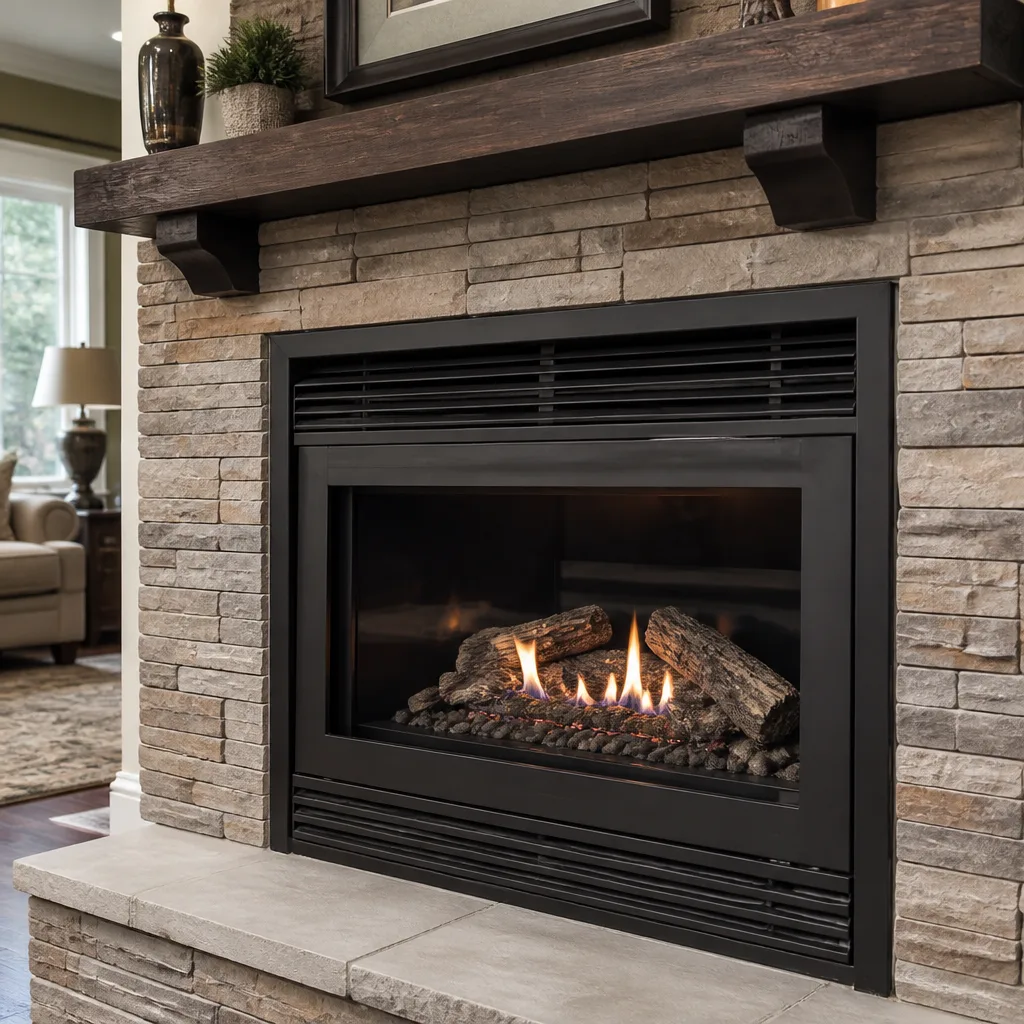 Gas fireplace service
Level 1 sweep and inspection to the NFPA 211 annual standard - flue, crown, cap, and flashing checked and photographed
Chimney sweep logs do not sweep chimneys. They loosen some creosote - which then falls where a brush and vacuum still have to collect it.
Chimney Sweep Troubleshooting: Common Problems and How to Fix Them
Smoke backing into your living room isn’t one problem. It’s at least six different problems with six different fixes, and guessing wrong doesn’t just waste money, it can make the underlying issue worse. A chimney is a system, not just a hole in your roof. When one part of that system fails, the symptom shows up somewhere else entirely. This guide maps what you’re seeing, smelling, and hearing back to the actual root cause, so you know whether to schedule a chimney sweep, stop using the fireplace today, or grab a flashlight and check something yourself.
In Carlsbad, we deal with a specific set of conditions: coastal humidity, salt air, and homes built across several decades with wildly different chimney construction standards. What works as a fix for a 1970s tract home in La Costa isn’t necessarily the right answer for a newer build in Bressi Ranch. We’ll get into those differences below.
Quick Answer
Most chimney problems fall into five categories: blockages, creosote buildup, draft failure, moisture intrusion, and structural wear. The fix depends entirely on which category you’re in, and the only reliable way to know is a camera inspection of the flue interior. Symptoms like smoke rollout, persistent odors, and staining are diagnostic clues, not standalone problems.
Styles & brands we work with
Table of Contents
- Smoke Rollout: Why Smoke Comes Back Into the Room
- Chimney Odor: When It’s Not Creosote
- Draft Problems: Cold Air, Weak Fires, and Backdrafts
- Visible Staining: White Efflorescence, Dark Streaks, and Rust
- Strange Sounds: Draft Noise, Animal Activity, and Creaking
- Blockages: What Actually Stops Up a Chimney
- Creosote Buildup: The Problem You Can’t See
Smoke Rollout: Why Smoke Comes Back Into the Room
When smoke pours back through the fireplace opening instead of going up the flue, your chimney is telling you something specific. The cause is almost always one of four things: a restriction in the flue, negative air pressure in the house, a cold flue that won’t establish draft, or a firebox-to-flue size mismatch.
Here’s what each one looks like in practice.
- Flue restriction: Partial blockages from creosote, animal nests, fallen mortar, or a damaged liner create resistance. Smoke hits the restriction and seeks the path of least resistance, which is back into your living room. This is the most common cause we find in Carlsbad homes, especially older chimneys with unlined or clay-tile flues.
- Negative air pressure: Modern homes are tight. Exhaust fans, furnaces, and dryers pull air out of the house, and if there’s no make-up air source, the chimney becomes the intake. You’ll notice smoke rollout worsens when the kitchen fan is on or the furnace kicks in.
- Cold flue: On cool coastal mornings, the air inside a masonry chimney is heavier than the air inside your house. Light a fire and smoke has nowhere to go until the flue warms up. You’ll see this as a slow, lazy rollout in the first ten minutes of a fire.
- Size mismatch: A fireplace opening that’s too large for its flue will always struggle. This is common in older Carlsbad homes where the original chimney was built for larger open-hearth fires and later fitted with inserts or glass doors that changed the airflow dynamics.
What you can check yourself: Start by confirming the damper is fully open. Then check whether rollout happens only when other exhaust appliances are running. If it happens every time regardless, you likely have a restriction and need a professional inspection. In our experience, smoke rollout that begins suddenly after years of normal operation is almost always a blockage or a sudden liner failure.
Chimney Odor: When It’s Not Creosote
Here’s one of the most commonly misdiagnosed chimney complaints we hear from homeowners: “The fireplace smells bad, so I probably need it swept.” Sometimes that’s right. But often the smell has nothing to do with creosote at all, and sweeping the flue won’t touch it.
Chimney odors break down into three distinct problems:
- Creosote smell: Smells like asphalt, tar, or a dank campfire. This is the smell of creosote deposits absorbing humidity from the air and releasing volatile compounds. It gets worse on humid days and during rain. Fix: a proper sweep to remove the deposits, then address whatever’s causing excessive creosote production, usually wet wood or restricted airflow.
- Moisture smell: Smells musty, earthy, or like wet concrete. This is water entering the chimney system, not a buildup problem. The culprit is usually a cracked crown, failed flashing, or spalling bricks. In Carlsbad’s coastal climate, salt-laden air accelerates this deterioration. Fix: diagnose the water entry point and repair it. Sweeping won’t help.
- Animal smell: Smells sharp, biological, often with flies near the fireplace in summer. This means something nested or died in the flue. Fix: removal, then a proper cap installation to prevent recurrence.
Here’s the key distinction: if the smell is worse in warm weather and absent in winter, it’s probably moisture, not creosote. If the smell is strongest when you run the furnace or central air, air is being pulled down through the chimney, carrying whatever is inside into your living space. A chimney cap with a good damper seal will stop that air pathway, but only after you fix the underlying moisture or debris problem.
For Carlsbad homeowners specifically, a wet-brick smell is more common than a creosote smell because our winter rains push water through cracks that summer drought opens up. If you smell musty air from your fireplace, call a chimney repair specialist rather than a cleaning-only sweep, or you’ll pay for a cleaning and still smell it. For help deciding who to call, see our guide on Choosing the Right Chimney Cleaning Brand: A Buyer’s Guide for Carlsbad.
Draft Problems: Cold Air, Weak Fires, and Backdrafts
Draft is the pressure difference that pulls smoke up and out. When draft fails, the symptoms are varied: fires that won’t stay lit, smoke that hangs at the firebox opening, cold air pouring into the room even when there’s no fire, and occasional backdrafts that push soot into the house.
The causes are just as varied.
- Inadequate flue height: A chimney that doesn’t extend far enough above the roofline won’t generate enough pressure difference. This is a structural problem, not a cleaning problem.
- Blocked or restricted flue: Same issue as smoke rollout, but the restriction is partial enough that only some smoke escapes. Poor draft is often the first symptom of a developing blockage.
- Air pressure imbalance: A house that’s under negative pressure will fight the chimney every time. This is especially true in newer Carlsbad construction with tight building envelopes.
- Flue sizing problems: Oversized or undersized flues relative to the appliance serving them. This is common where homeowners have swapped a wood-burning fireplace for a gas insert without resizing the flue.
- Downdrafts: Wind patterns across your roofline can push air down the chimney. Certain roof shapes and nearby trees or buildings make this worse.
How to distinguish a draft problem from a blockage problem without climbing on the roof:
- Open the damper and shine a bright flashlight up the flue from inside. If you can see the opening clearly and it’s round or square (not obscured), you’re probably not dealing with a major blockage.
- Light a match or a piece of newspaper and hold it in the firebox. If the smoke goes up, your draft is working at that moment. If it hangs or pushes back, you’ve got a draft failure.
- Note when the problem occurs. Only on windy days? Downdraft. When the kitchen fan is on? Pressure imbalance. Always? Probably restriction or sizing. Only in the first ten minutes? Cold flue.
Carlsbad’s microclimates matter here. Homes along the coast face different wind loads than homes in the inland valleys. A chimney that drafts perfectly in September may fail in December when the wind shifts. If you’re experiencing intermittent draft problems, document when they happen, the weather conditions, and whether any exhaust appliances were running. That information is more useful to a chimney professional than “it doesn’t work sometimes.”
Visible Staining: White Efflorescence, Dark Streaks, and Rust
Stains on your chimney are a diagnostic map. Each type points to a different root cause, and treating them as cosmetic issues means the real problem keeps getting worse.
White, chalky deposits (efflorescence): This is water-soluble salt being drawn through the masonry as moisture passes through the bricks. The water evaporates at the surface, leaving the salt behind. In Carlsbad, where salt is already in the air, this can appear rapidly. Efflorescence tells you water is getting into the chimney structure. It’s not just ugly; it’s evidence of active water intrusion. Over time, the same moisture cycle that creates efflorescence causes spalling, where brick faces crack off and mortar crumbles.
Dark streaks or black staining on the exterior: Two possibilities. Either soot is being deposited at a flue crack or gap, meaning combustion products are escaping inside the chimney structure, or water is running down from a failing crown and carrying debris with it. If the dark stains are near the top of the chimney, suspect a crown problem. If they appear along the body of the chimney on multiple sides, suspect water intrusion from above or failing mortar joints.
Rust stains: Rust means metal is deteriorating somewhere in the system. That’s typically a rusted damper assembly, a failing metal liner, or an improperly installed cap. Rust staining on the exterior of a masonry chimney indicates water is moving through the structure and picking up iron from inside components. If you see rust, you have both a moisture problem and a failing metal component.
Here’s the sequence every Carlsbad homeowner should know: staining appears first, then cracking and spalling follow, then structural instability becomes possible. A chimney that’s staining at year three will be crumbling at year seven if the water entry point isn’t fixed. Early intervention is significantly cheaper than rebuild work.
Strange Sounds: Draft Noise, Animal Activity, and Creaking
Chimneys make noise for four reasons, and each one tells you something different.
Wind howling or whistling: This is almost always a damper issue. Either the damper doesn’t seal properly when closed, or it’s the wrong type for the installation. A poorly sealing damper acts like a resonator, turning wind pressure into audible noise. The fix is usually a replacement damper, not a chimney repair. In older Carlsbad homes, we frequently find original throat dampers that have warped over decades of use and no longer seat properly.
Scratching, squeaking, or fluttering: This is animal activity. Birds, rodents, and raccoons all seek out chimneys as protected nesting sites. The sounds will be persistent and come from inside the flue. The solution is humane removal followed by a properly fitted cap. Without the cap, the animals return. Note: nests are also a fire hazard and a blockage risk, so don’t ignore animal sounds as a mere nuisance.
Creaking or popping when the fireplace is lit: This is the metal and masonry expanding as it heats. Minor popping and ticking is normal during warm-up. Loud creaking or pinging sounds can indicate a failing liner or a warped metal component under stress. If the sound is accompanied by an odor, stop using the fireplace and call a professional.
Rumbling or flapping sounds during windy weather: This usually points to a loose cap, a cracked crown, or deteriorating flashing. Wind gets under loose pieces and moves them. The part itself might be minor, but a flapping cap means water is getting in whenever it rains, and flashing that’s failed is a direct moisture path into your home.
Blockages: What Actually Stops Up a Chimney
Blockages in Carlsbad chimneys come from more sources than most homeowners expect. Here’s what we actually find when we camera-inspect a flue that’s not drafting properly:
- Leaf and debris accumulation: Common in chimneys without caps, especially near mature eucalyptus and pine trees that shed heavily. Carlsbad’s eucalyptus trees are notorious for dropping material that finds its way into uncapped flues.
- Animal nests: Bird nests, squirrel nests, and raccoon dens. A single season’s nest can fully block a flue. Raccoons are increasingly common in North County and a full-grown raccoon with nesting material can seal a chimney completely.
- Creosote cascading: Heavy creosote deposits can detach from flue walls in chunks, creating partial blockages that shift unpredictably. This is particularly dangerous because the blockage can move while a fire is burning.
- Collapsed clay tile liners: Older homes built before stainless liners became standard often have clay tile flues. These tiles crack and shift over time. A shifted tile creates a ledge that traps debris and restricts airflow.
- Failed mortar between flue tiles: The joints between clay tiles break down first. Loose mortar falls into the flue and accumulates, and the gaps left behind allow heat and gases into the chimney structure.
- Construction debris: We find pieces of drywall, roof tile fragments, and even old tools in chimneys from renovation work where crews used the flue as a garbage chute. This is more common in Carlsbad than you’d expect thanks to the volume of renovation work in older coastal neighborhoods.
Here’s the crucial diagnostic distinction between a blockage and a liner problem, because they cause similar symptoms but require different fixes:
A blockage restricts the passage but the flue walls themselves remain intact. Remove the debris and the chimney works again. A liner problem means the passage itself is compromised: cracked tiles, gaps between sections, or full collapse. A camera inspection distinguishes the two in under five minutes. Pushing a brush through a chimney with a damaged liner can make the liner worse by dislodging failing tiles, which is why a visual or camera assessment should always precede any cleaning on an older chimney.
Creosote Buildup: The Problem You Can’t See
Creosote is the most dangerous substance in your chimney and it’s invisible from outside. Here’s what matters about it.
Creosote forms when wood smoke condenses on flue walls before fully escaping. The rate of formation depends on four factors: wood moisture content, burn temperature, airflow, and flue temperature. Wet or unseasoned wood creates more creosote because more energy goes into drying the wood instead of maintaining a hot flue temperature. Low, smoldering fires are worse than hot, clean-burning fires.
There are three stages of creosote accumulation:
- Stage 1: Light soot – A fine, dusty layer that brushes off easily. This is normal and what a standard sweep removes.
- Stage 2: Granular flakes – Thicker, crumbly deposits that require more work to remove. At this stage, you’re approaching fire-hazard territory.
- Stage 3: Glazed or tar-like creosote – A dense, shiny, hardened layer fused to the flue walls. This is fuel that can ignite. Stage 3 creosote requires chemical treatment or mechanical removal by professionals and is the primary driver of chimney fires.
The National Fire Protection Association recommends annual inspection regardless of usage level, with sweeping at whatever frequency the inspection indicates. For homes that burn regularly, that’s typically once a year. Homes that burn wet or unseasoned wood may need sweeping more frequently. See The Complete Chimney Sweep Guide for Carlsbad Homeowners for a full breakdown of what to expect.
In Carlsbad’s climate, creosote behaves a little differently than in colder inland areas. Our winters are mild, so fires are often short and homeowners burn smaller loads. That might sound cleaner, but frequent short burns that don’t get the flue hot enough actually promote creosote condensation rather than reducing it. A hot, sustained burn vaporizes more of the creosote precursors; a short, lukewarm fire sends them up to condense on the flue walls.
Here’s what you can do about creosote on your own: burn only properly seasoned wood, avoid smoldering fires, and schedule an annual inspection. Here’s what you should not do: attempt chemical creosote removal products without knowing your creosote stage. Chemical removers work on Stage 1 and sometimes Stage 2 deposits. They do not remove glazed Stage 3 creosote, and attempting to use them for that purpose gives a false sense of safety.
Moisture Problems: The Root Cause Most Homeowners Miss
Water is the most destructive force in chimney systems, and in Carlsbad’s coastal environment, it works year-round. Here’s how water gets in and what it does.
The four entry points:
- Failed crown: The mortar or concrete slab at the top of the chimney. Cracks, spalling, or improper installation allow water to saturate the chimney structure. A crown that’s cracked but not crumbling might not look bad, but water moves through hairline cracks through capillary action.
- Failed flashing: The metal that seals the joint between the chimney and your roof. Flashing that’s pulled away, rusted through, or improperly installed lets water run directly into the roof structure and down the chimney chase.
- Porous bricks and failed mortar joints: Older brick and mortar absorb water. Once saturated, the freeze-thaw cycle isn’t our problem in Carlsbad, but salt crystallization is, and it causes the same spalling and cracking.
- Missing or damaged cap: The cap keeps rain from falling directly into the flue and also blocks animal entry. A missing cap doubles your exposure: direct water ingestion and animal access.
What moisture does once inside:
- Saturates creosote, intensifying odors and accelerating masonry deterioration
- Rusts dampers and metal fireplace components
- Damages interior ceiling and wall finishes near the chimney
- Accelerates clay tile liner deterioration
- Creates conditions for mold growth in the chase
The fix depends on the entry point. A cracked crown can sometimes be resurfaced; severely spalled crowns need rebuilding. Failed flashing needs replacement with properly layered flashing, not a caulk bead. Porous brick can be sealed with appropriate breathable sealers, but only after any structural repairs are complete.
If you’re getting moisture in your home from the chimney, don’t start with sealing products. Start with a camera inspection to identify the actual path of water entry. The sealant aisle at the hardware store doesn’t fix a failed flash job.
See the difference
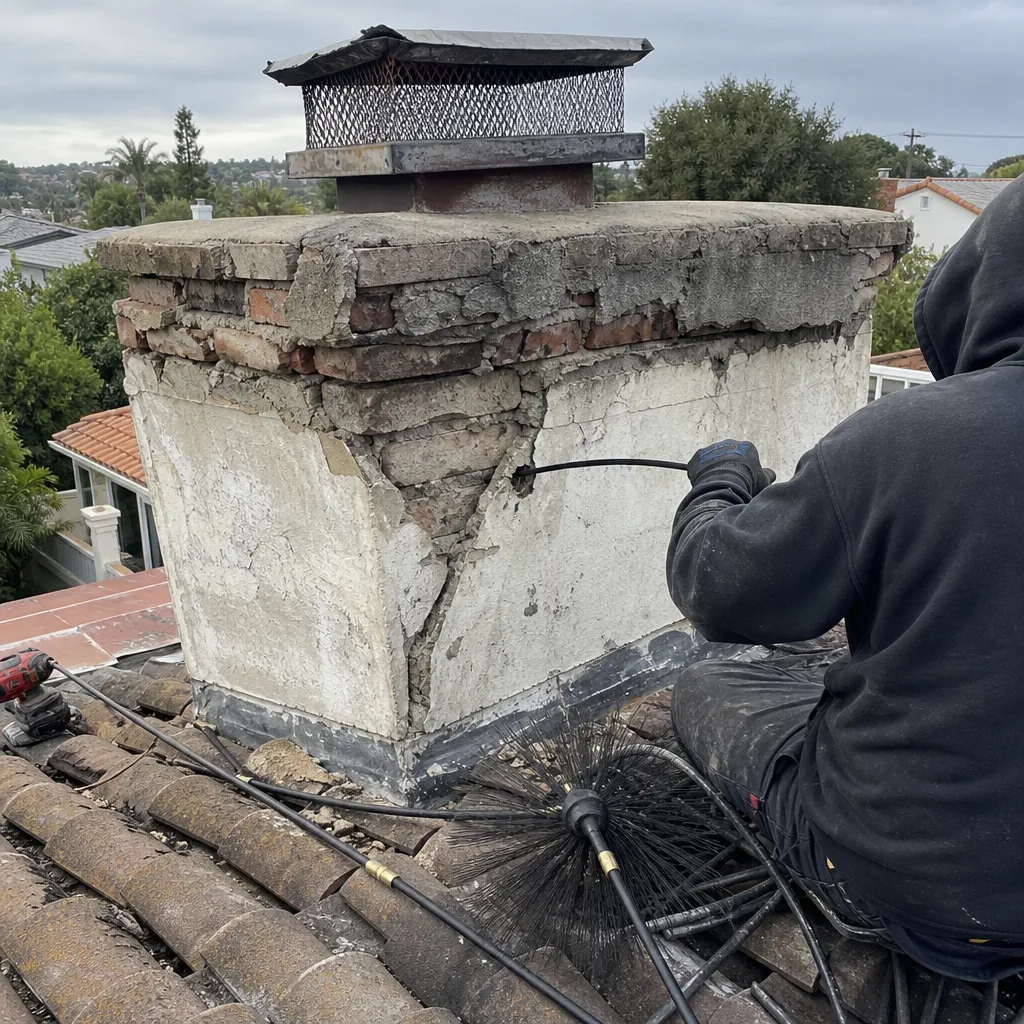 Before
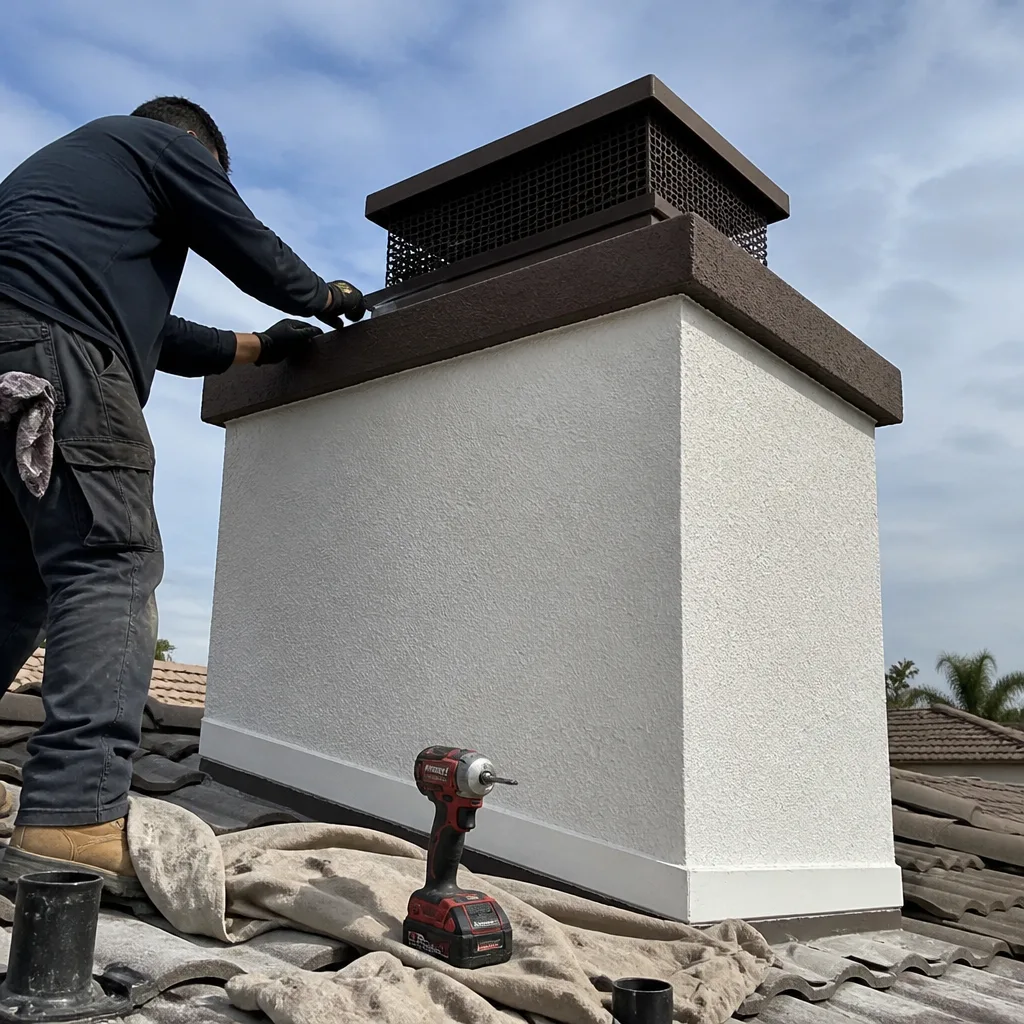 After
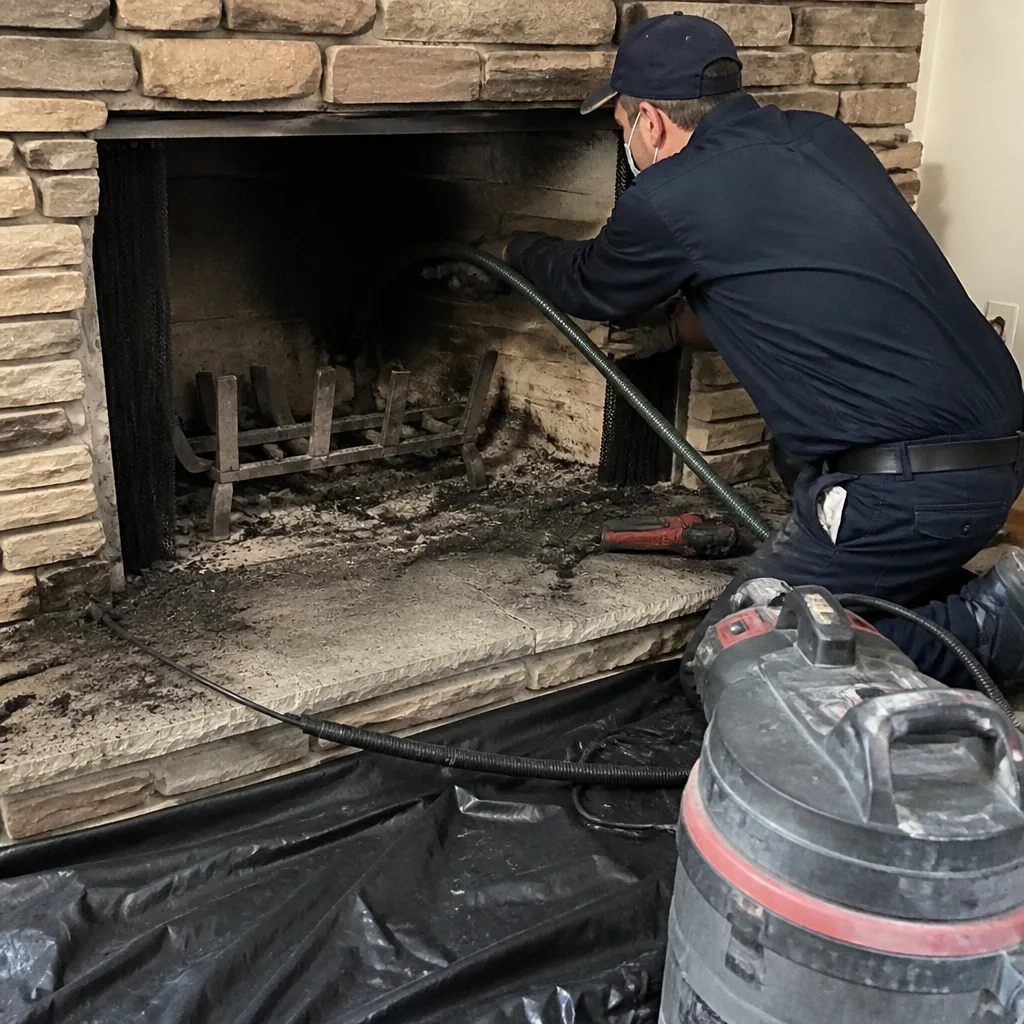 Before
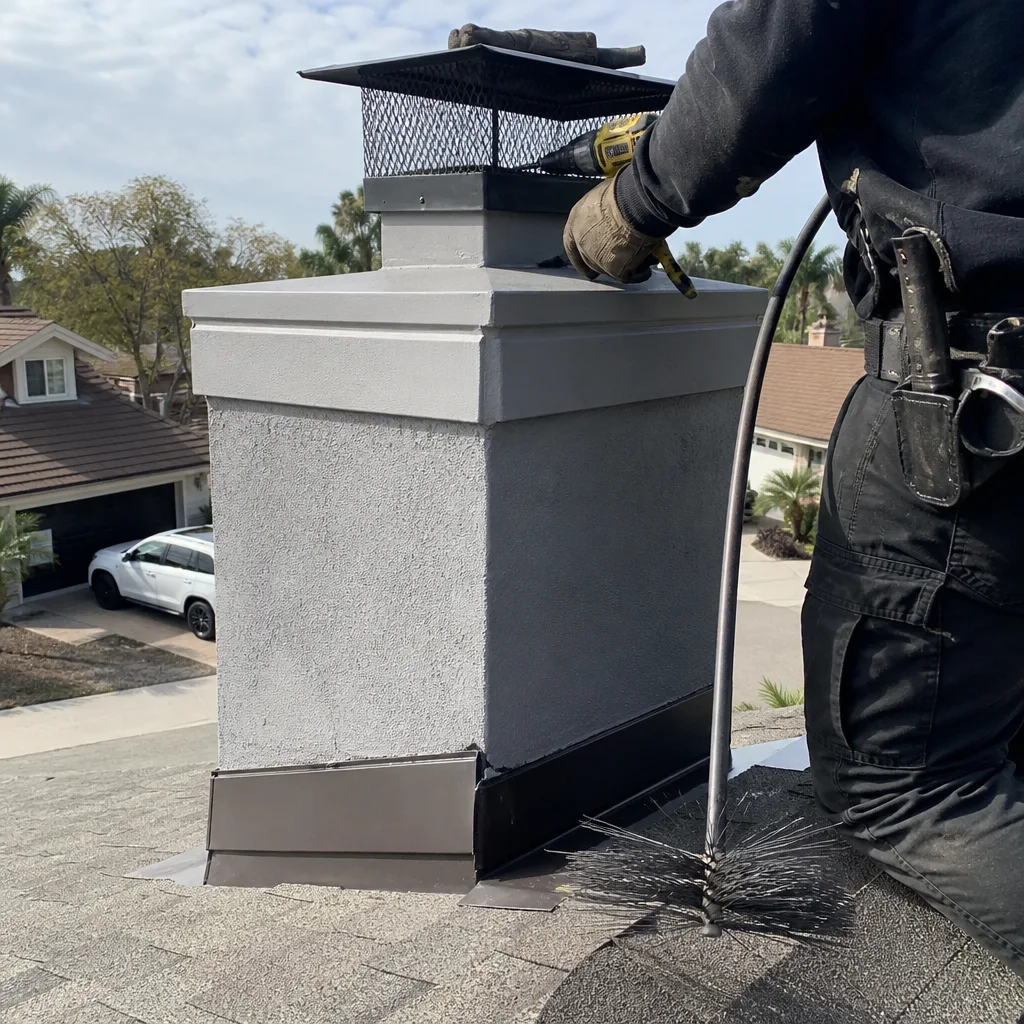 After
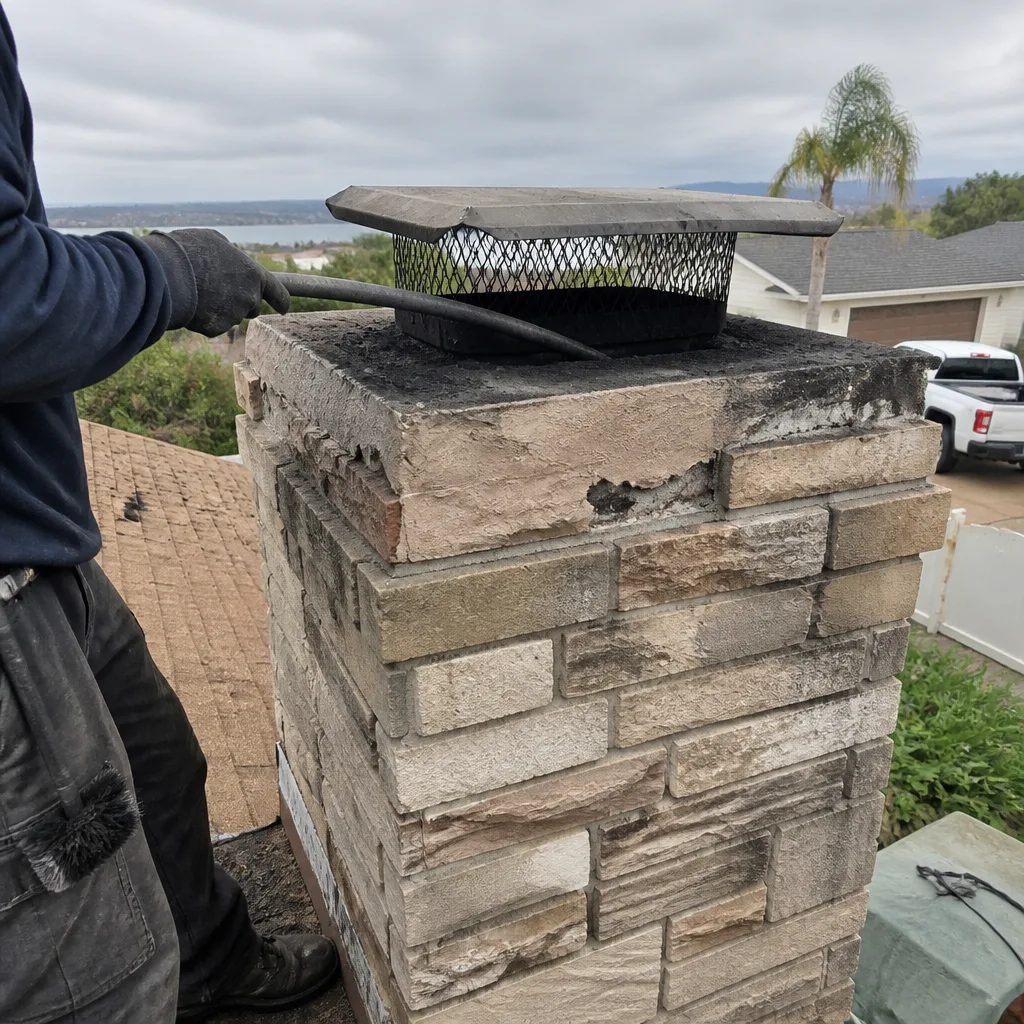 Before
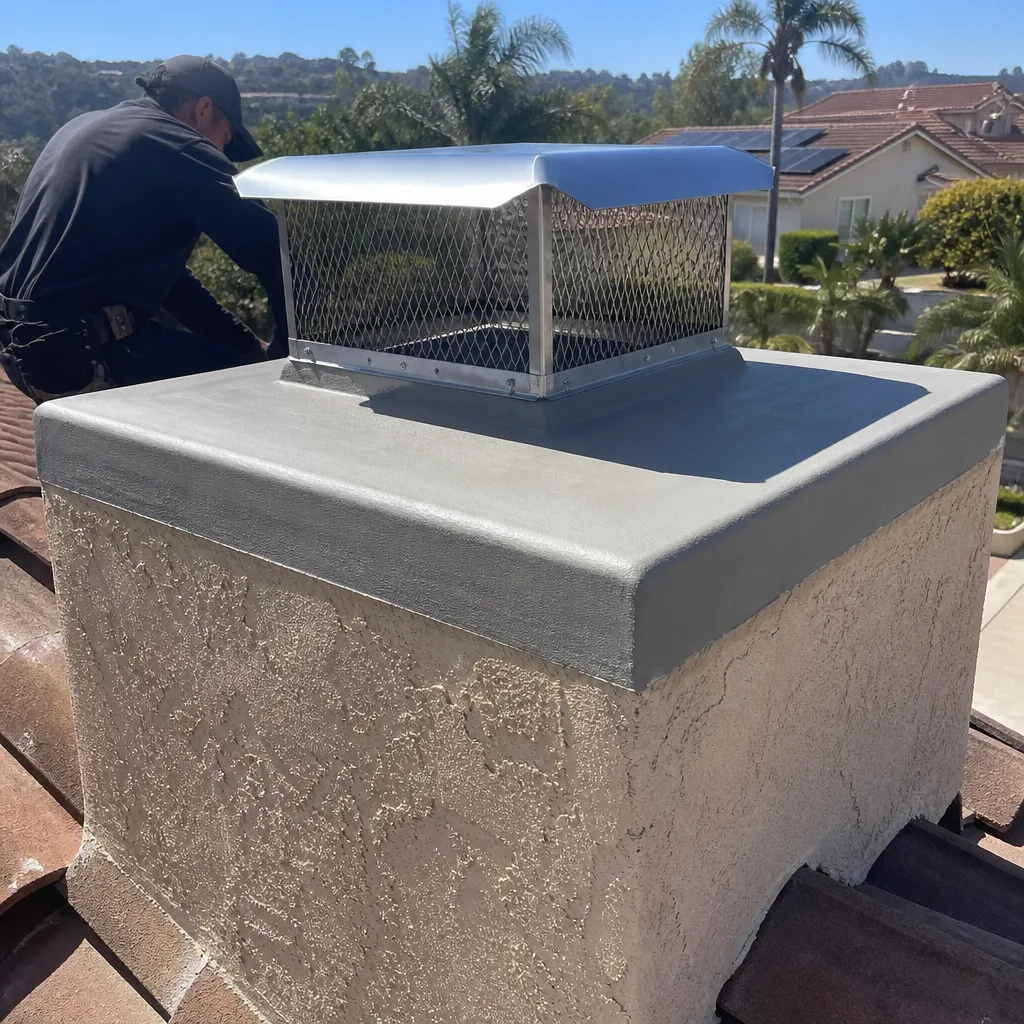 After
Common Mistakes to Avoid
- Calling a cleaning service when you need a repair: If you have smoke rollout, a bad smell that persists after cleaning, or visible staining, these are repair problems, not sweeping problems. A cleaning-only service may not have the expertise or the parts to fix the underlying issue. If damage is discovered, you want a company that can fix it on the same visit rather than referring you out.
- Using unseasoned wood and blaming the chimney: Most creosote problems in Carlsbad are fuel problems disguised as chimney problems. Wood that was cut this season and burned next month will create more creosote than any other single factor. Season your wood 12 months minimum.
- Ignoring a bad smell because it’s winter and you’re not using the fireplace: A musty smell in winter means water is actively entering your home. The moisture is damaging your structure whether or not you’re burning. Delay costs more.
- Hearing animal sounds and doing nothing: Animal nests are fire hazards and blockages. A squirrel that nests in your chimney in spring leaves behind flammable material that’s still there in winter when you light the first fire.
- Painting over water stains on the ceiling instead of finding the source: A water stain near your chimney is a chimney problem, not a painting problem. The stain will return and the underlying damage will grow.
- Assuming a gas fireplace doesn’t need chimney maintenance: Gas appliances produce different byproducts, but the flue still needs inspection. Corrosion from condensation inside gas flues is documented in Carlsbad homes and requires the same level of attention as wood-burning systems.
- Running a chimney fire and not getting an inspection afterward: Chimney fires can damage liners invisibly. After any suspected chimney fire, a camera inspection is essential before using the fireplace again. The flue may look fine from outside and be compromised inside.
When to Call a Professional
If you’ve gone through this guide and identified your symptom, you’re already ahead of most homeowners. Here’s when to stop self-diagnosing and make the call: smoke rollout that persists after you’ve checked the damper, any sign of water staining, animal activity, creosote that’s visible as shiny or blackened deposits, or a suspected chimney fire. If your chimney is over 20 years old and hasn’t been camera-inspected, schedule one now, regardless of symptoms. Chimney Sweep in Carlsbad is where you’ll find our full cleaning and inspection service details. Supreme Chimney Sweep offers free estimates in Carlsbad, call (833) 589-8164. If we find damage during inspection, we can repair it, same visit, same company. For dryer vent issues alongside your chimney service, Dryer Vent Cleaning in Carlsbad covers that side of the equation.
Frequently Asked Questions
The National Fire Protection Association recommends annual inspection with sweeping at whatever frequency the inspection indicates. For homes that burn regularly during Carlsbad’s mild winter, that typically means once a year. Homes that burn only occasionally may go longer, but inspection is annual regardless.
Summer chimney smells are usually moisture-related, not creosote. Humid summer air moves down through the flue, picking up odors from water that has saturated the masonry or any animal material present. If the smell is musty or earthy, the real problem is water intrusion, often from a failed crown or flashing.
It depends on the liner’s condition. Minor cracks and gaps can sometimes be addressed with a resurfacing system like HeatShield, which restores the flue interior without a full replacement. Full relining with a Chimney Repair in Carlsbad specialist is required when the existing liner has collapsed, separated, or deteriorated beyond resurfacing. A camera inspection shows which path applies.
Creosote accumulates to Stage 3, which is combustible fuel lining your flue. Once ignited, a chimney fire can crack liners, damage the chimney structure, and spread to the rest of the home. In the best case, you pay more for a deeper clean later. In the worst case, the fire escapes the flue. The risk isn’t theoretical; chimney fires are a documented cause of residential structure fires every year.
Yes. Gas flues face different failure modes: condensation corrosion, improper sizing, and venting gas leaks. Gas fireplaces still require periodic inspection and maintenance, and the flue type differs from wood-burning systems. Gas chimney problems in Carlsbad often stem from original installation errors rather than buildup.
Chimney sweeping in Carlsbad typically ranges from $150 to $300 depending on flue condition, creosote stage, and accessibility. If damage is discovered during inspection, repair costs are separate and quoted after camera review. Call (833) 589-8164 for exact pricing on your chimney. Estimates are free, and we’ll tell you what we find, with camera documentation, before recommending any work.
The Bottom Line
Your chimney talks. The smoke rollouts, the musty smells, the white stains, the scratching sounds, they’re all specific signals with specific causes, not generic “chimney problems.” Here’s what this guide should leave you with: smoke rollout is a blockage, draft failure, or pressure problem, not a mystery. Bad smells in summer are usually water, not creosote. White staining is active moisture intrusion. Animal sounds mean blockage and fire hazard. And creosote is the invisible hazard that only a camera inspection reveals. For Carlsbad homeowners, Supreme Chimney Sweep home is your starting point for all of it: inspection, cleaning, repair, and dryer vent safety in one service relationship. Same company, same visit, same responsibility.
Written by the team at Supreme Chimney Sweep, serving Carlsbad since 2012.