

Last updated October 30, 2026
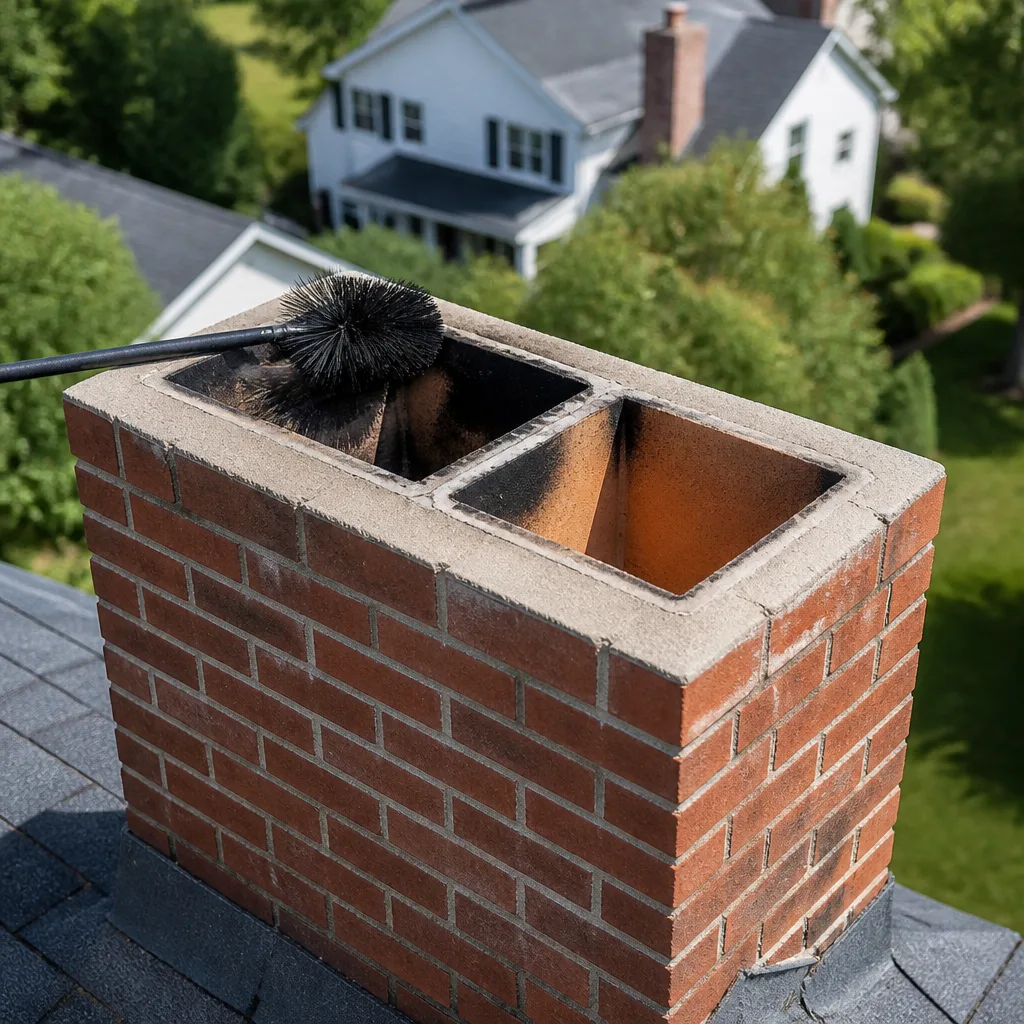 Sweep & inspection
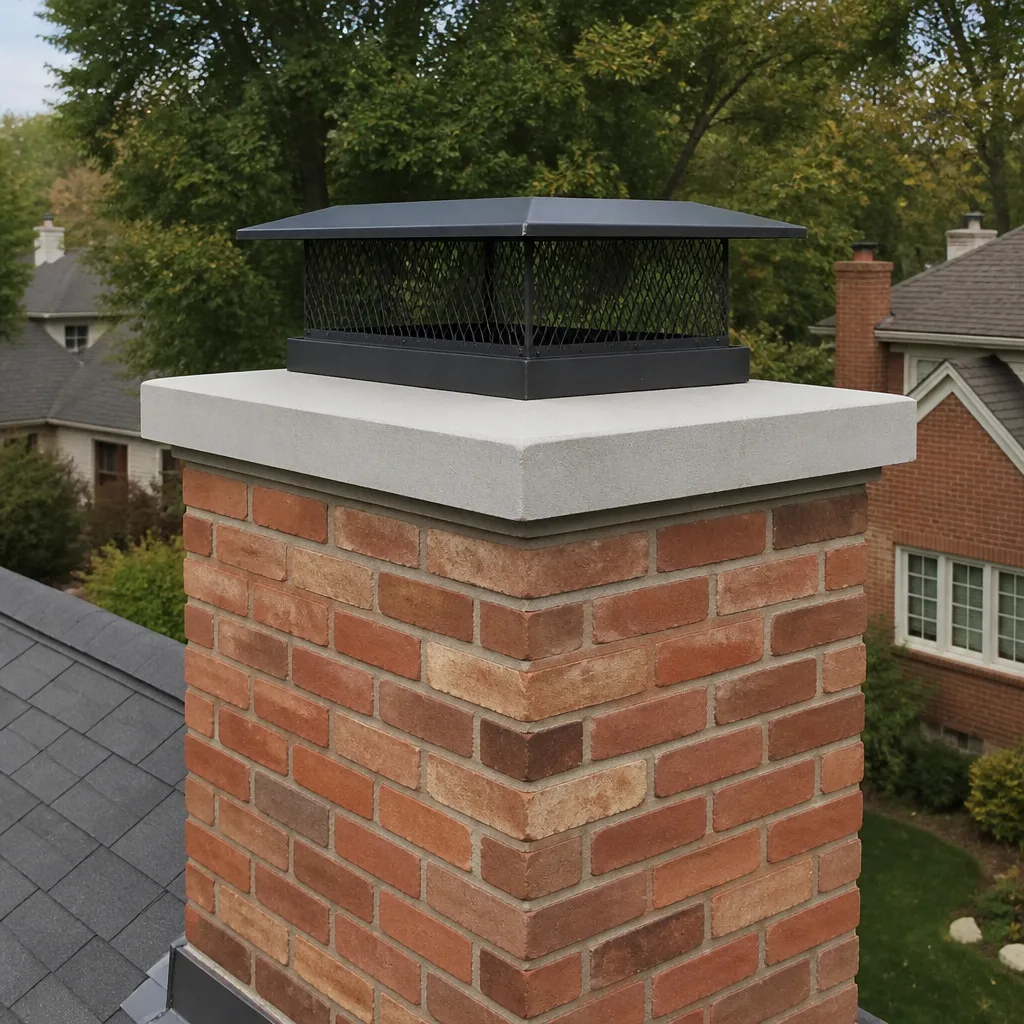 Caps & crowns
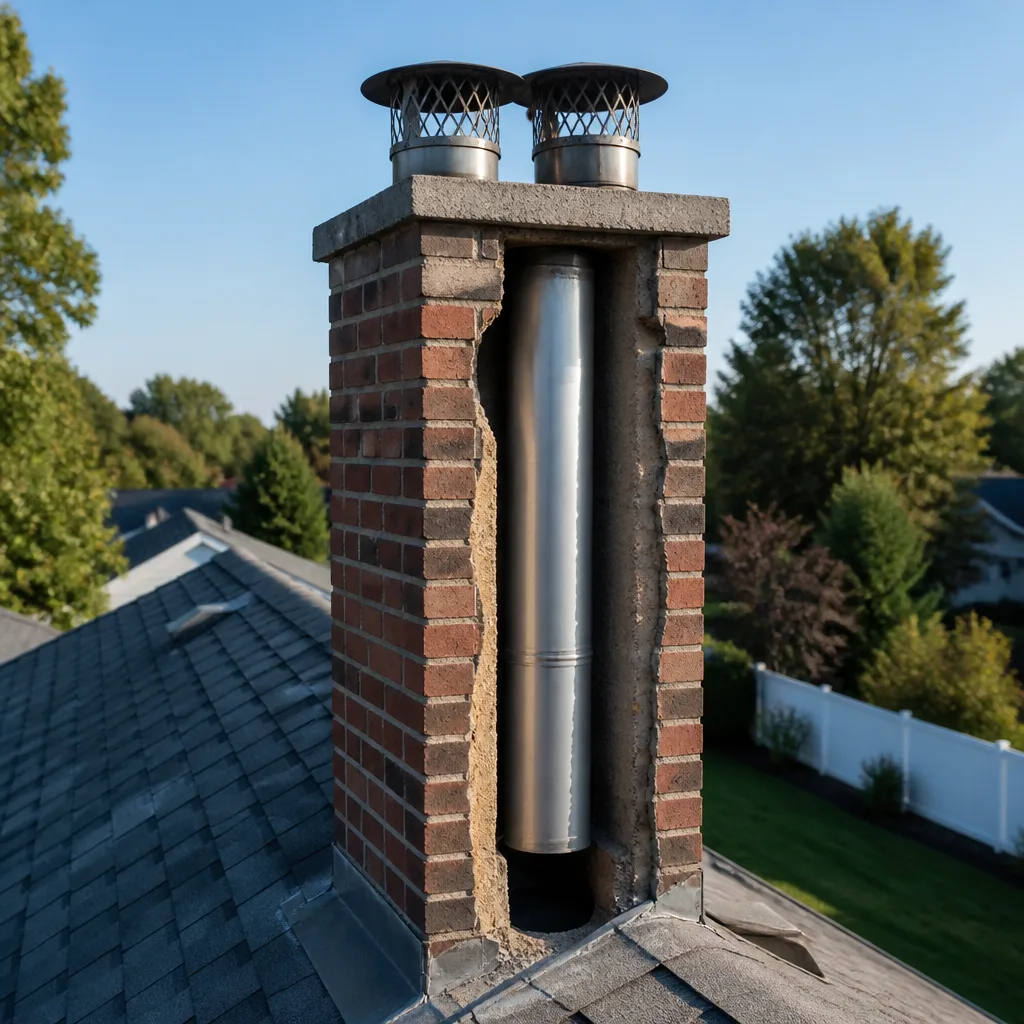 Flue relining
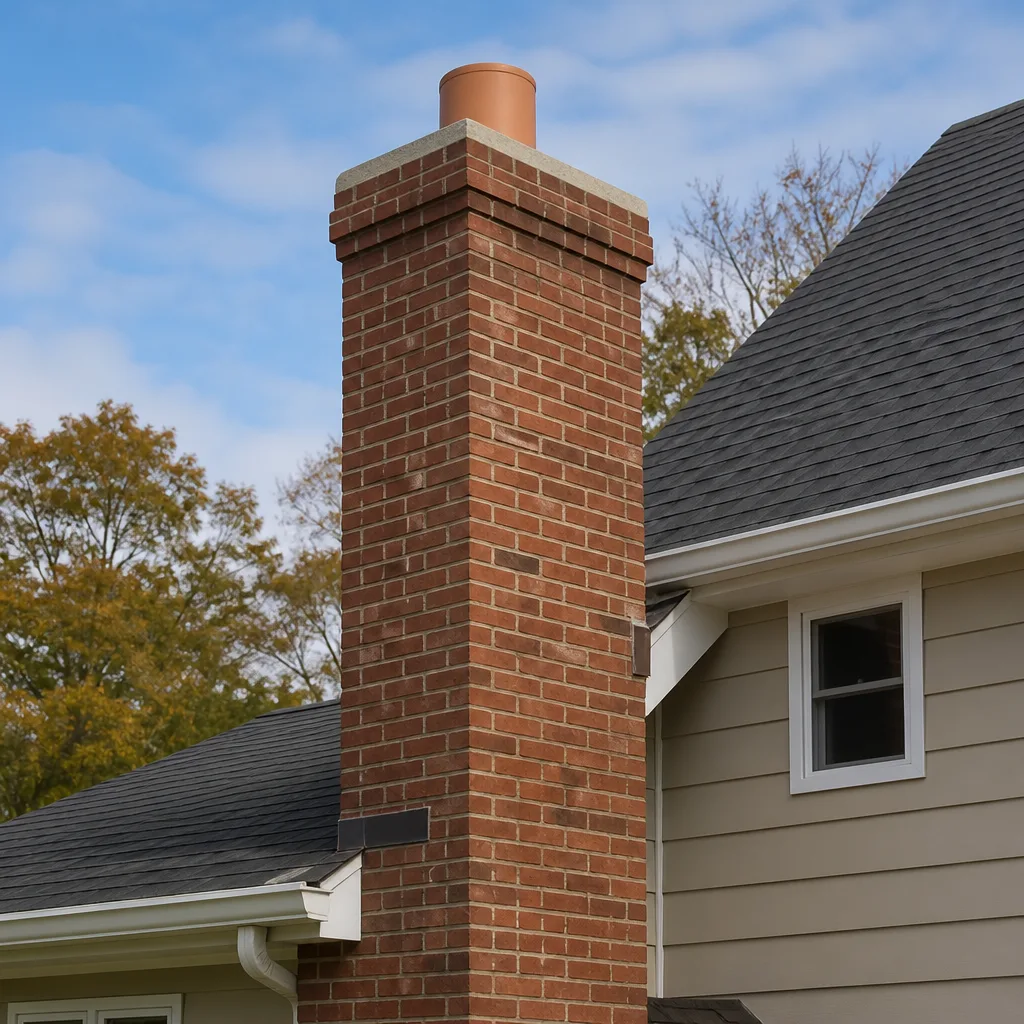 Masonry repair
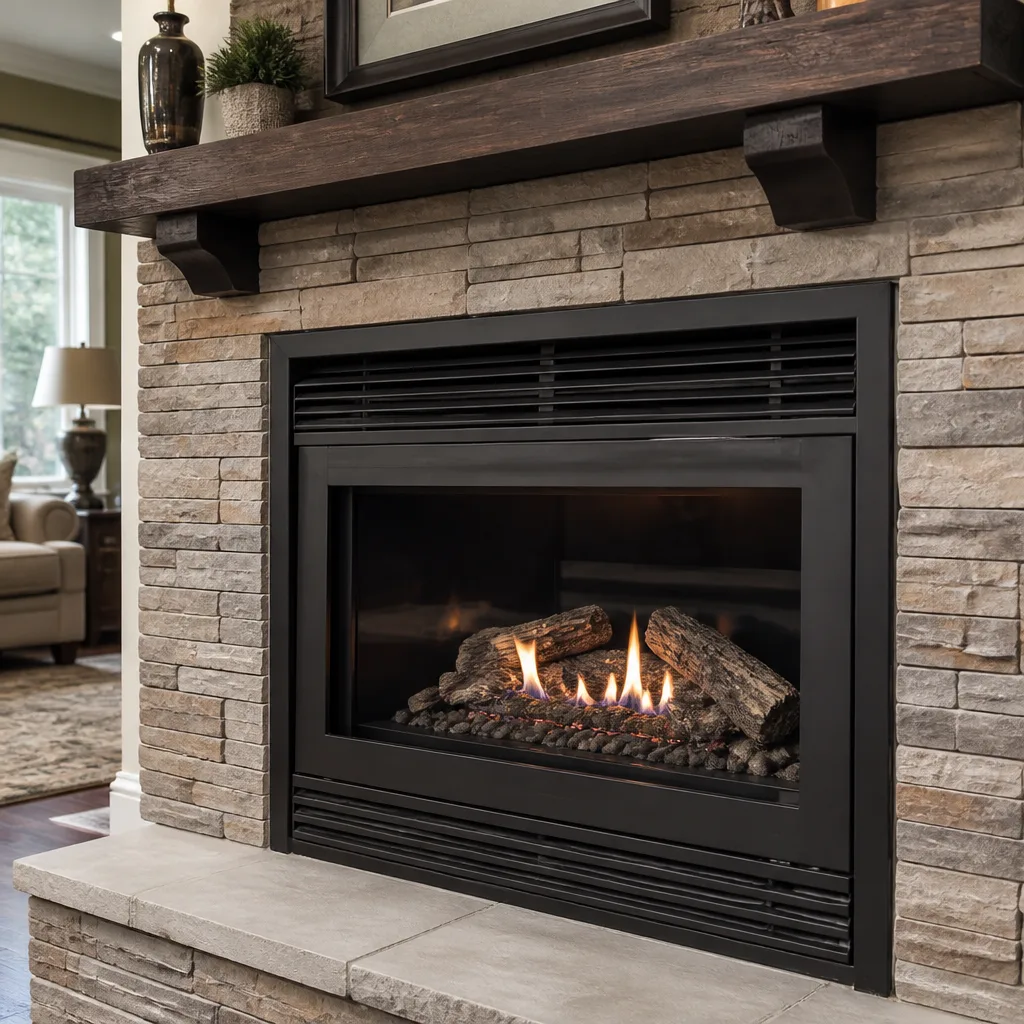 Gas fireplace service
Level 1 sweep and inspection to the NFPA 211 annual standard - flue, crown, cap, and flashing checked and photographed
Chimney sweep logs do not sweep chimneys. They loosen some creosote - which then falls where a brush and vacuum still have to collect it.
Chimney Cleaning Permits, Codes & Inspections in CA: What You Need to Know
Here’s what surprises most homeowners in Carlsbad: a routine chimney cleaning almost never requires a permit, but the lack of documentation from years of cleanings can absolutely derail a home sale or an insurance claim. California home inspectors are increasingly flagging chimneys during escrow for code compliance that can’t be verified because no one kept records. This guide walks through exactly which chimney work triggers permits in California, how NFPA 211 and the California Building Code interact, what inspectors look for, and how to build a maintenance file that protects you when it matters.
Quick Answer
Chimney sweeping and cleaning do not require a permit anywhere in California. What does require permits – and what gets flagged during home sales – is repair work beyond surface cleaning, including liner replacement, masonry rebuilding, and structural modifications. Compliance means two things: following NFPA 211 maintenance standards for inspections and cleanings, and pulling local building permits when work crosses from maintenance into modification.
Styles & brands we work with
Table of Contents
- What Chimney Work Requires a Permit in California
- NFPA 211 and California Building Code: How They Work Together
- Level I, II, and III Inspections: When Each Is Required
- How Undocumented Chimney Work Affects Insurance Claims
- What to Request From Your Chimney Contractor
- Carlsbad-Specific Considerations: Climate, Homes, and Market
- Common Mistakes to Avoid
- When to Call a Professional
What Chimney Work Requires a Permit in California
California treats chimneys under the California Building Code (CBC), which incorporates International Residential Code (IRC) chapters for residential construction. The permit threshold comes down to one question: are you maintaining an existing system, or are you modifying, replacing, or rebuilding part of it?
Work that does NOT require a permit:
- Chimney sweeping and creosote removal
- Video camera inspections of the flue interior
- Replacing a chimney cap with a like-for-like model
- Replacing a damper with a compatible aftermarket unit
- Applying HeatShield cerfractory sealant to repair minor flue cracks and gaps
- Spot repointing of a few loose mortar joints (non-structural)
Work that DOES require a permit:
- Full or partial liner replacement (stainless steel flexible or rigid systems such as DuraFlex)
- Rebuilding any portion of the chimney stack above the roofline
- Rebuilding the firebox or smoke chamber
- Changing the chimney’s dimensions, height, or structural load path
- Installing a new chimney where none existed
- Converting a wood-burning fireplace to gas
- Seismic retrofit work that anchors the chimney to the structure
In Carlsbad, the city follows the California Building Code with local amendments under the Carlsbad Municipal Code. The city’s building division reviews chimney work under the same residential permit pathway used for structural repairs. If you’re having a full liner replaced, expect the contractor to pull a permit, schedule an inspection at the rough stage (before the liner is concealed), and a final inspection once the job is complete.
One area where homeowners get confused: heat-shield liner resurfacing. Since HeatShield is a resurfacing process applied to the existing flue rather than a replacement of the structural liner, it typically falls under maintenance and does not trigger a permit in most California jurisdictions, including Carlsbad. That’s a meaningful distinction because it means a damaged flue can often be restored without the permit timeline and cost of a full reline.
NFPA 211 and California Building Code: How They Work Together
California does not have a standalone “chimney cleaning code.” What it has is the California Building Code for construction standards and the California Fire Code for ongoing fire safety compliance. Both incorporate NFPA 211, Standard for Chimneys, Fireplaces, Vents, and Solid Fuel-Burning Appliances, as the technical reference for what a safe chimney looks like and how it should be maintained.
Here’s how the layers fit:
- NFPA 211 is the engineering standard. It specifies clearance-to-combustibles distances, flue sizing, liner material requirements, and the annual inspection recommendation for solid fuel appliances.
- California Building Code adopts NFPA 211 standards for any permitted chimney construction or modification. When a contractor pulls a permit for a liner replacement in Carlsbad, the work is inspected against CBC provisions that reference NFPA 211.
- California Fire Code gives local fire authorities the enforcement tool for unsafe conditions. In San Diego County, fire agencies can require remediation if a chimney presents a clear hazard, even if no permit was pulled.
None of these codes mandate a specific sweeping frequency by law. What NFPA 211 does say: chimneys, fireplaces, and vents should be inspected at least once a year for soundness, freedom from deposits, and correct clearances. “Should” becomes “must” in practice when an insurance company or a home inspector asks for proof that you maintained the system. That’s the compliance mechanism most Carlsbad homeowners don’t see coming.
During a home sale, an inspector’s scope report may cite NFPA 211 if they find a cracked flue liner, a missing cap, or creosote accumulation beyond a safe threshold. The buyer’s lender or insurer then conditions the loan on remediation. Having a documented maintenance history often satisfies the underwriter. Having nothing on paper sends the sale sideways while you scramble to get a Level II inspection done.
Level I, II, and III Inspections: When Each Is Required
NFPA 211 defines three levels of chimney inspection. Understanding which one you need can save you money and prevent a contractor from overselling or underselling the work.
Level I Inspection
A Level I inspection is what happens during a routine chimney sweep visit. The technician examines the readily accessible portions of the chimney interior and exterior, verifies the basic condition of the flue liner, checks for obstruction, and confirms adequate clearance to combustibles. No special tools are required beyond a flashlight and the sweep’s own access points. This is the correct inspection when you’ve used the fireplace continuously and nothing has changed – same appliance, same fuel, same usage pattern. In Carlsbad, where many homes still have original masonry chimneys from the 1970s and 1980s, a Level I inspection during an annual sweep catches most developing problems, though homeowners should also know the Chimney Cleaning Warning Signs: A Carlsbad Homeowner’s Reference Guide.
Level II Inspection
A Level II inspection adds video scanning or other detailed examination of the flue interior, plus access to attics, crawlspaces, and the roof. It’s required when:
- You’re buying or selling a home
- You’ve made a change to the system (new liner, new appliance, different fuel)
- There’s been an event – chimney fire, earthquake, lightning strike, or structural impact
- A Level I inspection turned up something that warrants a closer look
In coastal Carlsbad, a Level II inspection is also wise after a significant seismic event. Even minor quakes that don’t faze the drywall can shift masonry enough to open small cracks in a flue liner. We’ve seen liners with hairline cracks that only showed up under camera because the homeowner felt a jolt and decided to check.
Level III Inspection
A Level III inspection involves opening up portions of the chimney or the surrounding structure – removing drywall, masonry, or chimney components – to access concealed areas. This is the level used when a hazard is suspected but cannot be confirmed from the accessible surfaces. In practice, a Level III inspection in Carlsbad usually involves a chimney that’s been flagged during escrow or after a fire event, and the goal is to determine the full extent of hidden damage before negotiating repairs. For help interpreting findings, see our Chimney Sweep Troubleshooting: Common Problems and How to Fix Them.
The practical threshold for most homeowners: a routine annual cleaning with a Level I inspection is enough. A home sale or a chimney event flips the requirement to Level II. Level III only enters the picture when Levels I and II have already raised concern.
How Undocumented Chimney Work Affects Insurance Claims
Here’s the part nobody explains at the dinner party. If a chimney fire damages your home and your insurer investigates, they’ll ask for the chimney’s maintenance history. In our experience, that’s a Kafka moment for homeowners who’ve used a different sweep every year and never kept a receipt.
Most California homeowners policies cover fire damage, including chimney fires. But the policy also contains exclusions for damage caused by neglect or lack of maintenance. If an adjuster determines the chimney hadn’t been cleaned in eight years and creosote accumulation caused the fire, the claim can be denied or reduced – not because the policy excludes chimney fires, but because failure to maintain a solid-fuel appliance created a foreseeable hazard.
What changes the outcome:
- Documented annual inspections and cleanings from a licensed chimney contractor, with the level of inspection noted
- Video scan records that show the flue condition on a specific date
- Written repair recommendations with dates, so you can show you acted promptly on issues
- Receipts for repairs with the contractor’s license number and the scope of work
We’ve watched as homeowners in Carlsbad’s La Costa and Bressi Ranch neighborhoods got claims slowed but eventually approved because they had a binder with a decade of chimney records. And we’ve seen the opposite – a denied claim where the homeowner could only say “I think someone cleaned it a few years ago.”
The documentation standard is simple: every visit should produce a dated work order that states what was done, what was found, and what the technician recommends. That’s it. A one-line receipt is thin. A service report with inspection notes is a real record.
What to Request From Your Chimney Contractor
If you want a maintenance record that holds up during a home sale or an insurance inquiry, here’s exactly what to ask for after any chimney service:
- A dated service report that names the technician and the company, including the contractor’s California license number
- The inspection level performed (Level I, II, or III) and whether it followed NFPA 211 guidelines
- Written findings on liner condition, creosote accumulation, cap or damper condition, and any cracking or spalling observed
- Photographs, especially of problem areas – and a video scan file if a camera inspection was completed
- A repair estimate if anything was flagged, dated and itemized, even if you decide not to proceed immediately
- Product documentation for any installed components – liner material, cap, damper – with the brand name and model. If a DuraFlex liner or Gelco cap is installed, the product literature and any transferable warranty should be in your file
Creating a folder like this serves three purposes. It proves maintenance to a homebuyer or insurer. It protects you from flying blind when a chimney issue comes up years later, because you’ll have the previous condition documented. And it gives the next contractor a baseline, which saves diagnostic time.
One nuance for Carlsbad homeowners whose chimneys predate current code: having a record that shows consistent maintenance can help when a buyer asks about a missing chimney cap or an unlined flue. It won’t make the code issue disappear, but it shows the system was cared for, which changes the tenor of the negotiation.
Carlsbad-Specific Considerations: Climate, Homes, and Market
Everything above applies everywhere in California, but Carlsbad shapes how chimney issues actually play out. We work in this specific housing stock every week, and the patterns are consistent.
Marine air is the silent variable. Carlsbad’s coastal humidity and salt-laden air accelerate corrosion on metal components – caps, dampers, and chase covers. A galvanized cap that lasted twenty years in Escondido might be rusted through in eight years near the coast in the Olde Carlsbad or Terramar areas. The same applies to masonry: salt and moisture wick into brick and mortar, and the expansion-contraction cycle causes earlier spalling than you’d see inland.
The housing stock matters too. Carlsbad has three distinct groups: 1970s and 1980s tract homes with masonry chimneys, 1990s and 2000s developments with prefabricated wood-burning or gas fireplaces, and custom coastal properties with a mix of both. Prefabricated systems have a finite service life, usually 20 to 30 years, and parts aren’t always still manufactured. When we see a prefab fireplace in a Carlsbad tract home that’s past its service life, the code-compliant answer is often replacement, not repair. Masonry chimneys in older sections of the city – the Village, Bressi Ranch’s original streets, La Costa’s early developments – more often have repairable issues.
The real estate dynamic adds pressure. Carlsbad’s home sale volume year-round means escrow-driven chimney inspections are constant. A buyer’s inspector flags a chimney, and suddenly the seller has two weeks to get a Level II inspection, a repair estimate, and – if needed – a contractor who can pull a permit and complete the work before close. Sellers who’ve maintained documentation of annual cleanings are dramatically less likely to feel that squeeze.
Common Mistakes to Avoid
- Assuming a cleaning equals a code-compliant chimney. A sweep removes creosote. It doesn’t verify that your clearance-to-combustibles, liner condition, or cap installation meet current code. That’s a separate inspection finding.
- Losing receipts and service reports. A stack of unlabeled Venmo payments isn’t documentation. Request dated reports, store them digitally, and keep them with your home records.
- Skipping the permit on a liner replacement. A liner installation is structural work, and in Carlsbad an unpermitted liner can surface as an open item on a future disclosure. It’s cheaper to pull the permit than it is to retroactively cure an unpermitted installation at resale.
- Confusing a home inspector’s flag with a work order. Home inspectors identify concerns. They don’t scope repairs. Get a Level II chimney inspection from a qualified chimney contractor before agreeing to any remediation in escrow.
- Thinking prefab fireplaces last forever. Prefabricated systems have a service life. In Carlsbad’s ocean air, rusted fireboxes and delaminated refractory panels are common. When a prefab is past its design life, patching is not a compliant fix.
- Rolling the dice on a “handyman” sweep. A handyman isn’t licensed to perform chimney repairs, can’t pull a permit in Carlsbad, and typically can’t produce a Level II inspection report that a buyer’s lender will accept.
When to Call a Professional
Call a qualified chimney contractor if your chimney hasn’t been inspected in over a year, if you’re buying or selling a Carlsbad home, if you’ve had any chimney event (a chimney fire, a visible crack, water in the firebox, or a significant earthquake), or if you’re making any change to the system – a new liner, a new insert, or a fuel conversion. You should also call if you smell smoke during operation or if you can’t remember the last time you had the flue camera-scanned. A professional Chimney Sweep in Carlsbad can sort out what you need, what it costs, and whether a permit is part of the picture. Supreme Chimney Sweep offers free estimates in Carlsbad – call (833) 589-8164.
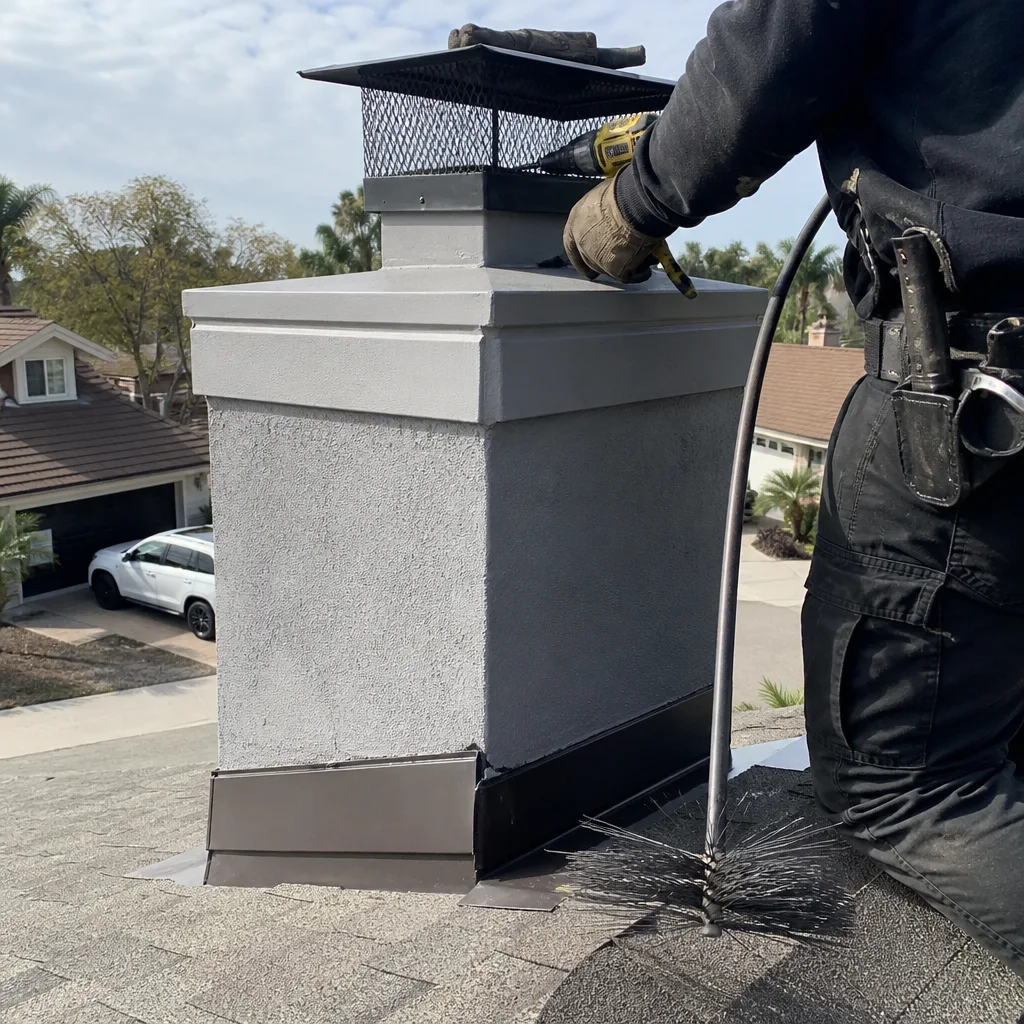
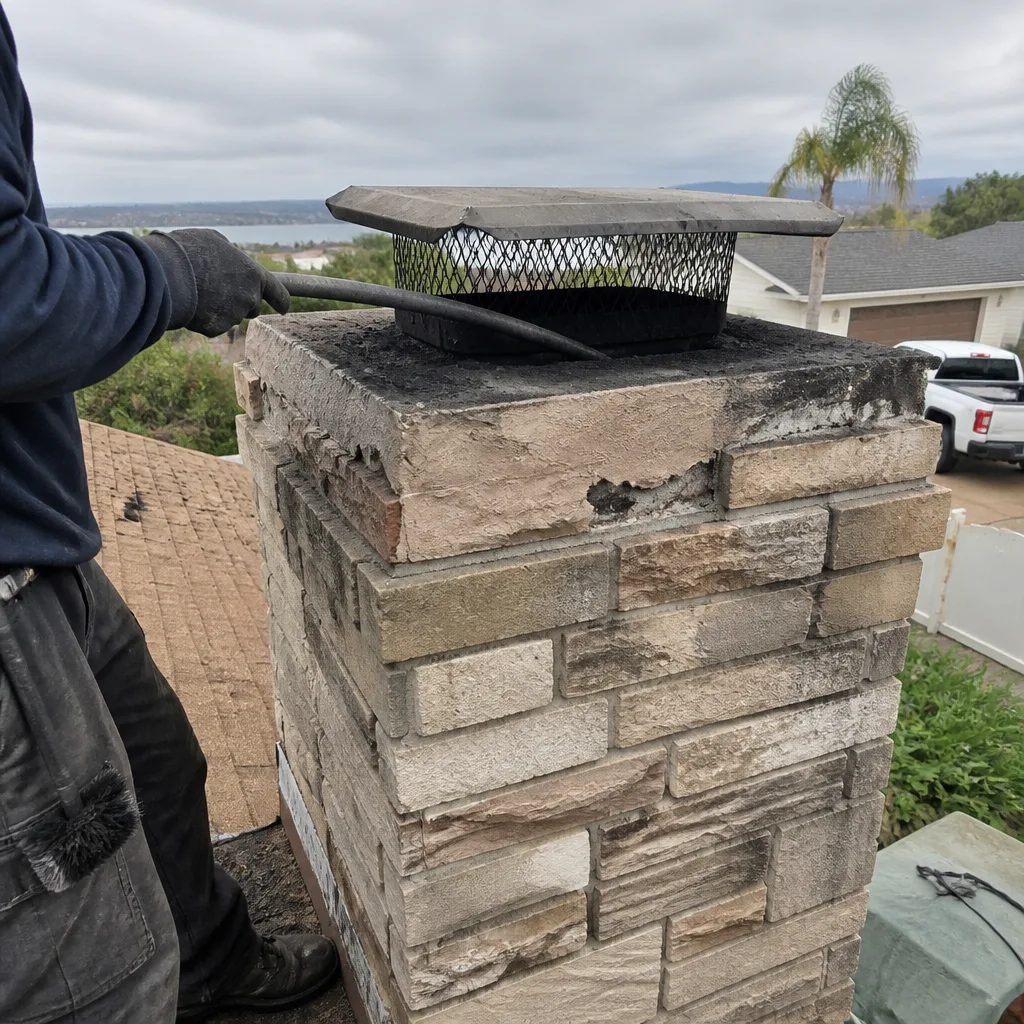
See the difference
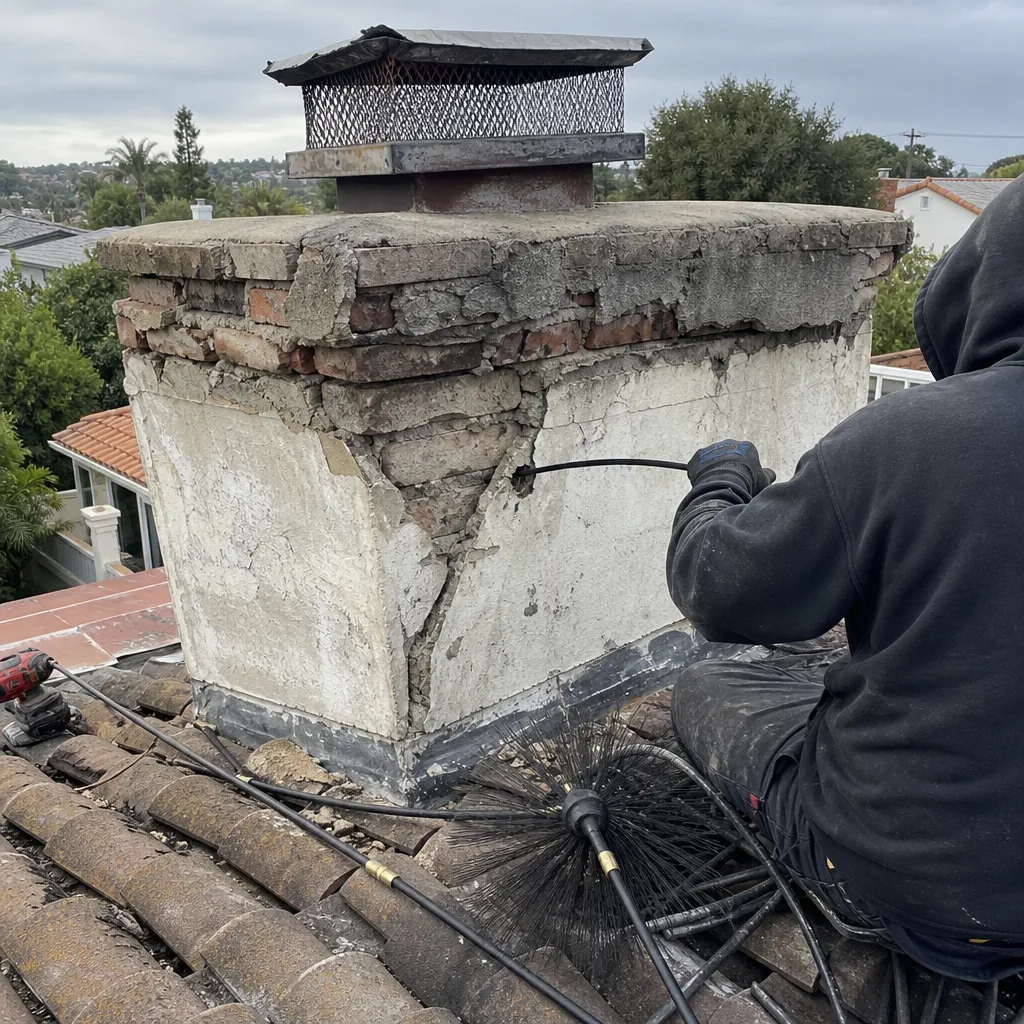 Before
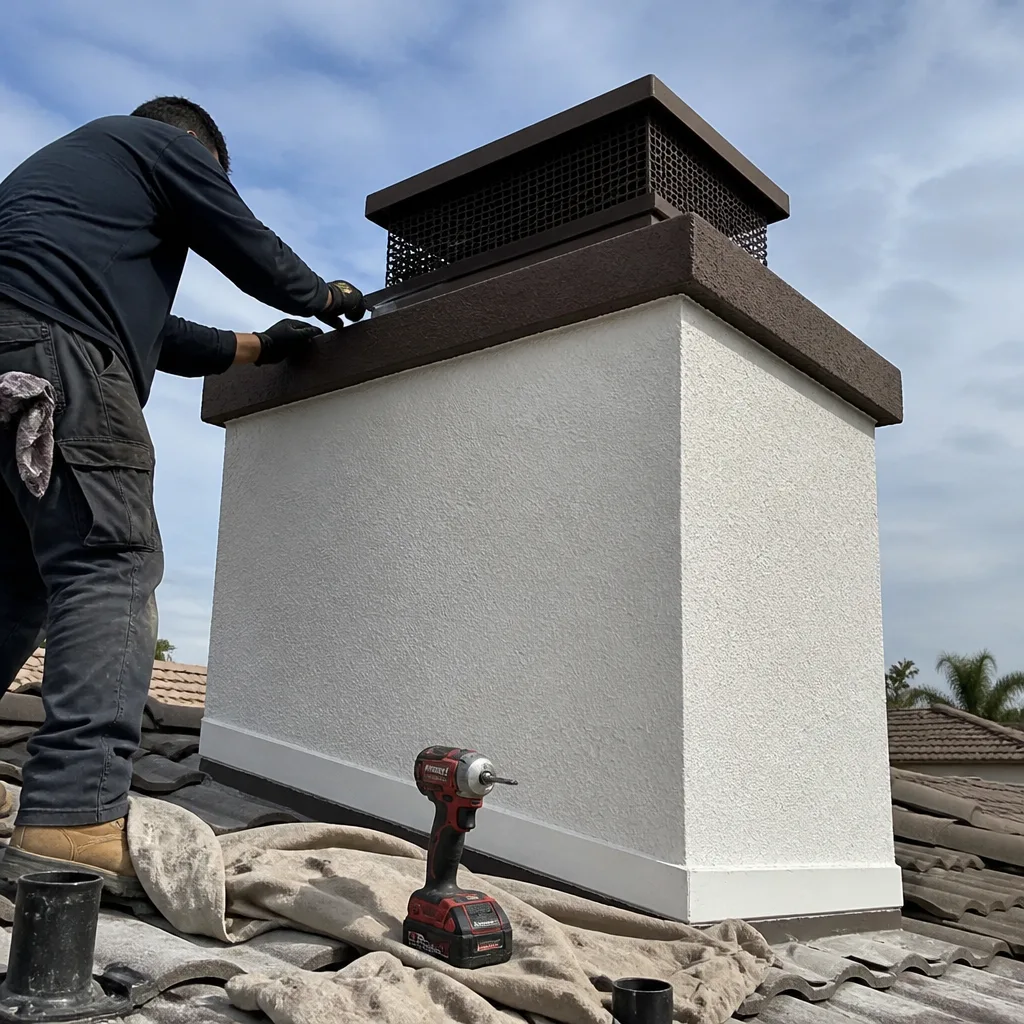 After
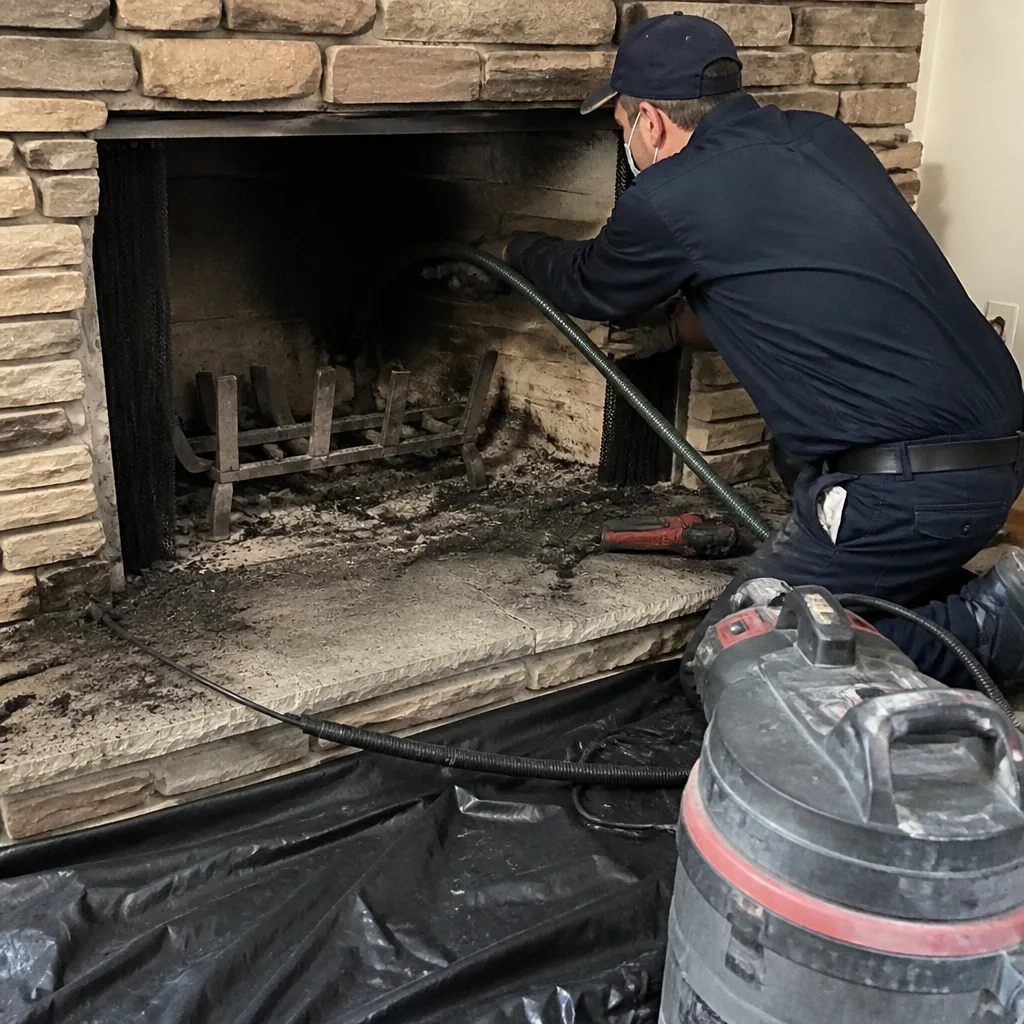 Before
 After
 Before
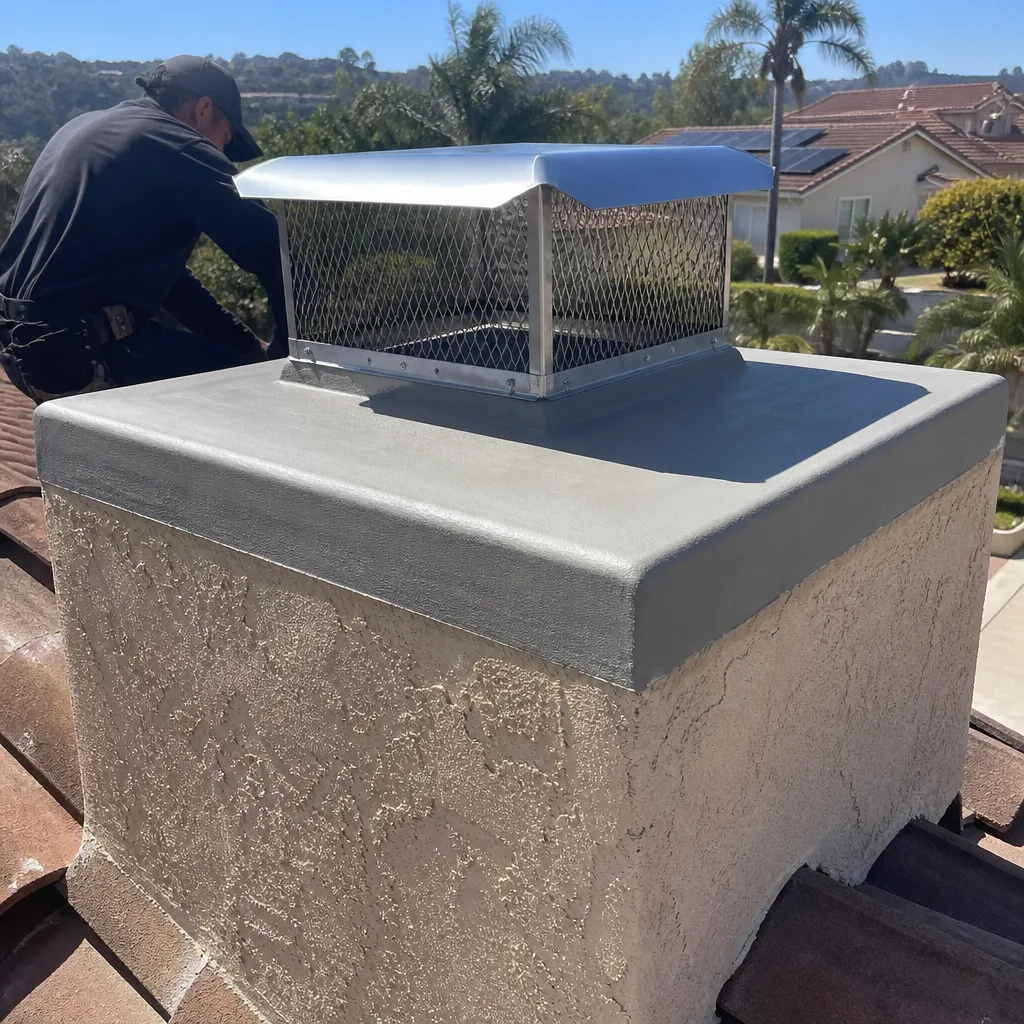 After
Frequently Asked Questions
No. Chimney cleaning, sweeping, and routine inspection do not require a permit anywhere in California. Permits enter the picture only when structural work is done – liner replacement, chimney rebuilds, firebox reconstruction, or changing the system’s dimensions or fuel type. Call (833) 589-8164 if you’re not sure which category your project falls into.
NFPA 211 recommends an annual inspection for any solid fuel-burning chimney, and cleaning whenever creosote accumulation reaches 1/8 inch or more. In Carlsbad’s damp coastal climate, the annual check matters more for spotting moisture-driven corrosion and masonry spalling than for seasonal creosote buildup.
A Level II inspection is a detailed examination using video scanning or similar tools to evaluate the flue’s interior condition. You need one when buying or selling a home, after a chimney fire, earthquake, or other event, or when you change the system’s configuration. A standard annual cleaning visit is a Level I inspection.
It can. If a prior liner replacement was completed without a permit, a buyer’s inspector or lender may flag it during escrow, and the seller may need to retrofit the permit retroactively or negotiate a credit. A properly permitted liner, documented at installation, avoids the issue entirely.
In most California jurisdictions, including Carlsbad, HeatShield cerfractory resurfacing falls under maintenance rather than structural replacement, so it does not trigger a permit. It’s a way to restore flue integrity without the full cost and permit timeline of liner replacement. A qualified contractor can tell you whether this applies to your specific flue.
Keep a dated service report that names the technician and company, notes the inspection level (NFPA Level I, II, or III), lists findings on liner condition and creosote levels, and includes any photographs or video. Repair estimates and any product documentation for installed components should be added to the same file. This is what insurers and homebuyers will ask for.
For a full-scope chimney inspection, Chimney Repair in Carlsbad services from Supreme Chimney Sweep cover cleaning, structural repair, and liner restoration in one visit. And if you’re doing the chimney, it’s the right time to check your Dryer Vent Cleaning in Carlsbad too – both are fire-hazard systems that benefit from documented annual maintenance.
The Bottom Line
Chimney cleaning in California is permit-free, but chimney maintenance is not consequence-free. The state’s building and fire codes use NFPA 211 as their technical backbone, and the real enforcement moment for most Carlsbad homeowners comes at resale or after a claim – when someone asks for proof the system was cared for. Document every inspection, know which repair tier triggers a permit, and get a Level II inspection before you sign a purchase or sale. A thin file costs more than you’d think. A thick one costs almost nothing to maintain. Start yours with a call to Supreme Chimney Sweep home at (833) 589-8164.
Written by the team at Supreme Chimney Sweep, serving Carlsbad since 2012.