

Last updated October 30, 2026
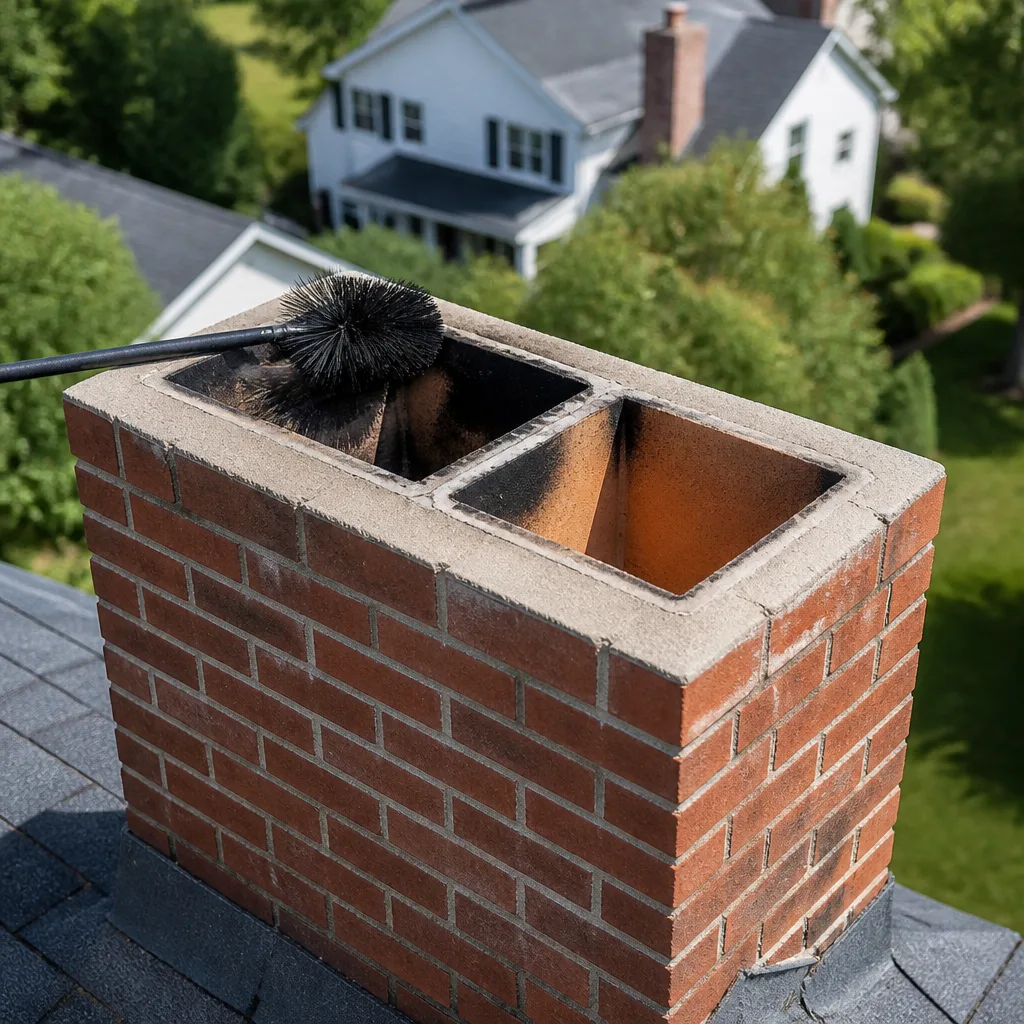 Sweep & inspection
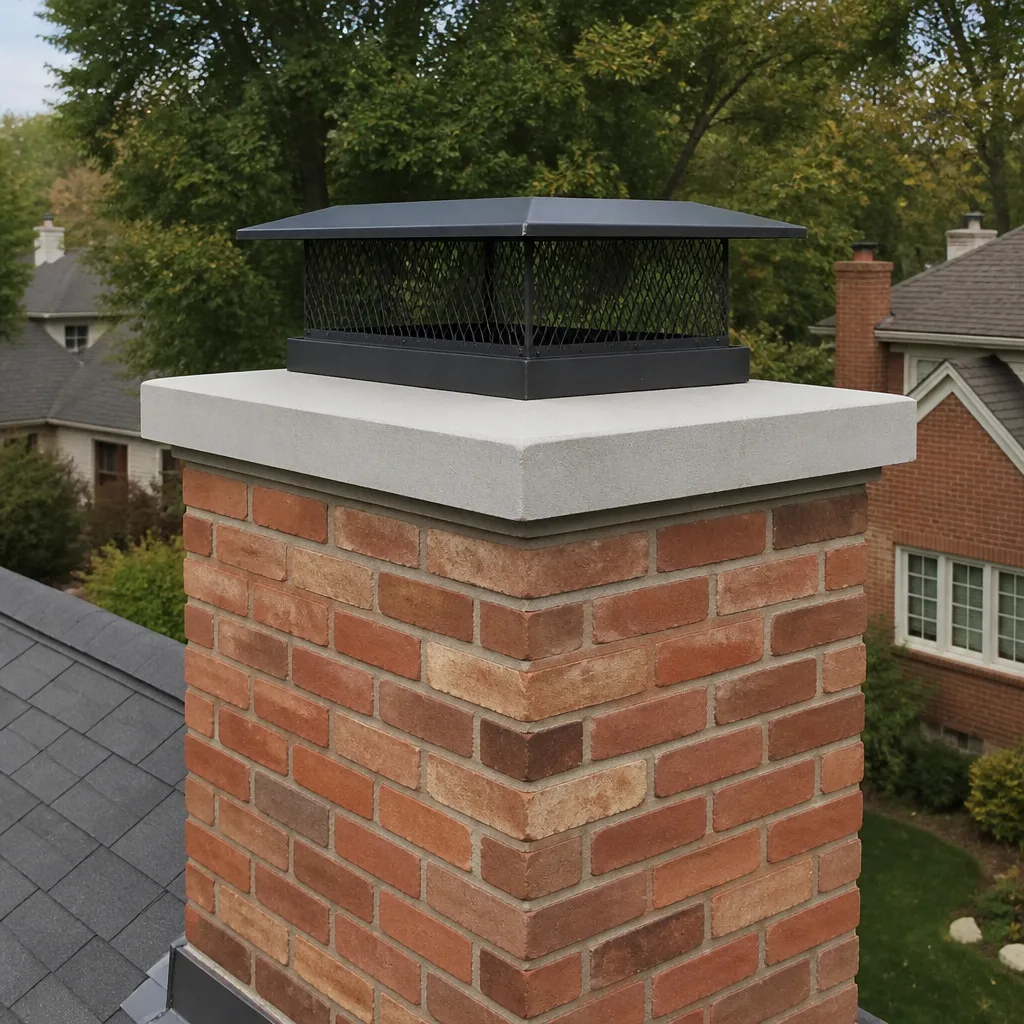 Caps & crowns
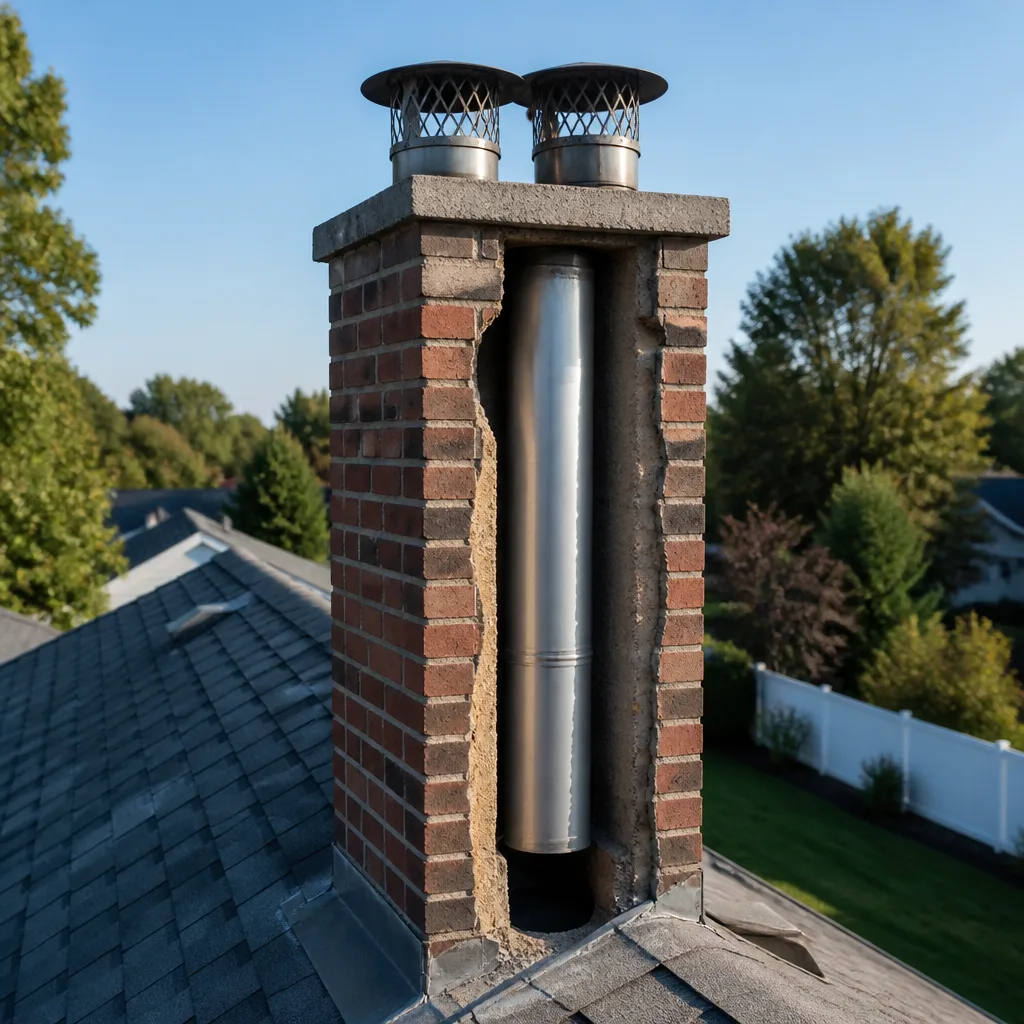 Flue relining
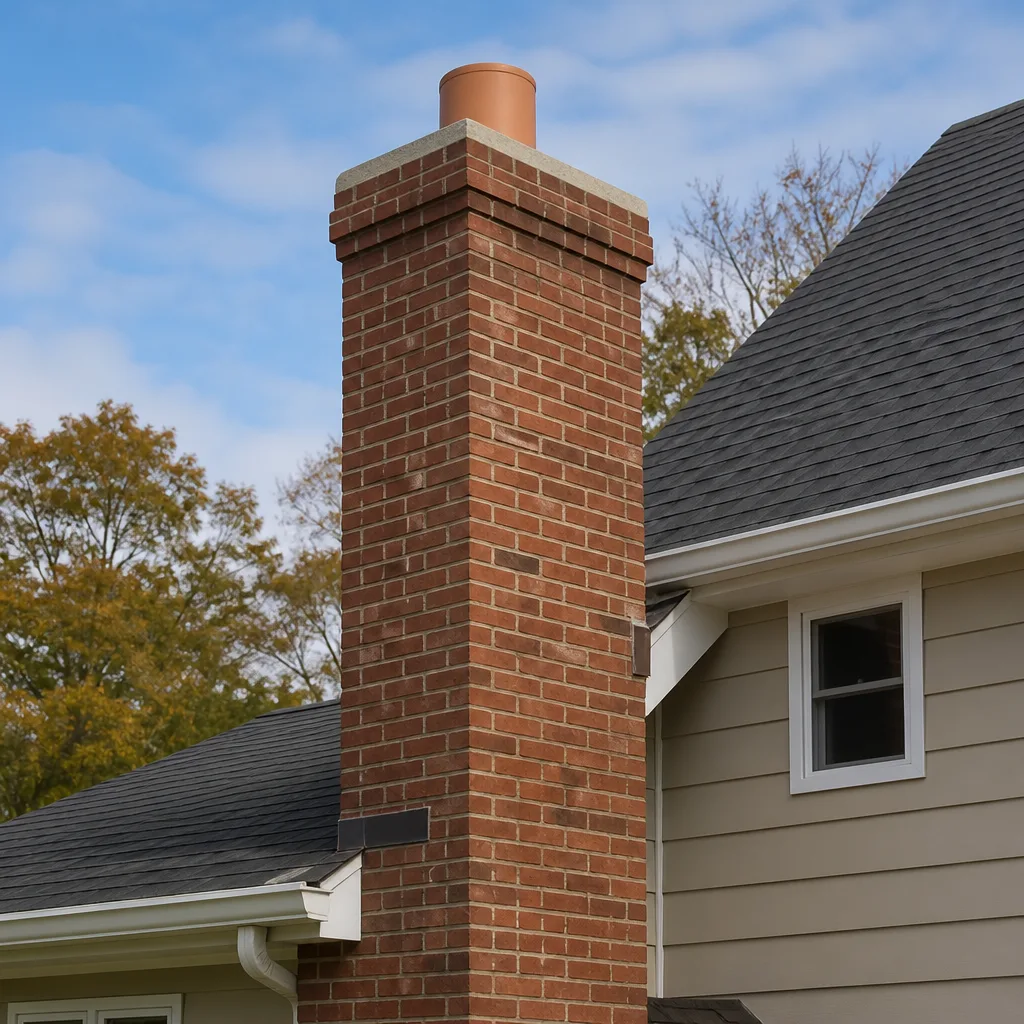 Masonry repair
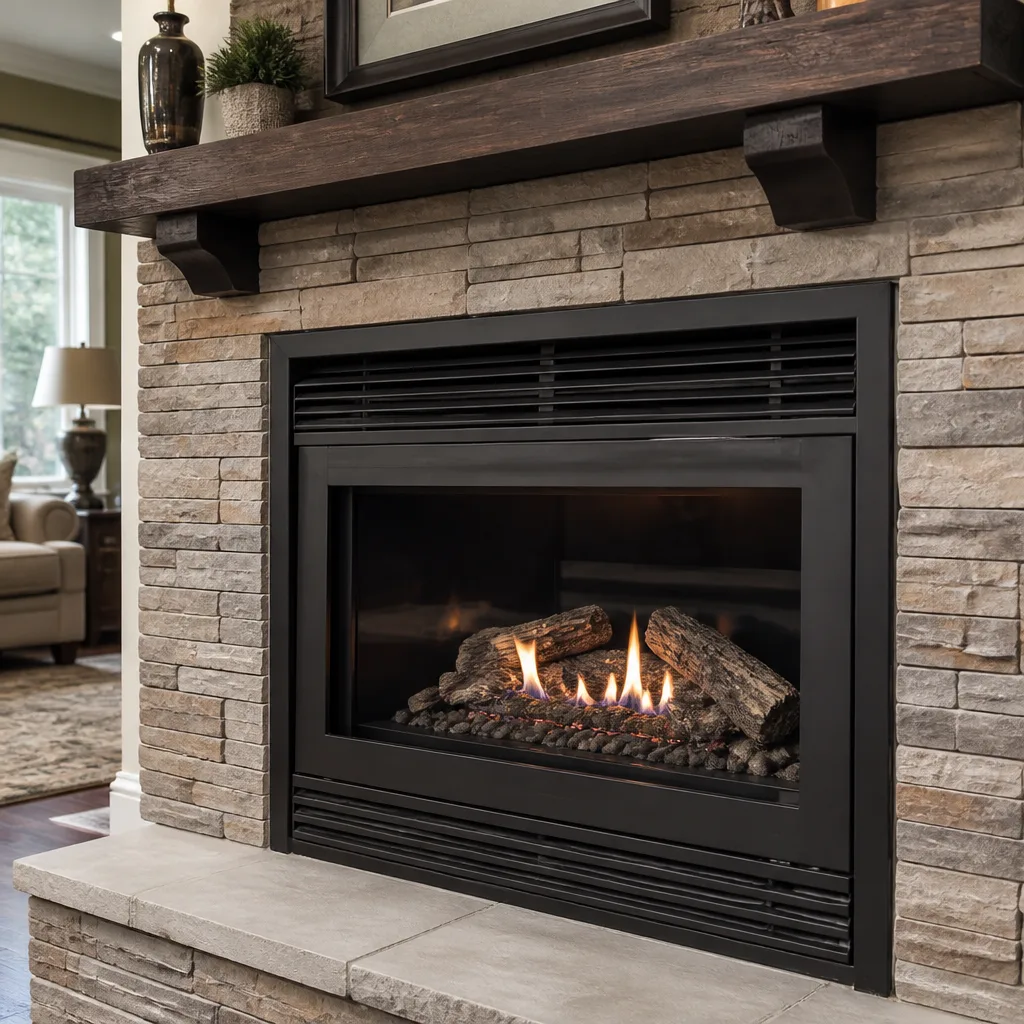 Gas fireplace service
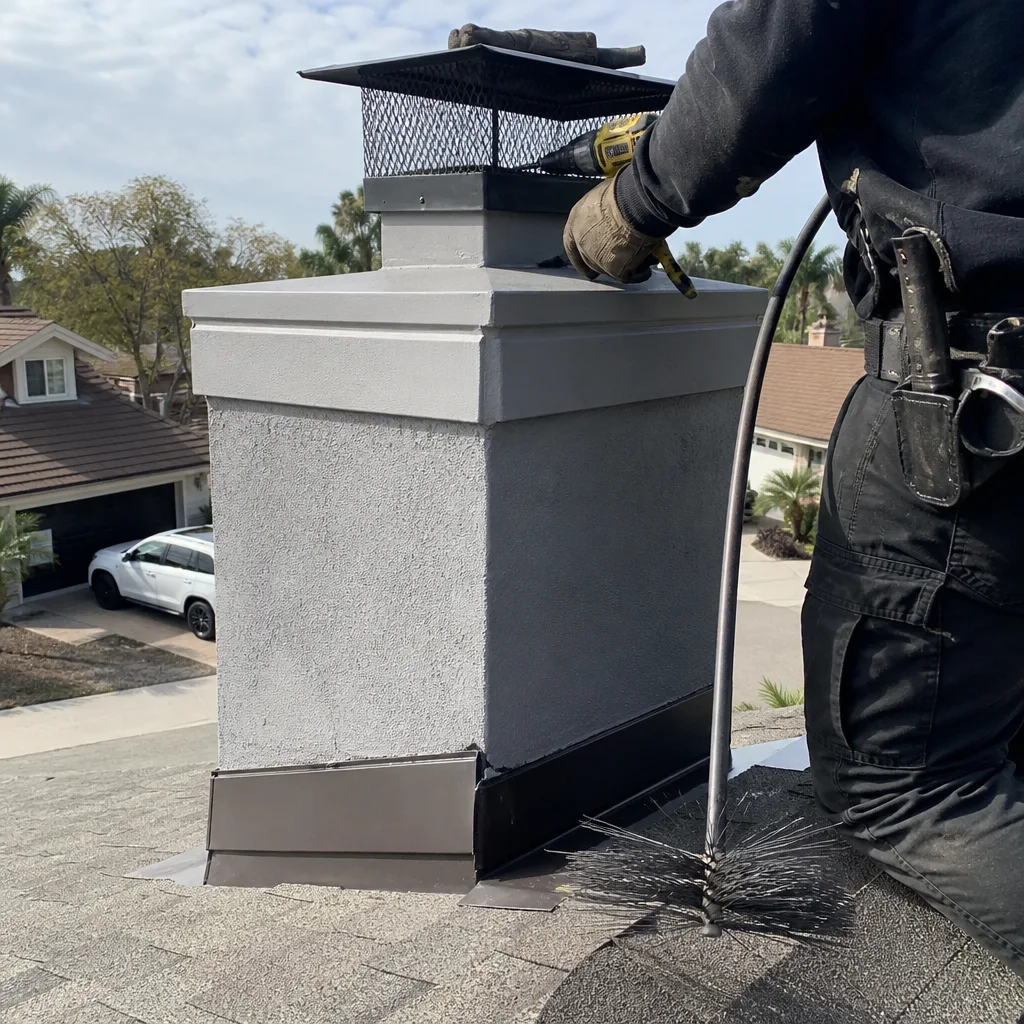
Level 1 sweep and inspection to the NFPA 211 annual standard - flue, crown, cap, and flashing checked and photographed
Chimney sweep logs do not sweep chimneys. They loosen some creosote - which then falls where a brush and vacuum still have to collect it.
Seasonal Chimney Cleaning Care for Carlsbad: Year-Round Homeowner’s Guide
Carlsbad homeowners who clean their chimney in October, following the national playbook, are cleaning it after wildfire smoke and ember debris have already settled in the flue all summer, not before the problem starts. That’s the core mismatch this guide fixes. We’ll walk you through what your chimney actually needs in each quarter here, why mild winters create creosote problems most people don’t expect, and how to build a maintenance calendar that matches how Carlsbad homes really use fireplaces. If you’ve been running on “sweep it before winter” advice from a national website, this is the guide that replaces it, with more guides & resources for coastal California homeowners.
Styles & brands we work with
Quick Answer
Carlsbad’s chimney maintenance calendar runs opposite to national advice: the most important inspection window is late summer, when wildfire season debris and marine-layer moisture have done their damage, not October. Year-round care means a late-summer inspection, a pre-burn-season check of dampers and caps, monitoring creosote during mild winter use, and a post-rain-season moisture inspection each spring. See our Chimney Cleaning Emergency Preparedness Guide for Carlsbad Homes for what to watch.
Table of Contents
- Late Summer: The Real Inspection Season in Carlsbad
- Fall: Preparing for the First Fire Without Overlooking Mild-Climate Risks
- Winter: Why Infrequent Low-Heat Fires Build More Dangerous Creosote
- Spring: The Post-Rain Moisture Inspection Checklist
- Building a 12-Month Chimney Maintenance Calendar for Your Carlsbad Home
- How Your Fireplace Type Changes the Schedule
- Common Mistakes to Avoid
- When to Call a Professional
- Frequently Asked Questions
- The Bottom Line
Late Summer: The Real Inspection Season in Carlsbad
If you only schedule one chimney service per year in Carlsbad, schedule it in August or September. Here’s why: coastal San Diego County sits directly in the path of wildfire smoke patterns that settle into flues during the driest months. When Santa Ana winds push smoke inland from fires burning east and north of the county, that particulate matter cools inside your chimney and deposits as a film on creosote already there from last winter. Combining wildfire residue with existing creosote creates a thicker, stickier layer that’s harder to remove and more flammable than creosote alone.
We’ve opened flues in Carlsbad in late summer and found ember debris, ash, and smoke film from fires that burned 40 miles away. Marine-layer humidity compounds this: the same overnight moisture that leaves dew on cars in La Costa and Bressi Ranch condenses inside flues, turning dry soot into a paste that clings to flue walls. October cleanings remove this, yes, but after it’s been sitting in your flue through the hottest, driest weeks of the year.
Late-summer inspection checklist for Carlsbad homes:
- Have the flue professionally swept if it hasn’t been cleaned since last winter, regardless of how few fires you burned.
- Check the spark arrestor and cap for ember damage. Wildfire embers travel farther than most homeowners assume. A damaged cap is a fire entry point.
- Inspect the damper for rust and proper sealing. Marine air corrodes dampers faster in Carlsbad than inland.
- Look for signs of animal nesting. Hot dry summers drive birds and rodents into chimney cavities looking for cooler shelter.
If you want to understand what a thorough Carlsbad sweep includes, see our guide on Chimney Sweep in Carlsbad. The key takeaway: late summer is not “early” in Carlsbad. It is exactly on time.
Fall: Preparing for the First Fire Without Overlooking Mild-Climate Risks
By October, most Carlsbad homeowners are thinking about the first fire of the season as a pleasant evening event, not a heating necessity. That’s exactly when damper operation starts to matter more than it does in colder climates. Here’s the logic: in a cold-climate home, a slightly sticky damper gets noticed immediately because a cold draft pours into the living room. In Carlsbad, the temperature difference between inside and outside is small enough that a damper that doesn’t seat fully often goes undetected. You’re not losing much heated air because you’re barely heating. But a damper that doesn’t close tightly allows marine moisture into the flue all winter, accelerating creosote breakdown and rust inside the flue liner.
Before the first fire, do this yourself or have it done with a seasonal check:
- Open the damper fully, then close it while listening. A properly seated damper makes a solid thunk. A scraping or metallic rattle indicates warping or rust.
- Shine a flashlight up the flue from inside the firebox. Look for visible creosote buildup, obstruction, or light coming through where it shouldn’t.
- Check the chimney exterior from the ground. Look at the cap, crown, and flashing. Loose flashing or a missing cap in September means a wet winter chimney in January.
Fall is also when we see the most cracked flue tiles discovered during inspections. The reason is simple: summer heat expands the tile, and the first cool nights contract it. Small hairline cracks that were invisible in July become obvious in October. If you’re in a home built before 1990 in Carlsbad’s older neighborhoods near the Village, your flue has been through thirty-plus expansion cycles. Local Chimney Cleaning Permits, Codes & Inspections in CA: What You Need to Know may affect repair requirements for these aging systems. Catching tile cracks in fall means fixing them before winter fires pressurize the gap and send heat into the chimney chase.
Winter: Why Infrequent Low-Heat Fires Build More Dangerous Creosote
Here’s the counterintuitive truth about Carlsbad winters: they’re more dangerous for creosote formation than a Minnesota winter. Cold-climate homeowners burn hot, frequent fires because they need the heat. The flue stays hot, the draft is strong, and creosote has less opportunity to condense. Carlsbad homeowners burn short, occasional fires on pleasant 60°F evenings. The firebox never reaches the sustained high temperatures needed for complete combustion. The flue cools quickly after the fire. This is the exact profile that produces Stage 2 creosote, the flaky, tar-like coating that’s significantly more difficult to remove and more flammable than Stage 1 soot.
In our experience, Carlsbad chimneys with light seasonal use often have worse creosote than chimneys in cold climates with heavy use. Homeowners are surprised when a sweep shows them glossy, flaky buildup after just eight or ten fires. The chemistry is consistent: partial combustion at lower temperatures condenses creosote faster than hot complete burns.
What this means for winter maintenance:
- If you burn more than twice per week during December and January, inspect the flue mid-season. Don’t wait until spring.
- Burn small, hot fires rather than large, damped-down smoldering fires. Less fuel, more air, shorter burn time.
- Use seasoned hardwood. Soft woods and unseasoned wood produce dramatically more creosote, and the mild Carlsbad winter doesn’t provide the heat needed to burn it off naturally.
If you notice a sharp, smoky odor indoors when the fireplace is not in use, or visible black flakes in the firebox, schedule a mid-winter sweep. That odor is creosote off-gassing, and it signals heavy buildup. This is not something to put off until spring. Stage 3 creosote, the hardened tar glaze, requires mechanical removal and in some cases chemical treatment. Left alone, it is the primary fuel source for chimney fires.
For homeowners who discover a damaged liner during a winter inspection, there’s a repair option worth knowing about before you assume the worst. Supreme Chimney Sweep is HeatShield-capable, meaning we can resurface a damaged flue liner without a full replacement in many cases. HeatShield is a cerfractory sealant system that restores the flue’s structural integrity at a fraction of relining cost. Not every sweep in Carlsbad offers this. If we find damage during a routine sweep, we can often repair it the same visit rather than handing you a report and a referral to another contractor. If a full relining is required, we install DuraFlex flexible liner systems, the professional-grade standard used by specialized chimney contractors nationwide.
Spring: The Post-Rain Moisture Inspection Checklist
Carlsbad gets most of its rain between December and March. That means April is the month when water damage reveals itself: stained ceilings near the chimney chase, efflorescence on brick, rust stains on the fireplace face, or a musty odor coming from the firebox. None of these appear during the rain itself. They show up two to six weeks later as moisture wicks through masonry and framing.
Post-rain-season inspection checklist for Carlsbad:
- Flashing: Check the seal where the roofline meets the chimney. Carlsbad’s coastal salt air accelerates flashing sealant breakdown faster than inland. Lifted or cracked flashing lets rain run directly into the chimney chase.
- Chimney crown: Look for hairline cracks from the ground with binoculars if the roof is inaccessible. Crown cracks wider than 1/16 inch let water into the masonry, and freeze-thaw isn’t the issue here. It’s salt air and repeated wetting that erode the mortar from inside.
- Chimney cap and spark arrestor: Rust, animal damage, or missing mesh. A cap with compromised mesh in spring means bird nesting in summer.
- Firebox and damper: Rust on the damper plate or moisture staining inside the firebox indicates water entry from above. The damper should never be wet in April.
- Dryer vent termination: While you’re checking exterior vents, look at the dryer vent exit point. Winter rains can loosen the termination and allow lint to accumulate behind it. This is a fire hazard that compounds during spring laundry season.
Spring is also the right time for a full chimney inspection if you bought your home in the last year. A seller’s inspection and a buyer’s inspection often miss things a dedicated chimney professional catches. If you’re in a newer Carlsbad development like Robertson Ranch or an older coastal property near Tamarack, the chimney was built to different standards and has aged differently. One inspection establishes a baseline you can compare against every year after. We perform this as part of our standard sweep service, not as a separate upsell.
Our Chimney Repair in Carlsbad page has more detail on crown repair, flashing replacement, and cap restoration for homeowners who find damage during a spring inspection.
Building a 12-Month Chimney Maintenance Calendar for Your Carlsbad Home
The schedule below maps maintenance to Carlsbad’s actual climate pattern: dry summers with wildfire smoke risk, mild damp winters, short rainy season, and persistent marine-layer moisture. Follow this and you’ll never clean a chimney after the damage has already settled in.
- January: Monitor creosote if burning regularly. Watch for smoke odor indoors and black flakes in the firebox. Mid-season sweep if either appears.
- February: Check the damper seal. Marine moisture is at its peak. A damper that doesn’t seal lets wet ocean air into the flue nightly.
- March: Last rain-month. Inspect interior ceilings near the chimney for staining. Note any musty odor in the firebox.
- April: Full post-rain moisture inspection: flashing, crown, cap, firebox, damper. Schedule repairs now, not in October.
- May: Spring sweep if you burned a full winter season. Clear out creosote before summer heat bakes it into a hardened layer.
- June: Check the spark arrestor and cap mesh. Birds and rodents nest in late spring and early summer. Clear obstructions early.
- July: Wildfire season begins in earnest. Note smoke days. If significant smoke settles over Carlsbad, mark the flue for sediment check.
- August: Primary annual inspection and sweep. This is the most important service of the year for Carlsbad homes.
- September: Repairs from the August inspection should be completed now, before first burn. Verify damper operation before first fire.
- October: First-fire check: damper open, cap clear, kindling on a clean grate. If you skipped August, sweep now, but understand you’ve waited past the ideal window.
- November: If burning regularly, monitor smoke draw. Weak draw in November signals a structural issue, not a cold flue. Warm Carlsbad air doesn’t create the strong draft cold chimneys do.
- December: Mid-season creosote check if you’ve burned more than a dozen fires. This is the month Stage 2 creosote accumulates fastest in mild-climate fires.
For homes with dryer vent cleaning in Carlsbad needs, pair the dryer vent inspection with the same spring and fall visits. The dryer vent is the second-leading cause of home fires in the U.S., and Carlsbad’s marine air accelerates lint compaction inside vents. One appointment covers both systems. We treat dryer vent cleaning as a safety service, not a convenience add-on. Combined with chimney maintenance, it gives you whole-home ventilation safety coverage.
How Your Fireplace Type Changes the Schedule
Not all Carlsbad fireplaces age the same way. The maintenance calendar above is a baseline. Adjust it based on what you’re actually burning in:
Open Masonry Fireplace
The classic brick fireplace common in older Carlsbad homes near the Village and along the coast. These produce the most creosote per fire because they’re inefficient: most heat goes up the flue, and the firebox rarely reaches complete combustion temperatures. If you have an open masonry fireplace, schedule the August sweep annually without exception, even if you only burn four or five fires per year. The creosote you produce is concentrated and sticky.
Factory-Built Prefab Fireplace
Common in Carlsbad homes built from the 1980s through the 2000s. These have metal flues with narrower clearances. They’re more efficient than masonry fireplaces, which means less creosote, but they have a specific vulnerability: the refractory panels inside the firebox crack with age, and replacement parts are brand-specific. If a panel cracks, don’t burn until it’s replaced. Heat reaching the metal shell through a cracked panel is how prefab fireplace fires start inside walls. We stock panels and components from Copperfield and Olympia Chimney, professional-grade replacement lines that match original manufacturer specs. No big-box substitutes, no “will fit” adaptations.
Wood Stove Insert
Increasingly popular in Carlsbad as homeowners upgrade efficiency. Inserts burn hotter and cleaner than open fireplaces, reducing creosote formation. But inserts also hide the flue from view, which means problems develop invisibly. The liner behind an insert can’t be seen from the firebox, and a homeowner has no way to assess creosote buildup without removing the insert or running a camera up the flue. Annual inspection remains essential. If a liner replacement is needed, we install DuraFlex flexible liner systems sized to the insert’s output requirements. This is the same product line specialty stove shops specify.
Gas Fireplace
Gas fireplaces in Carlsbad still need annual service, but for different reasons. The chimney doesn’t carry creosote, but it vents carbon monoxide, and a blocked or leaking vent is a direct CO risk. Gas units also accumulate soot on logs and burners, which reduces efficiency and shortens component life. If you have a gas fireplace, the annual service is a safety inspection of the vent system and burner assembly, not a creosote sweep. Much of this overlaps with standard chimney inspection procedures. Don’t skip it just because there’s no wood to clean.
Common Mistakes to Avoid
- Following the national “sweep in October” schedule. In Carlsbad, an October sweep cleans out a summer’s worth of wildfire residue after it’s been sitting in your flue through the driest months. August or September is the correct window.
- Assuming light fireplace use means no creosote. The opposite is true. Infrequent, low-heat fires common in Carlsbad winters produce Stage 2 creosote faster than heavy cold-climate use because the flue never reaches sustained high temperatures.
- Ignoring damper seal because “we don’t need the heat.” A poorly sealing damper in Carlsbad lets marine moisture into the flue year-round. The damage is gradual and invisible, then shows up as rust and cracked flue tiles years later.
- Treating the dryer vent as unrelated to chimney maintenance. Both are ventilation fire hazards, and both are affected by Carlsbad’s coastal air. Lint compaction accelerates in humid salt air. If you’re already thinking about ventilation safety, cover both systems.
- Using firewood that’s been sitting outside uncovered. Carlsbad’s marine layer soaks firewood overnight, and damp wood is the primary cause of the low-temperature, creosote-heavy fires that plague coastal homes. Store wood covered.
- Skipping the spring inspection because “nothing went wrong this year.” Rain damage shows up in April and May, not during the rain. By the time you see a ceiling stain, water has been infiltrating for weeks or months.
- Assuming a home inspection covered the chimney. General home inspectors perform a visual check, not the full camera inspection a chimney professional does. We regularly find flue damage in Carlsbad homes that passed their buyer’s inspection six months earlier.
When to Call a Professional
Call a professional chimney sweep if you notice any of these: smoke backing up into the room when the fireplace is in use, a strong creosote odor when the fireplace is cold, visible black flakes in the firebox, rust or moisture staining on the fireplace face, efflorescence on exterior brick, or a recent home purchase where the chimney hasn’t been camera-inspected. Also call if it’s been more than a year since the last inspection, even if the fireplace was barely used. Carlsbad’s wildfire smoke season and marine moisture make annual inspection the minimum for safety. Supreme Chimney Sweep offers free estimates in Carlsbad, call (833) 589-8164. If we find damage during a sweep, we can often repair it the same visit. We carry structural components, caps, dampers, and liners from professional-grade brands: Gelco, Olympia Chimney, Famco, Copperfield, and DuraFlex. Nothing is recommended without camera evidence you can see for yourself, and we’ll tell you plainly when work can safely wait.
Frequently Asked Questions
Once per year at minimum, scheduled in August or September rather than October. Carlsbad’s wildfire season deposits debris in flues during summer, and the late-summer window clears it before first burn. Homes that burn more than twice per week during winter should consider a second mid-season check. Call (833) 589-8164 to schedule a free estimate.
Standard chimney sweeps in Carlsbad typically range from $150 to $300 depending on flue condition, accessibility, and whether the fireplace has an insert. For detailed pricing factors, see our Chimney Cleaning Cost Breakdown: The Carlsbad Homeowner’s Reference for 2026. Repairs like cap replacement, crown sealing, or liner work are additional and quoted after a camera inspection shows exactly what’s needed. Every estimate we provide is free and includes the camera findings so you can see what we see before deciding.
Not always. Traditional advice was full relining for any significant flue damage, and many Carlsbad homeowners have been quoted $3,000 to $7,000 for this. HeatShield liner resurfacing can restore a damaged flue without full replacement in many cases, at a fraction of the cost. The flue is first camera-inspected to assess the extent of damage. If full relining is required, we install DuraFlex systems, but we’ll show you the camera evidence either way. Call (833) 589-8164 and we’ll walk you through what your flue actually needs.
Three things, in order of likelihood: First, creosote accumulates and eventually ignites, causing a chimney fire that can crack the flue liner and spread into the home’s framing. Second, water intrusion through a damaged crown or flashing rots the chimney chase from inside, a repair that costs multiples of what an annual inspection costs. Third, a blocked or damaged flue vents carbon monoxide into the house instead of up and out. Each of these is preventable with one annual service.
Yes, and in Carlsbad the answer is even more emphatic than elsewhere. Infrequent low-heat fires create more dangerous creosote than regular hot burns, and Carlsbad’s wildfire season loads flues with debris regardless of how often you burn. A once-a-year August sweep is the minimum for coastal San Diego County, not a suggestion for heavy users only.
Yes, and you should. The dryer vent is the second-leading cause of home fires in the U.S., and Carlsbad’s humid marine air compacts lint faster than inland climates. Supreme Chimney Sweep handles both systems in a single appointment, so one call covers both of your home’s main ventilation fire hazards. Call (833) 589-8164 for combined pricing.
The Bottom Line
Carlsbad’s chimney maintenance calendar doesn’t match the national playbook, and following generic advice means cleaning your flue after the damage window has closed. Late summer is the critical inspection season here, mild winters produce more dangerous creosote than cold ones, and spring is when water damage finally shows itself. One annual August sweep, a fall damper check, winter creosote monitoring if you burn regularly, and a spring moisture inspection cover the full year. If you want a chimney professional who can both find and fix problems, see our Supreme Chimney Sweep home page or call (833) 589-8164 for a free Carlsbad estimate. We don’t just clean, we inspect, repair, and restore.
Written by the team at Supreme Chimney Sweep, serving Carlsbad since 2012.
See the difference
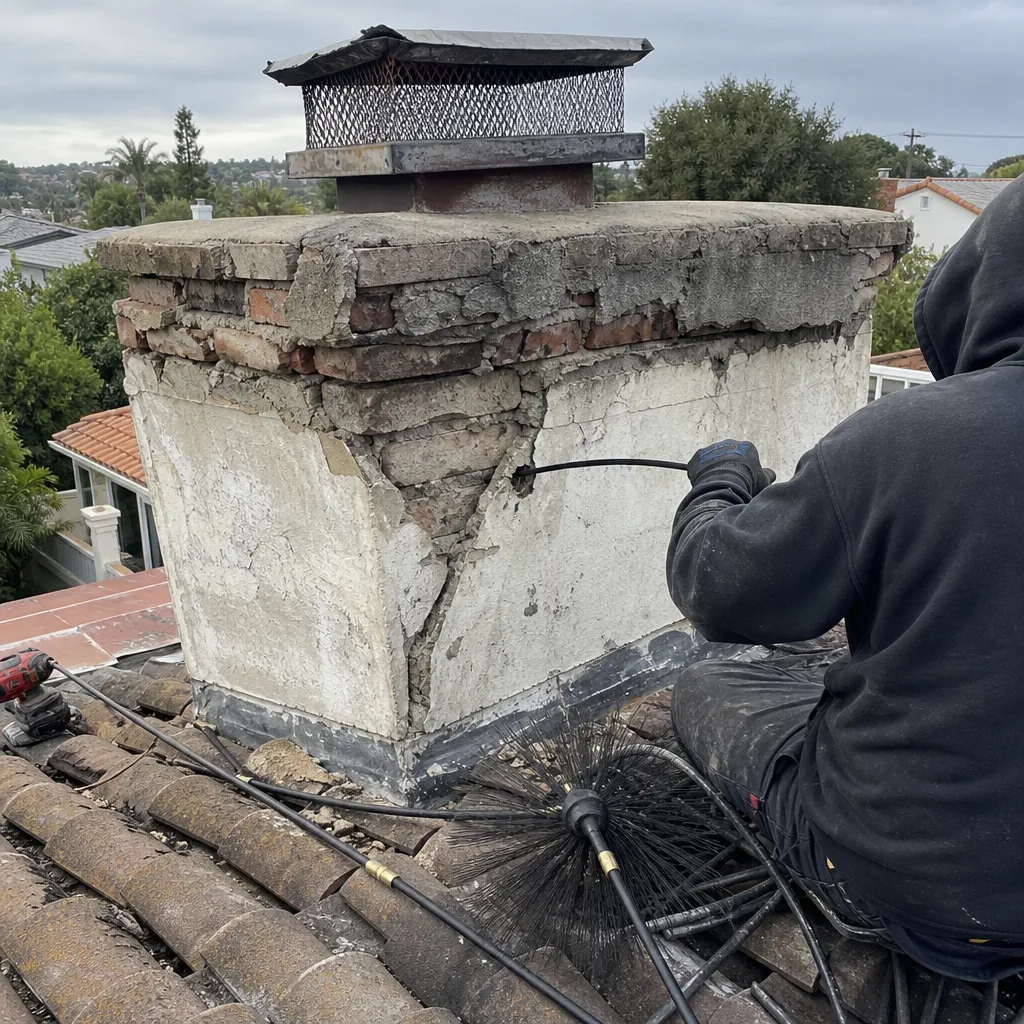 Before
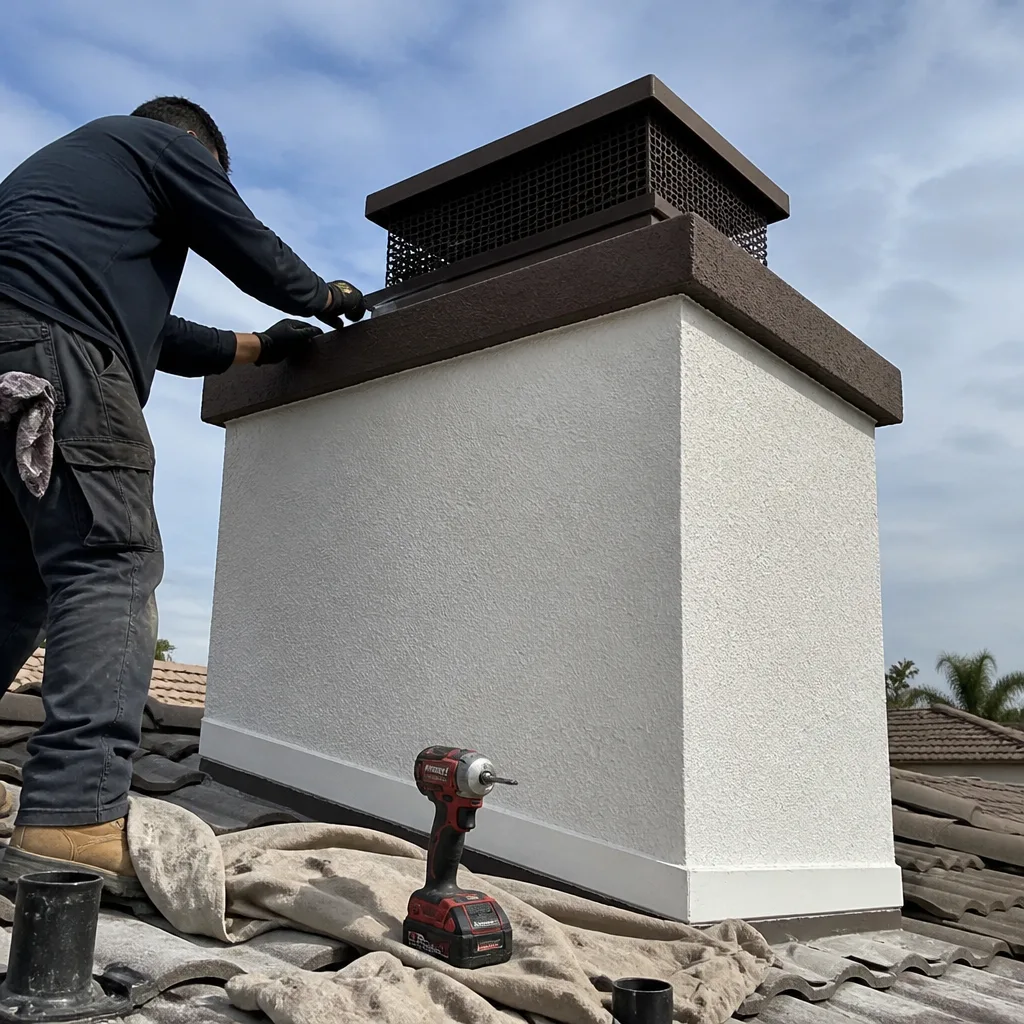 After
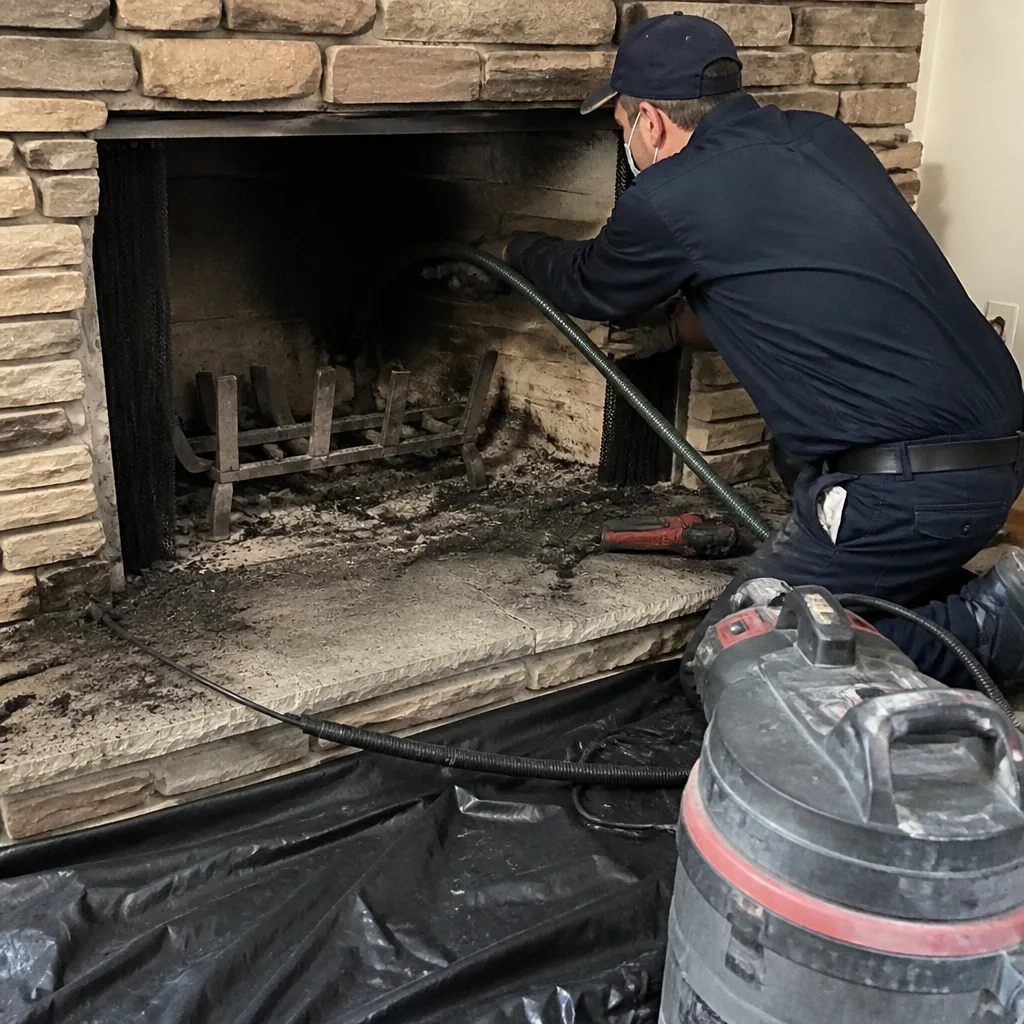 Before
 After
 Before
 After