

Last updated October 30, 2026
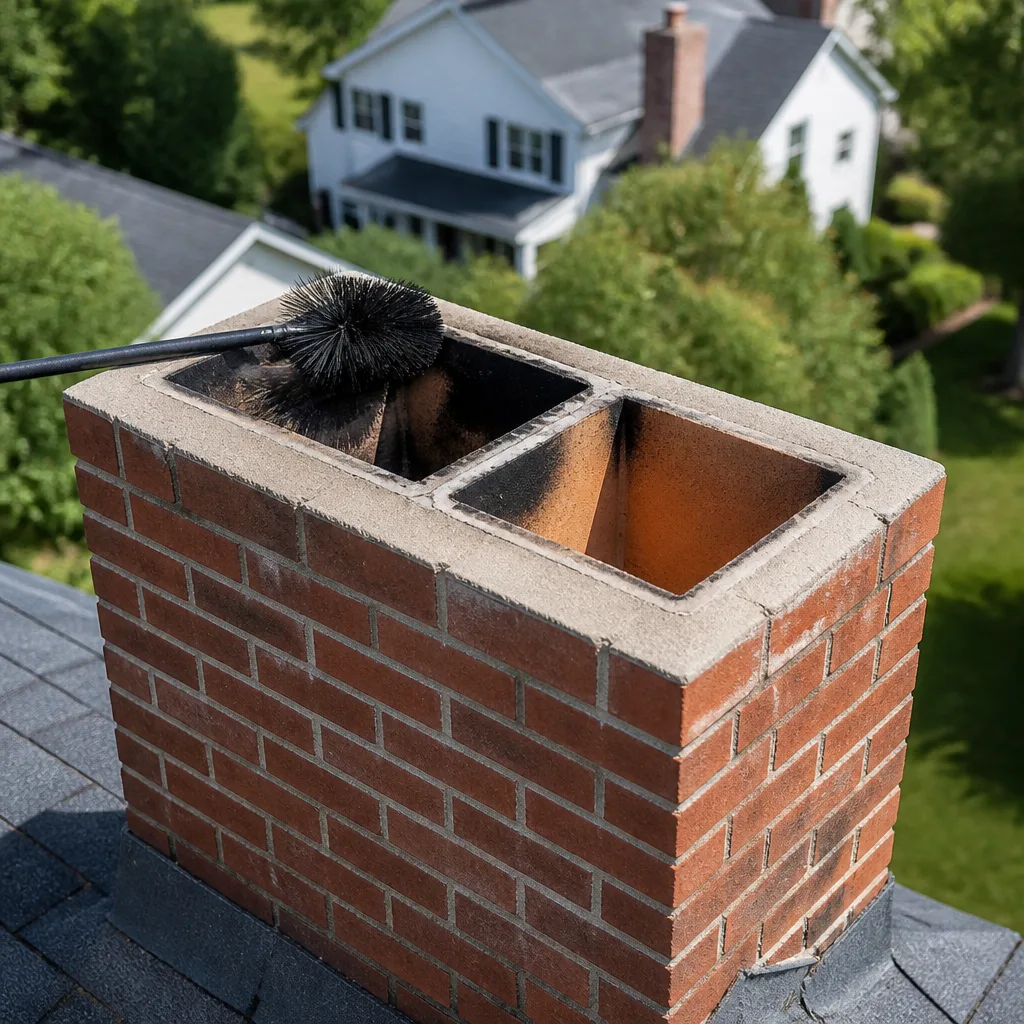 Sweep & inspection
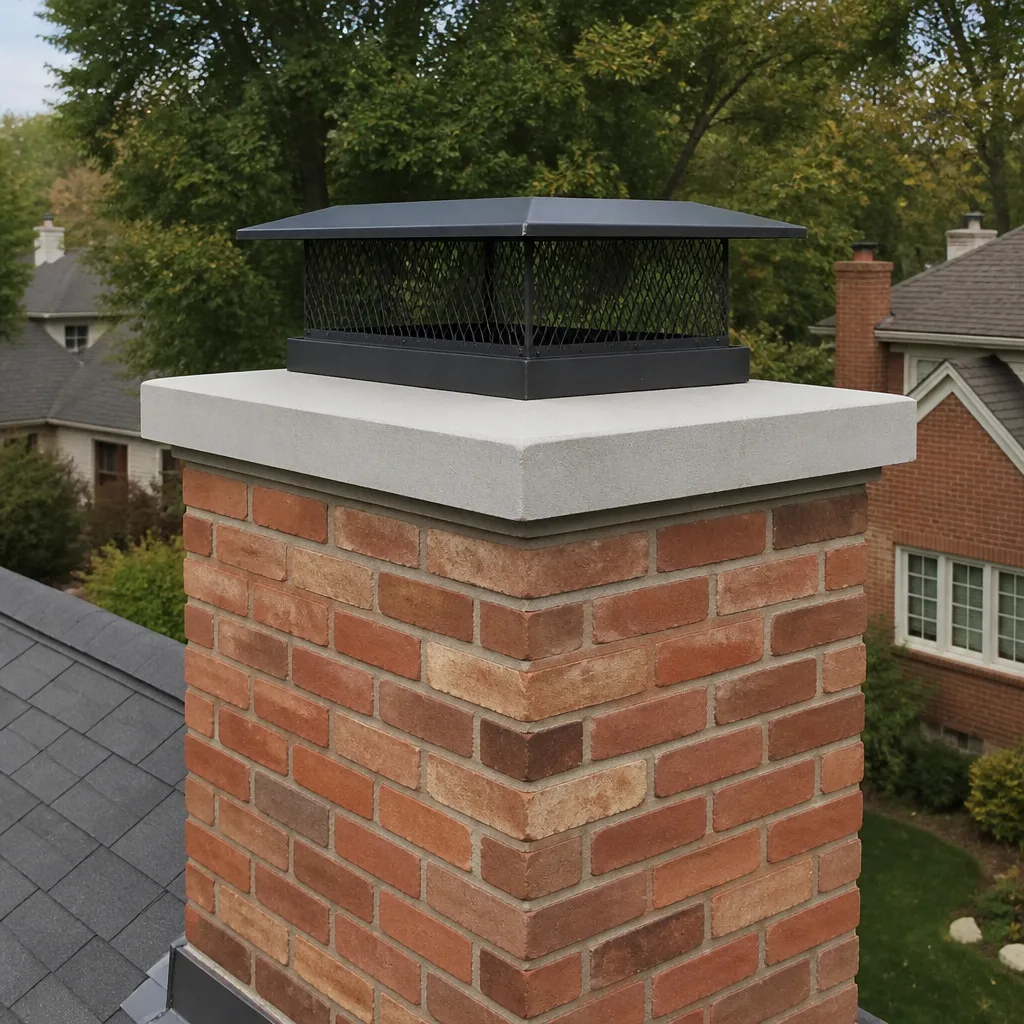 Caps & crowns
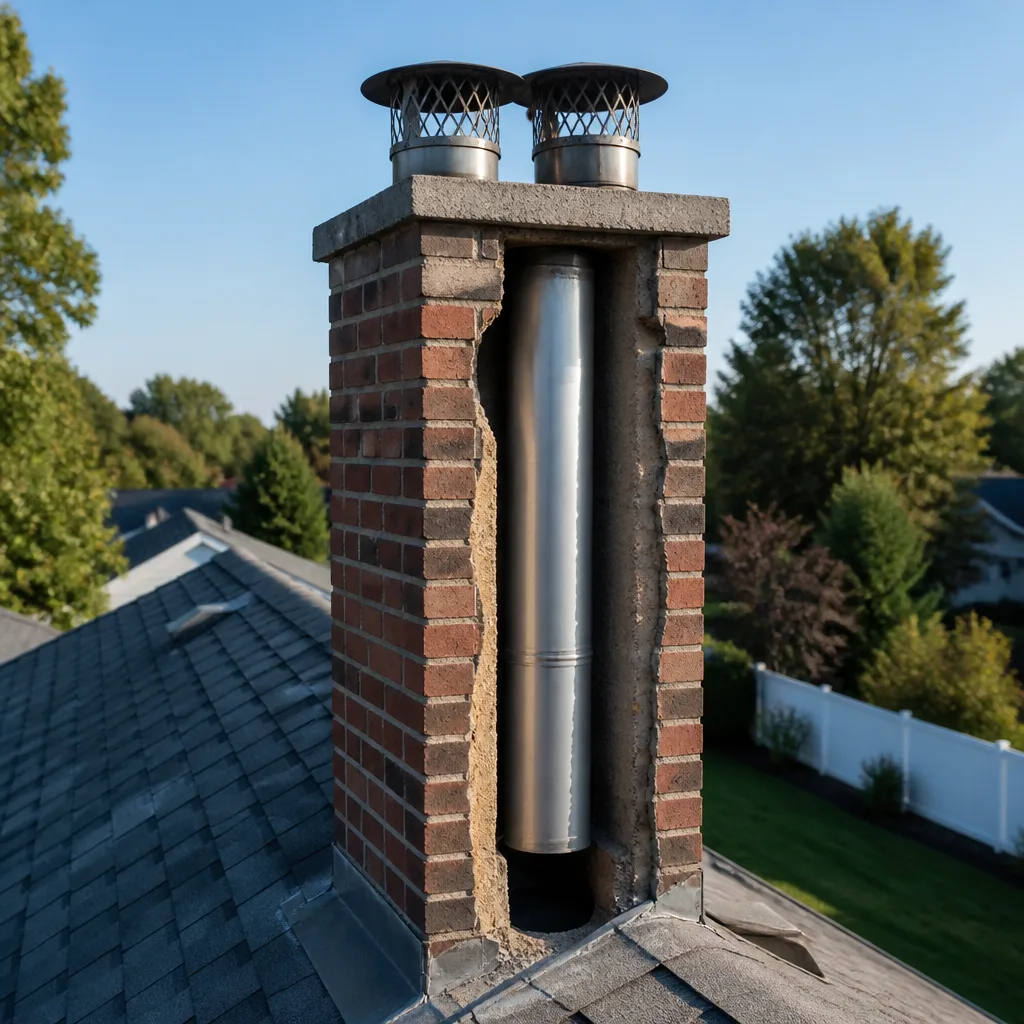 Flue relining
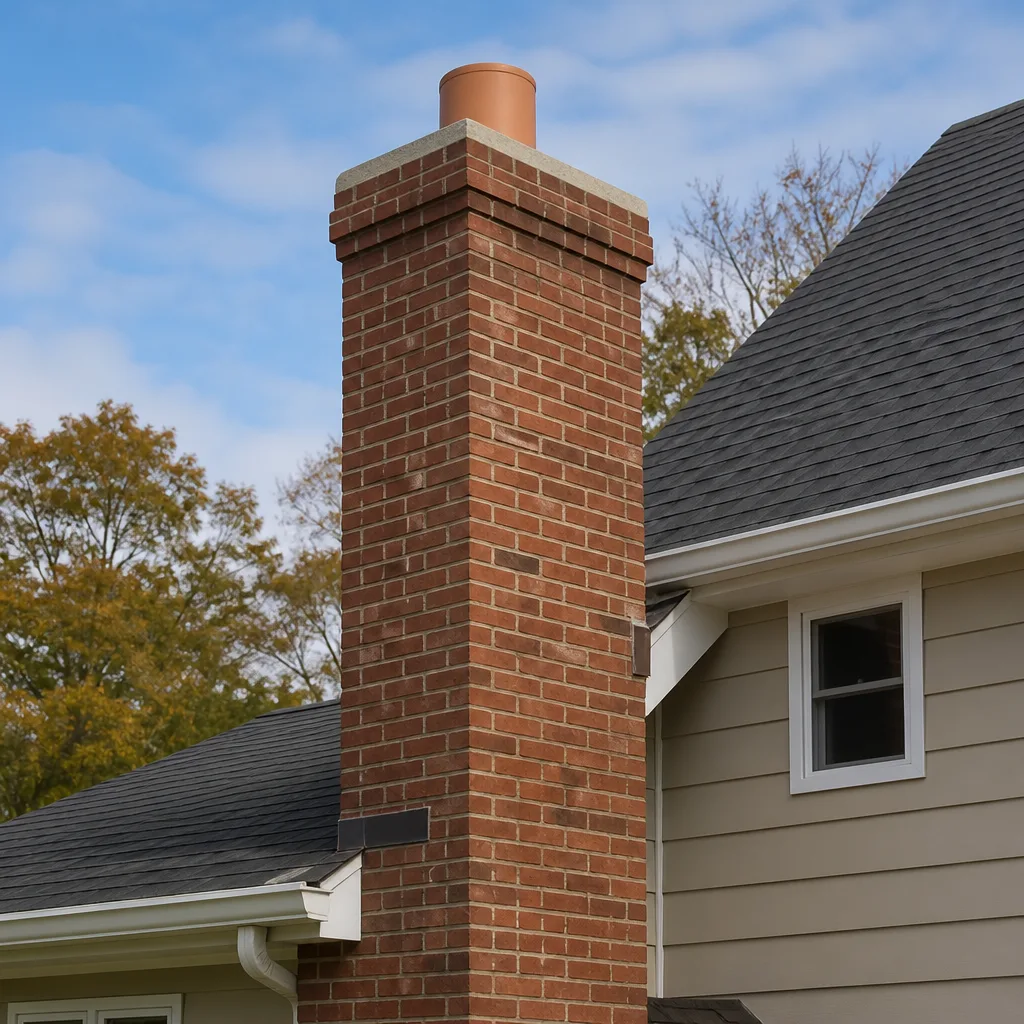 Masonry repair
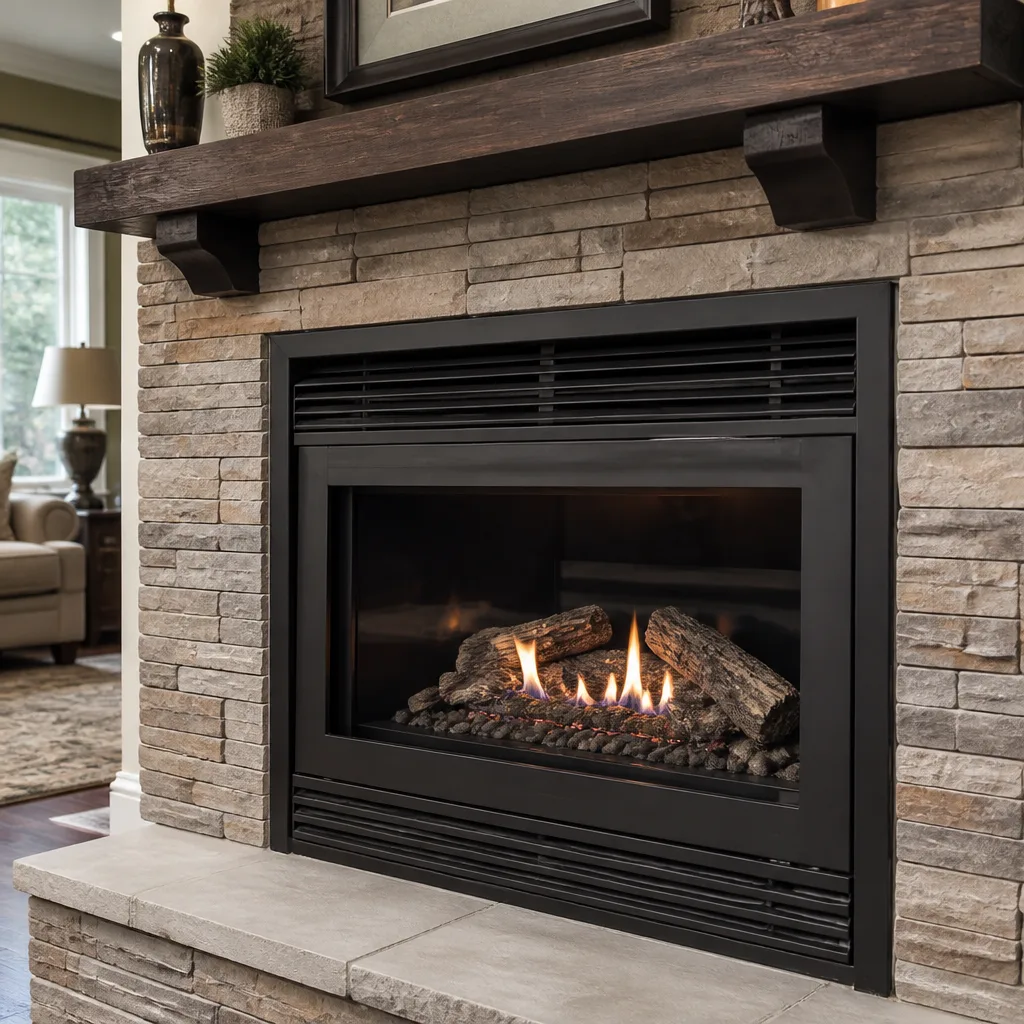 Gas fireplace service
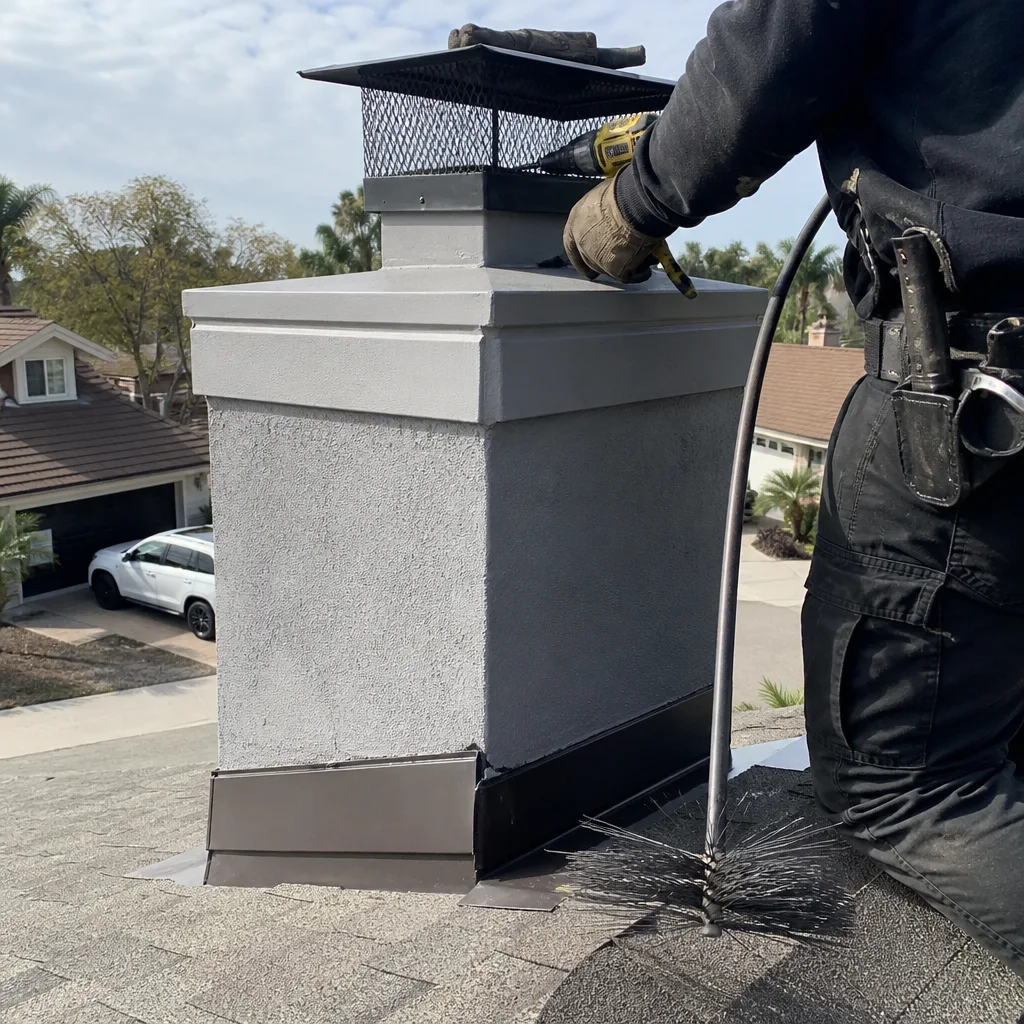
Level 1 sweep and inspection to the NFPA 211 annual standard - flue, crown, cap, and flashing checked and photographed
Chimney sweep logs do not sweep chimneys. They loosen some creosote - which then falls where a brush and vacuum still have to collect it.
The Complete Chimney Sweep Guide for Carlsbad Homeowners
Most Carlsbad homeowners assume their chimney is fine because they barely use it. That assumption is exactly what gets people into trouble. Low-use chimneys in coastal climates are often in worse shape than fireplaces that burn every week during a New England winter. Salt-laden air works on mortar and metal year-round, whether you light a fire or not. Animals move into quiet flues. Moisture settles into dormant liners. By the time you notice a problem, the repair bill has usually doubled. This guide explains what actually happens inside a Carlsbad chimney between uses, what you need to do about it, and when to act. You’ll learn how coastal conditions differ from inland San Diego, what an inspection actually covers, why the Santa Ana season matters, and how to tell a thorough sweep from a quick once-over.
Styles & brands we work with
Quick Answer
Chimney sweeping in Carlsbad typically costs between $189 and $329, and what most coastal homes need first isn’t just a sweep, it’s a full inspection paired with cleaning. Homes in the 92008 through 92011 zip corridor face salt-air corrosion and animal intrusion risks that inland chimneys don’t, which means low-use fireplaces here often need more attention than heavily used ones elsewhere. Book an inspection before Santa Ana wind season, and choose a sweep who can repair what they find on the same visit.
Table of Contents
- Why Carlsbad Chimneys Are Different From Inland San Diego
- Why “I Only Use It a Few Times a Year” Is a Risk Factor, Not a Safety Buffer
- Inspection vs. Cleaning: What Each Covers and Which One You Actually Need First
- What a Full-Service Assessment Looks Like vs. a Basic Sweep-and-Go
- How Much Does a Chimney Sweep Cost in Carlsbad?
- Local Seasonal Timing: Why Pre-Santa Ana Season Is the Optimal Window
- What Actually Happens If You Skip It: The Real Risks
- Common Mistakes to Avoid
- When to Call a Professional
- Frequently Asked Questions
- The Bottom Line
Why Carlsbad Chimneys Are Different From Inland San Diego
Drive 15 miles east from Carlsbad Village to San Marcos, and you’re in a different chimney environment. The marine layer that rolls through La Costa, Aviara, and Bressi Ranch every morning deposits salt particles on exterior masonry and chimney caps. Those particles are hygroscopic, meaning they draw and hold moisture. Over time, that trapped moisture weakens mortar joints and accelerates rust on dampers and metal flashing. We’ve pulled dampers out of homes in the 92009 corridor that looked like they’d been sitting in a tide pool, while the same model damper in Escondido showed only light surface wear.
The wind factor matters too. Carlsbad’s prevailing onshore breezes push salt air into any gap in a chimney cap or crown. Small cracks that would stay dry in Poway get fed a constant supply of salt-laden moisture here. Mortar in Carlsbad chimneys tends to spall, meaning it flakes and crumbles from the surface inward, faster than mortar in inland North County. Homeowners in the 92008 through 92011 zip corridor should think of their chimney as a coastal structure, not a fireplace accessory. The maintenance calendar is different. The failure modes are different. And the repair materials need to be specified for a salt-air environment, not pulled off a shelf designed for Phoenix.
What Salt Air Actually Does to Your Chimney
- Mortar erosion: Salt crystals expand and contract with temperature swings, gradually breaking down the bond between bricks. Crown cracks widen faster near the coast.
- Damper rust: Standard steel dampers corrode quickly in marine air. If your damper handle feels stiff or the plate shows orange flaking, salt has already gotten to it.
- Liner surface pitting: Clay tile liners develop surface spalling that catches creosote more easily, even with light use. Metal liners like DuraFlex fare better, but only when properly installed and capped.
- Chase cover deterioration: Prefab fireplace units common in newer Carlsbad construction have metal chase covers on the roof. Galvanized covers rust through within a decade near the coast. Stainless or powder-coated replacements last far longer.
- Cap and screen failure: The wire mesh on standard chimney caps corrodes quickly in salt air. Once the mesh fails, animals get in.
Why “I Only Use It a Few Times a Year” Is a Risk Factor, Not a Safety Buffer
The most common thing we hear from Carlsbad homeowners is: “We barely use the fireplace, so it should be fine.” From a creosote-accumulation standpoint, that’s true. You’re not building up thick, tarry deposits like someone burning daily in a cold climate. But low-use chimneys in Carlsbad face a different set of risks that regular burning would actually mitigate. A fire every week dries the flue, deters animals, and forces you to notice when drafting gets weird. A fireplace that sits cold from March to November becomes a quiet, dark, moist cavity, and nature fills cavities.
Animals move in first. Birds, squirrels, rats, and raccoons all look for sheltered nesting spots. A chimney with an intact cap keeps them out. A chimney with a rusted-through cap screen or no cap at all invites them in. Birds build nests that block the flue entirely. Rats and squirrels drag in nesting material that can ignite. Raccoons can physically damage the damper frame trying to get in. Carlsbad’s proximity to canyons and coastal scrub means we see more wildlife intrusion than inland neighborhoods. La Costa and Calavera Hills especially, where natural habitat meets residential construction.
Moisture accumulates second. A dormant chimney with a cracked crown lets water penetrate the brick and mortar. That moisture works through freeze-thaw cycles in winter, even mild Carlsbad winters, and creates a slow but steady deterioration. By the time you see brown staining on the chimney face or spalling brick on the ground below, the internal damage is usually several seasons along. We’ve inspected homes in the 92010 area where the exterior looked fine, but the clay tile liner inside had flaked so badly that pieces had fallen into the smoke shelf and partially blocked the flue. The homeowner hadn’t lit a fire in two years and had no idea.
Creosote still forms, just differently. Low-use fireplaces in Carlsbad often accumulate what’s called Stage 1 creosote: a fine, sooty, dusty film. It’s not the thick, tarry deposit you see in heavy-use chimneys, but it’s still combustible. The bigger issue is that this dusty creosote traps moisture and accelerates liner corrosion from the inside. So a lightly used chimney is often dealing with simultaneous internal and external deterioration, all of it hidden.
Inspection vs. Cleaning: What Each Covers and Which One You Actually Need First
Most people book a chimney sweep as a standalone service: someone comes out, brushes the flue, vacuums the firebox, and leaves. That’s a cleaning. A level 2 chimney inspection is a different thing entirely, and it’s what most Carlsbad homes need first. The distinction matters because cleaning without inspection can actually mask problems, and inspection without cleaning doesn’t address the buildup that’s already there. Understanding what each service includes helps you book the right thing for your home’s actual condition.
A chimney cleaning removes accumulated creosote, soot, and debris from the flue and firebox. It typically involves using wire or poly brushes sized to your flue dimensions to scrub the interior walls, then vacuuming the debris from the firebox and smoke shelf. A cleaning addresses what’s on the surfaces. It does not evaluate what’s behind or between those surfaces. If your chimney has a crack in the flue liner, a brush will pass right over it. If there’s water damage in the attic around the chimney chase, a cleaning won’t find it. Cleaning is important, but it’s only half the job.
A chimney inspection evaluates the structure, components, and clearance-to-combustibles throughout the entire system. It looks at the crown, the cap, the flue interior, the damper, the smoke chamber, the firebox, and the surrounding roof and attic space where accessible. The Chimney Sweep in Carlsbad service we provide combines inspection with cleaning as a standard, because sending a homeowner away with a clean but structurally compromised chimney is doing them a disservice. Here’s what we’re checking when we inspect:
- Crown and cap condition: Is the concrete crown cracked? Is the cap mesh intact? Are there gaps where water or animals can get in?
- Flue liner integrity: Is the clay tile cracked, spalled, or missing sections? Is the metal liner rusted, kinked, or separated at the seams?
- Damper function: Does the damper open and close fully? Is the plate warped or rusted through? Does it seat properly when closed?
- Smoke chamber and smoke shelf: Are there gaps in the corbeling? Has debris accumulated behind the damper housing?
- Firebox masonry: Are the firebrick and refractory mortar intact? Are there gaps where flames could reach the framing?
- Clearance to combustibles: Is there adequate separation between the chimney structure and any wood framing, insulation, or roofing material?
If your Carlsbad home hasn’t had a professional inspection in the past two years, schedule an inspection-and-cleaning package. For DIY vs professional chimney cleaning considerations, see our decision guide before you book. It gets the buildup out and gives you a real picture of the system’s condition, which is what actually protects your house.
What a Full-Service Assessment Looks Like vs. a Basic Sweep-and-Go
There’s a meaningful difference between a company that sweeps chimneys and one that assesses, repairs, and restores them. Both may call themselves chimney sweeps. Both may charge a similar-looking price. But what happens during the visit, and what happens when a problem is found, are completely different experiences. Before you book in Carlsbad, understand what separates a full-service assessment from a sweep-and-go.
A sweep-and-go is exactly what it sounds like. The technician arrives with brushes and a vacuum, runs rods up the flue, cleans the firebox, hands you a carbon-copy receipt, and is gone in 45 minutes. If they notice a cracked liner or a rusted damper, they’ll tell you to call someone else, because they don’t carry repair parts and they’re not set up to do repair work anyway. You’ve paid for a cleaning, and now you’ve got a problem to solve with a second company, a second trip fee, and a second conversation explaining everything all over again. A sweep-and-go leaves damage unresolved and puts the burden on you to coordinate the fix.
A full-service assessment starts with the same cleaning but treats it as the diagnostic phase of the visit, not the entire service. We run a camera through the flue before and after cleaning so we can see what’s actually there. We document findings with photos you can look at yourself. We check the structural components from the roof down to the firebox. And critically, if we find damage, we can repair it on the same visit, because we stock professional-grade components on our trucks and in our local inventory. We don’t hand you a referral. We fix it.
How to Tell Which One You’re Getting Before You Book
- Ask if they carry repair parts on the truck. A company that only sweeps won’t. A company that repairs will have dampers, caps, sealants, and support hardware on board.
- Ask what happens if they find a cracked liner. If the answer is “we’ll let you know and you can decide,” you’re probably getting a sweep-and-go. If the answer is “we’ll show you the video and talk through repair options right then,” that’s a full-service operation.
- Ask if camera documentation is included. We include camera inspection as standard on every visit. Companies that charge extra often use it as a sales lever rather than a diagnostic tool, or they skip it entirely and you never see inside your own flue.
- Check what brands they work with. A full-service company can name the component manufacturers they use. We work with professional-grade chimney brands including DuraFlex, HeatShield, Gelco, Olympia Chimney, Famco, and Copperfield. These are the same lines specialty contractors specify nationwide, not big-box substitutes. If a company can’t tell you what cap or liner they’d install in your situation, that tells you something.
- Ask if they handle dryer vents too. It sounds unrelated, but it’s not. Lint-clogged dryer vents cause roughly 2,900 house fires a year in the U.S. A company that offers Dryer Vent Cleaning in Carlsbad as a documented fire-prevention service is treating your home’s ventilation systems the way they should be treated: as safety infrastructure. One call covers your chimney and your dryer vent, both fire hazards, both handled.
How Much Does a Chimney Sweep Cost in Carlsbad?
Chimney sweep pricing in Carlsbad runs from about $189 to $329 for a standard inspection-and-cleaning package on a single-flue fireplace. The spread depends on flue height, roof access difficulty, how much creosote is present, and whether the home is a single-story or two-story structure. Homes in the coastal flatlands of the 92008 corridor tend to be straightforward single-story ranches, which keeps access simple. Homes in the hillside neighborhoods of La Costa, Calavera Hills, and Bressi Ranch are often multi-level with steeper roof pitches and more complicated ladder access, which adds to the labor cost. A two-story chimney in the 92009 zip code with a steep pitch will typically land at the upper end of the range.
Repairs are priced separately because they depend entirely on what’s found during inspection. Here are typical ranges for the most common repair items in Carlsbad:
- Standard chimney cap replacement: $150 to $400 installed, depending on size and material. Stainless steel caps specified for coastal use cost more than galvanized, but galvanized near the coast is a false economy.
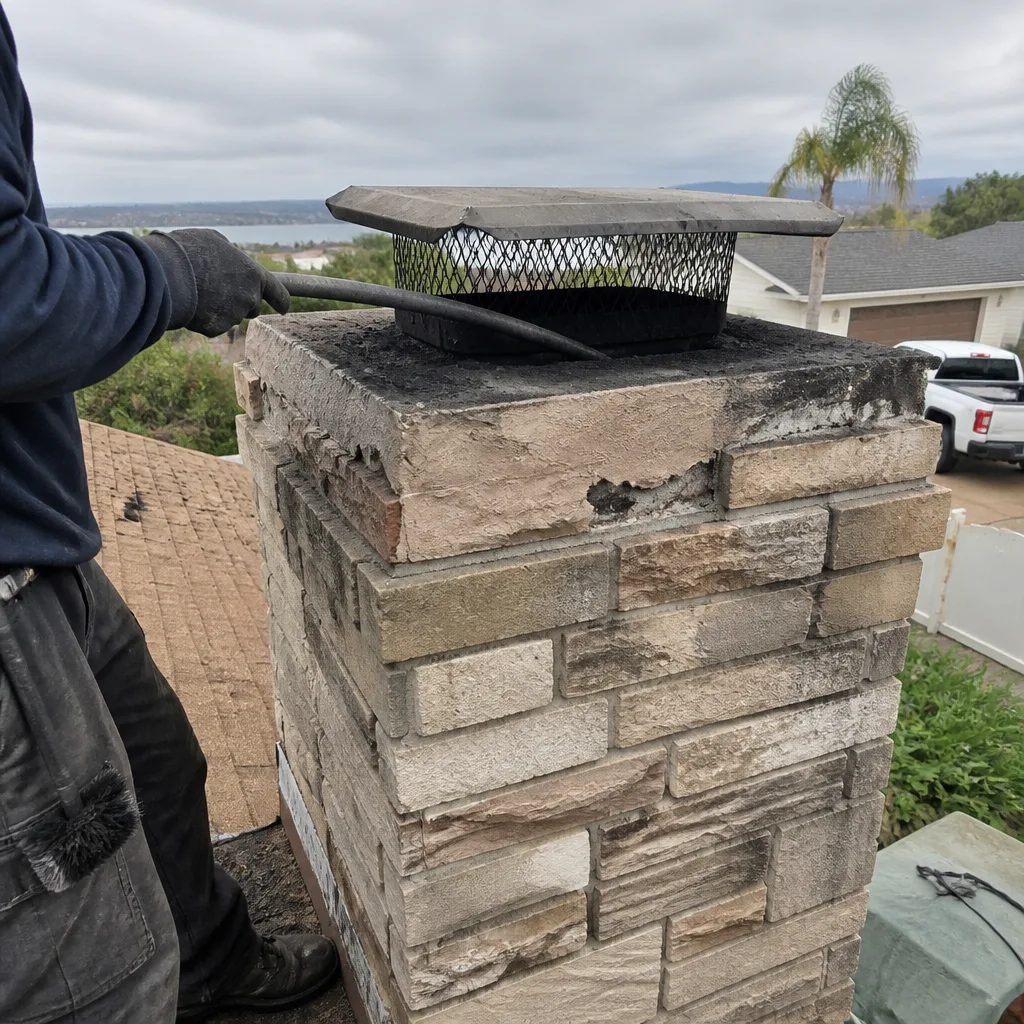
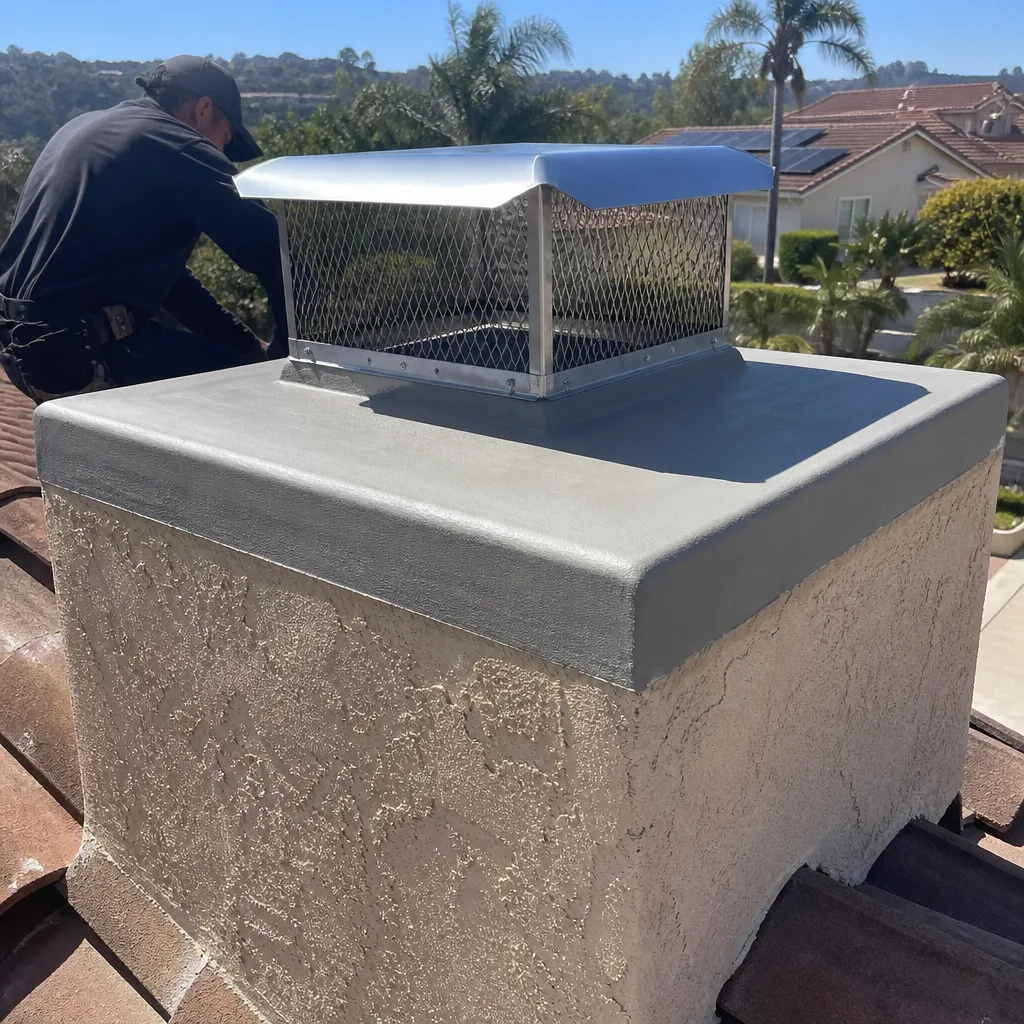
- Crown repair or resealing: $350 to $900. Minor cracks can be sealed with an elastomeric crown coat. A badly spalled crown needs to be rebuilt.
- Damper replacement: $250 to $600 for a standard cast-iron or steel replacement. Top-sealing dampers run higher and improve energy efficiency in coastal homes where damp marine air constantly works on the throat damper.
- Chase cover replacement: $500 to $1,200, depending on size and gauge. This is most common in newer prefab homes.
- Clay tile liner repair (single section): $400 to $900. Multiple damaged sections change the calculation.
- Stainless steel re-lining with DuraFlex: $2,800 to $6,000 depending on flue height and access. This is the durable fix when a clay liner fails structurally. We install DuraFlex flexible liner systems for re-lining jobs that require CSIA-recognized materials.
- HeatShield liner resurfacing: $1,500 to $4,000 depending on flue size and severity. This is a specialized repair method that can restore a damaged flue without the full cost of re-lining. Most Carlsbad sweeps cannot offer this, because HeatShield requires specific training and certification. It’s a meaningful cost-saving option for homeowners whose clay liners are spalled but structurally sound, and it’s one of the Chimney Repair in Carlsbad capabilities we offer that separates full-service operations from clean-and-go shops.
For an exact quote, call (833) 589-8164. Estimates are free, and the number we quote before the visit is the number you pay unless we find something that changes the scope, which we’ll always show you on camera before moving forward.
Local Seasonal Timing: Why Pre-Santa Ana Season Is the Optimal Window
In colder climates, the chimney maintenance calendar is simple: sweep in late summer or early fall, before burning season starts. Carlsbad doesn’t have a traditional burning season. What it has, and what most scheduling advice completely ignores, is Santa Ana wind season. That’s the real deadline for chimney work in North County San Diego, and it changes when you should schedule your inspection.
Santa Ana winds typically arrive between September and November, with the strongest events often occurring in October and sometimes extending into December and January. These winds are dry, strong, and channel through the foothills and canyons that surround Carlsbad’s eastern edge. They do two things to chimneys. First, they create a pressure differential that can pull embers out of a firebox or up a compromised flue and deposit them on roofs, in gutters, or into dry vegetation. A chimney that drafts fine on a calm coastal day can behave completely differently when a 50 mph offshore wind is roaring over the ridgeline. Second, Santa Anas arrive right after the driest months of the year. Brush is tinder-dry. Embers travel farther. The wind is moving them toward and across populated neighborhoods. A single spark from an uncapped chimney or an ember drawn through a cracked liner is how neighborhoods burn.
That’s why we recommend scheduling your chimney inspection and cleaning in August or September in Carlsbad, before the Santa Ana pattern settles in. You want your chimney capped, your liner inspected, and your flue clear before the first red flag warning. If you wait until late November, you’re scheduling during the exact window when you need the work already done. If you use your fireplace on cool winter evenings, October and November are when you’ll be burning, and you want that first fire of the season to go into a chimney you’ve already verified.
For Carlsbad homeowners who don’t burn at all, the timing is still worth respecting. Santa Ana season is when embers from nearby wildfires move through residential areas regardless of whether you’re burning. A properly capped, properly maintained chimney is one less vulnerability. Birds and rats also move into chimneys in late summer and early fall as they look for warm nesting sites, so an August or September inspection catches animal intrusion before it becomes a blocked flue during the windiest months of the year.
What Actually Happens If You Skip It: The Real Risks
Skipping chimney maintenance doesn’t cause your house to fall down. What it does is create slow, compounding conditions that eventually require expensive repairs or become dangerous in ways you can’t see until something goes wrong. Here’s what actually happens in Carlsbad homes when a chimney goes uninspected and uncleaned for five, ten, or fifteen years.
Chimney fires become possible even with light use. You don’t need a thick layer of glazed creosote to have a chimney fire. Dusty creosote plus a hot ember from even an occasional fire can ignite. Chimney fires can reach 2,000 degrees and crack flue liners, warp dampers, and damage the masonry structure. In a worst case, fire escapes the flue and reaches the roof or wall framing, turning a contained chimney fire into a structure fire. Few things in a home are more preventable than this.
Carbon monoxide exposure becomes a real risk. This is the one homeowners don’t think about enough. A blocked flue, whether from a bird’s nest, fallen liner debris, or heavy buildup, prevents combustion gases from venting properly. Those gases back up into the living space. Carbon monoxide is odorless, colorless, and can cause chronic headaches, nausea, and fatigue at low levels, or death at high ones. A chimney that’s never inspected is a carbon monoxide risk you can’t smell. We consider this one of the most compelling reasons to schedule annual inspection in Carlsbad, especially in older homes with clay tile liners that are more prone to hidden failure.
Water damage compounds silently. A cracked crown or missing cap lets water into the chimney structure. That water works on the mortar, the liner, the damper, and eventually the surrounding framing. By the time you see a water stain on the ceiling near the fireplace or on the chase wall in an upstairs bedroom, the moisture has been doing damage for a long time. Repair costs at that point involve drywall, insulation, possibly framing, plus the chimney work. The chimney inspection that would have found the crack originally costs a few hundred dollars.
Animal infestations become expensive gross-outs. A raccoon or squirrel in the chimney is more than annoying. Nests block the flue, which creates the carbon monoxide risk above. Urine and droppings create odor problems that soak into masonry and are hard to fully remove. Dead animals in the chimney are a biohazard and a smell that penetrates the entire house. Carlsbad’s canyon and open space areas mean animal pressure on homes is constant, and a rusted cap screen is an open door.
None of these risks announce themselves. That’s the point. A chimney that’s about to cause a problem usually looks exactly like a chimney that’s fine, which is why the annual or biennial inspection matters. To return to basics, you can explore the Supreme Chimney Sweep home page to see our full service scope and how we approach chimney care for Carlsbad properties.
Common Mistakes to Avoid
- Assuming low use means no maintenance. As covered above, a dormant coastal chimney collects moisture, animals, and corrosion. Low-use homes in Carlsbad still need an annual or biennial inspection, arguably more than homes that burn regularly and notice problems faster.
- Buying a galvanized cap near the coast. Galvanized steel rusts quickly in salt air. You’ll be replacing it within a few years. Stainless steel costs more up front and lasts dramatically longer in the 92008 through 92011 corridor.
- Booking a sweep without asking about repairs. If the company you call can’t fix a cracked liner or a rusted damper on the spot, you’re booking a partial service. Ask before you schedule.
- Ignoring the dryer vent while focusing on the chimney. Dryer vents cause thousands of structure fires annually in the U.S. If your home has both a fireplace and a dryer, both are fire-safety systems. Clearing one while ignoring the other leaves a gap.
- DIY chimney cleaning with store-bought rods. Chimney sweeping looks simple, and the tools are available at hardware stores. What’s missing is the inspection piece: the camera, the knowledge of what a compromised liner looks like, and the ability to repair what’s found. Plus, getting on a steep Carlsbad roof without proper equipment is how injuries happen. This is one job where the professional service is genuinely safer.
- Waiting until winter to call. If you wait until the first cold evening to realize your chimney has a problem, you’re scheduling during the busiest window for chimney companies and possibly dealing with a repair that should have been handled months earlier. August and September are the right months in Carlsbad.
- Accepting a quote without understanding the scope. A cheap sweep that vacuums and leaves isn’t the same as an inspection-and-cleaning package that includes camera documentation. Cheap is only cheap if it covers the actual job.
When to Call a Professional
Call a professional if you haven’t had your chimney inspected in the past two years, or if you’ve never had it inspected since moving into your Carlsbad home. Call if you smell stale smoke or musty odors when the fireplace isn’t in use. Call if you see water staining on walls or ceilings near the chimney, spalling brick on the ground outside, visible rust on the damper, or animal sounds coming from the flue. Call if you notice smoke entering the room during a fire rather than drafting up and out. Call if the damper won’t open or close fully. And call if you’re buying or selling a home in Carlsbad and need a level 2 inspection to close the transaction. Chimney cleaning, repair, and dryer vent work are all jobs where the professional service includes the diagnosis, and the diagnosis is what protects your house. Supreme Chimney Sweep offers free estimates in Carlsbad, call (833) 589-8164.
Frequently Asked Questions
A standard chimney sweep and inspection in Carlsbad costs between $189 and $329 for a single-flue residential fireplace, depending on roof access, flue height, and the amount of buildup present. Repairs like cap replacement, damper replacement, or liner work are priced separately based on what the inspection finds. Call (833) 589-8164 for a free, exact quote on your home.
Annual inspection is the right cadence for most Carlsbad homes, even if you burn infrequently. The salt-air environment accelerates mortar and metal deterioration regardless of use, and animals move into dormant flues. Cleaning frequency depends on actual use: if you burn more than once a week during winter, sweep every year; if you burn occasionally or never, every one to two years is typically sufficient, paired with an annual inspection that catches coastal-specific damage early.
Not necessarily. A camera inspection is the only way to know. If the existing clay liner shows surface spalling but remains structurally sound, HeatShield resurfacing can restore the flue surface at roughly half to two-thirds the cost of a full re-lining. If the liner is cracked through, shifted, or missing sections that compromise safety, a DuraFlex stainless steel liner replacement is the correct fix. We’ll show you the video and talk through both options before any recommendation is made. Nothing is recommended without camera evidence you can see for yourself.
The marine layer deposits microscopic salt particles on chimney surfaces, and those particles hold moisture against the brick, mortar, and metal components. Over time this causes mortar spalling, damper corrosion, cap mesh failure, and accelerated deterioration of galvanized or low-grade steel parts. Homes in Carlsbad’s 92008 through 92011 zip corridor live with this exposure year-round, even when the chimney is never used.
Yes. An unused fireplace is still connected to your home’s structure, still exposed to weather, and still accessible to animals. The flue remains a pathway into the house. Low-use chimneys in Carlsbad consistently show moisture damage and animal intrusion that occupants don’t notice because the fireplace never gets lit. An annual or biennial inspection finds these problems before they become roof leaks, carbon monoxide risks, or infested flues requiring major repair.
Yes. This is what sets a full-service company apart from a sweep-and-go. Because we stock professional-grade components from brands like DuraFlex, HeatShield, Gelco, and Olympia Chimney, we can repair most cap, damper, crown, and chase cover issues on the same visit. If we find damage, we can fix it, same visit, same company. Call (833) 589-8164 to schedule an inspection and cleaning, and we’ll handle whatever the camera reveals.
The Bottom Line
Carlsbad homeowners need to think about chimneys differently than homeowners almost anywhere else. Low use isn’t the same as low risk. Salt air corrodes year-round, animals move into dormant flues, and the Santa Ana winds create an ember hazard that most maintenance schedules ignore. A Chimney Sweep in Carlsbad should include inspection and camera documentation, not just brushing. The company you choose should be able to repair what they find, using professional-grade components specified for coastal conditions, not whatever’s on sale at the hardware store. Book in August or September, before wind season. Get the cap, the liner, and the damper looked at. And while you’re thinking about fire safety, have the dryer vent checked too, because lint is a faster-burning problem than most people realize. One call covers your chimney and your dryer vent, both fire hazards, both handled. Call (833) 589-8164 for a free estimate and a straight answer on what your chimney actually needs.
Written by the team at Supreme Chimney Sweep, serving Carlsbad since 2012.
See the difference
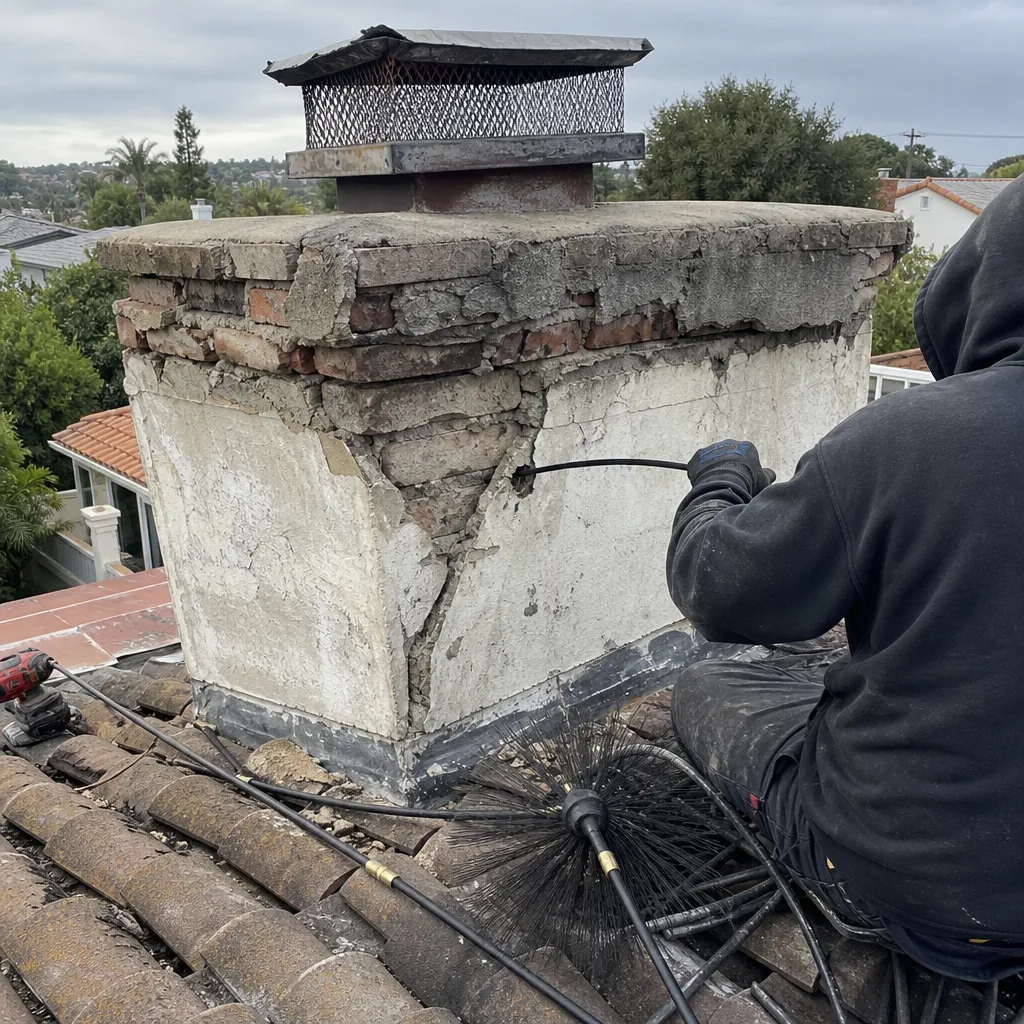 Before
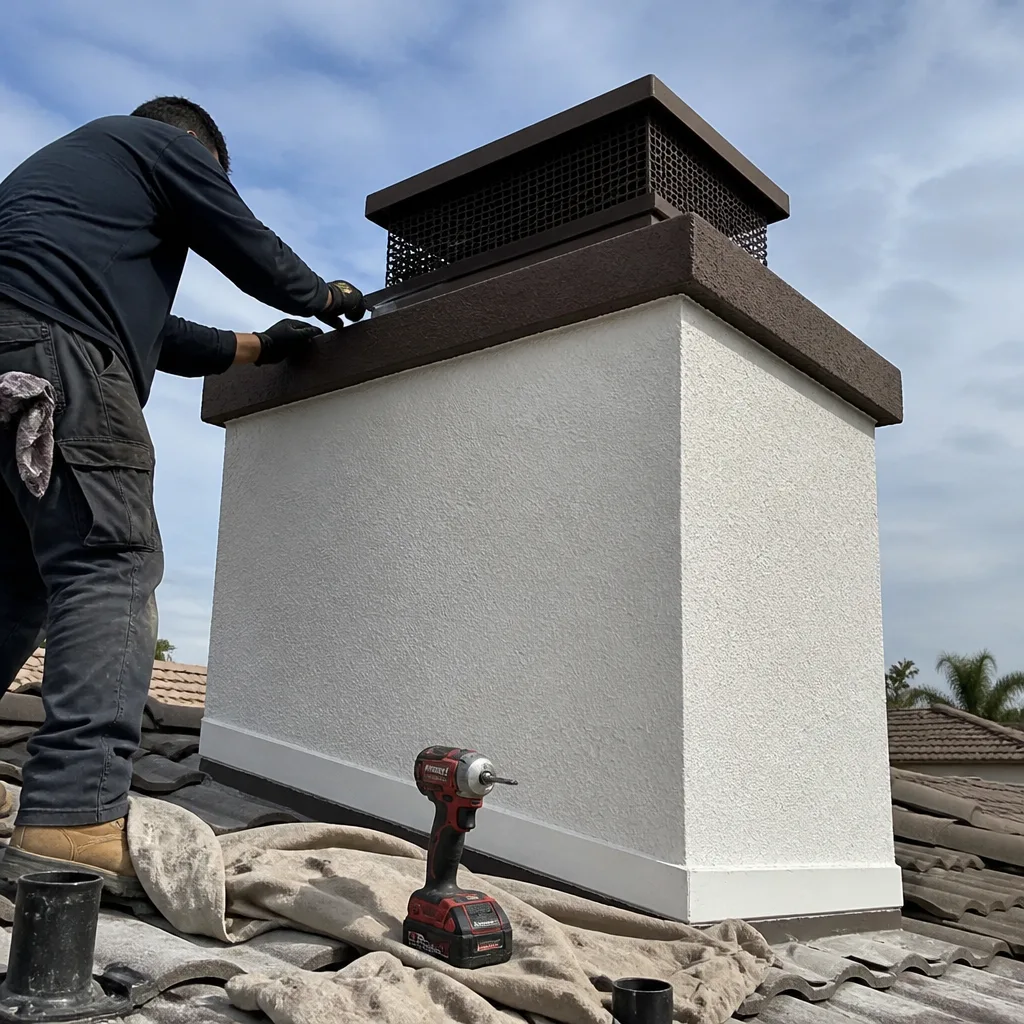 After
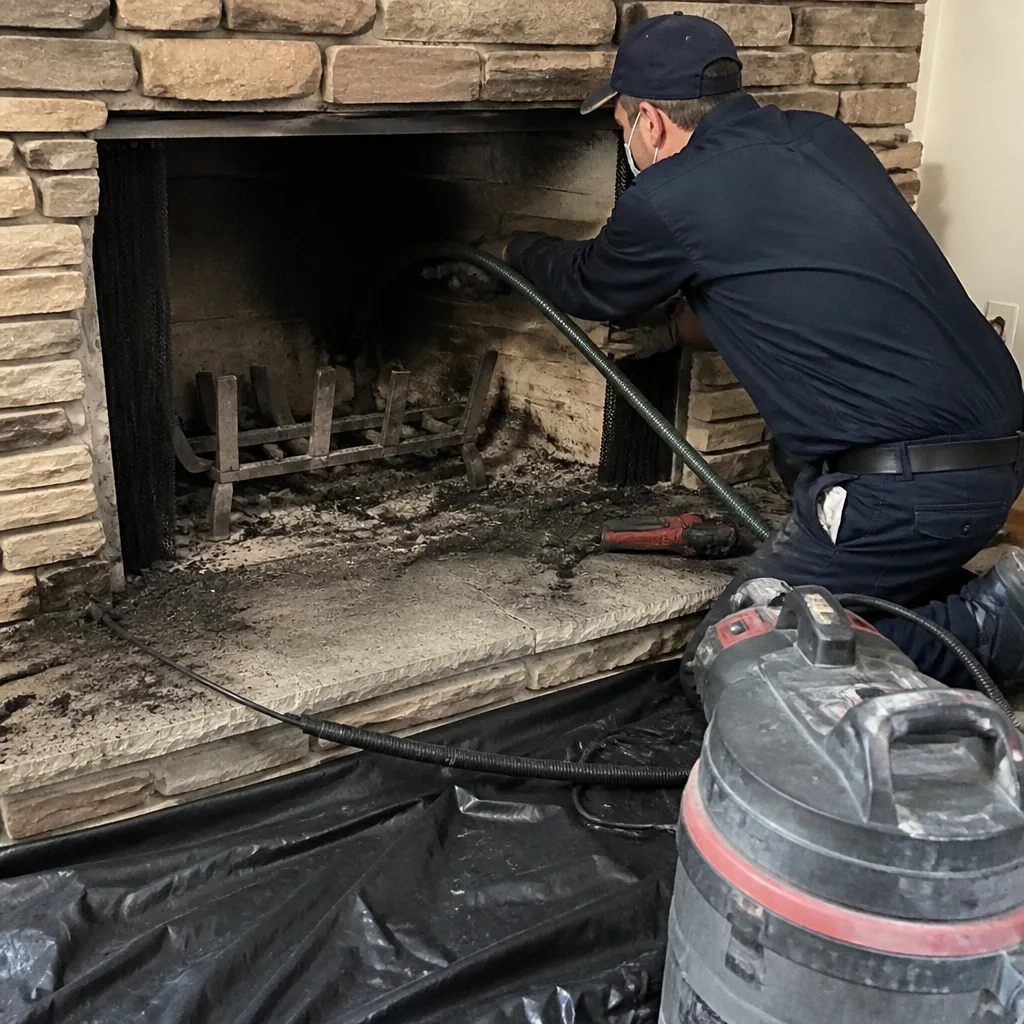 Before
 After
 Before
 After